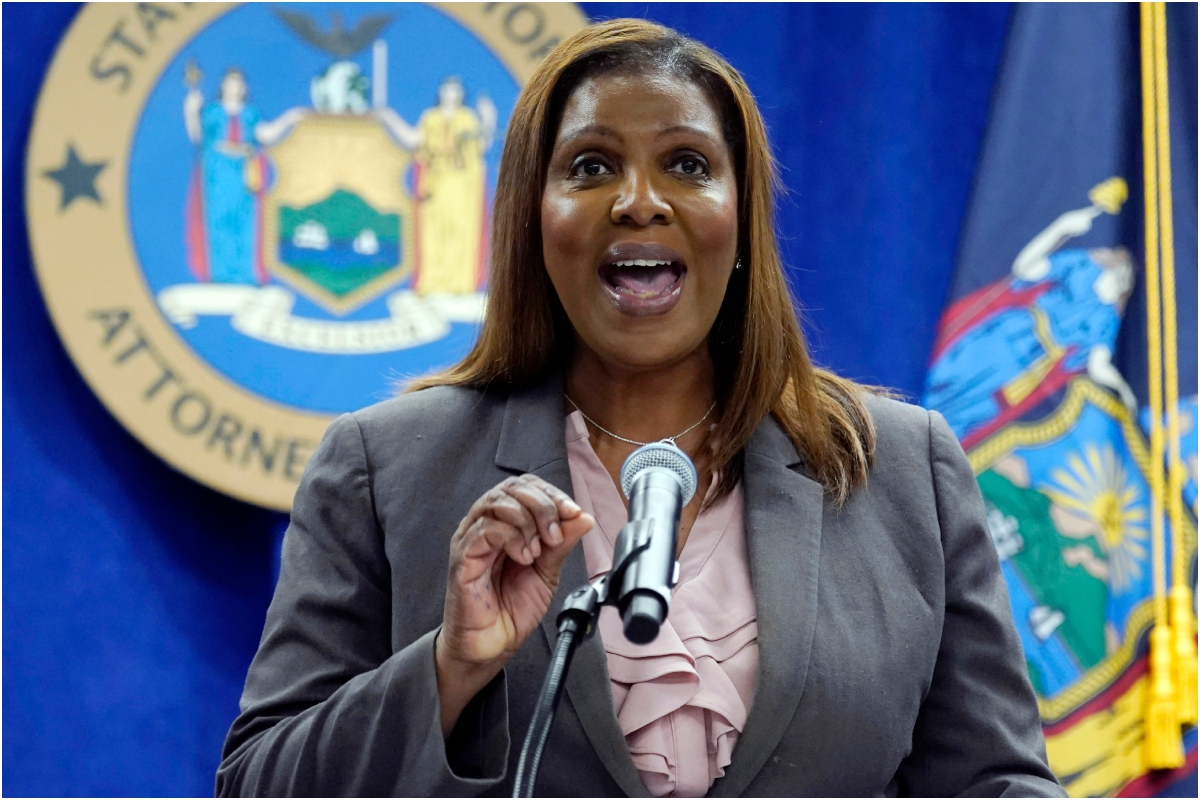
Federal prosecutors have opened a new criminal investigation into New York Attorney General Letitia James’ financial transactions, focusing on payments and other dealings involving her longtime hairdresser, according to Reuters and CBS News.
The early-stage inquiry is the latest legal challenge faced by James, a prominent Democratic official and frequent political adversary of former President Donald Trump.
The Justice Department’s investigation, reported on Jan. 8, 2026, centres on James’ past financial transactions with Iyesata Marsh, her hairdresser. Sources familiar with the matter told CBS News that prosecutors are examining whether those transactions — including payments over multiple years — present any legal concerns. James herself has not been accused of any misconduct at this stage, and officials have not publicly disclosed evidence of wrongdoing.
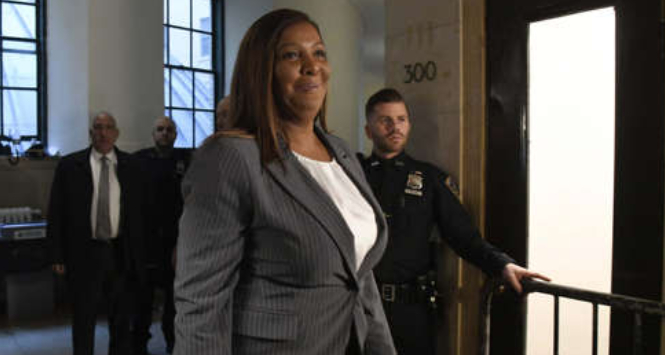
The new probe comes against the backdrop of a broader pattern of federal scrutiny of James. In 2025, she faced federal mortgage fraud charges in Virginia, which were dismissed after a judge ruled the U.S. attorney who brought the case was unlawfully appointed.
Prosecutors later sought new indictments, but two grand juries declined to indict her. James’ legal team has consistently denied all wrongdoing, calling earlier prosecutions politically motivated — retaliation for her civil fraud case against Trump that resulted in a multibillion-dollar judgment.
The current investigation, described as being in its early stages, could expand to examine campaign finances if prosecutors determine that any funds or transactions related to Marsh were improperly handled. Marsh was recently indicted in an unrelated identity-theft case in Louisiana. At least one source said federal authorities are interested in any connections between Marsh’s legal troubles and James’ financial records.
James’ lawyer has framed the investigation as politically motivated, arguing it reflects the Trump administration’s ongoing efforts to target a high-profile critic.
Legal experts note that federal probes of state attorneys general are rare, especially those involving campaign associates.
As the inquiry unfolds, observers say it could become a flashpoint in the increasingly fraught relationship between state and federal authorities over political prosecutions.