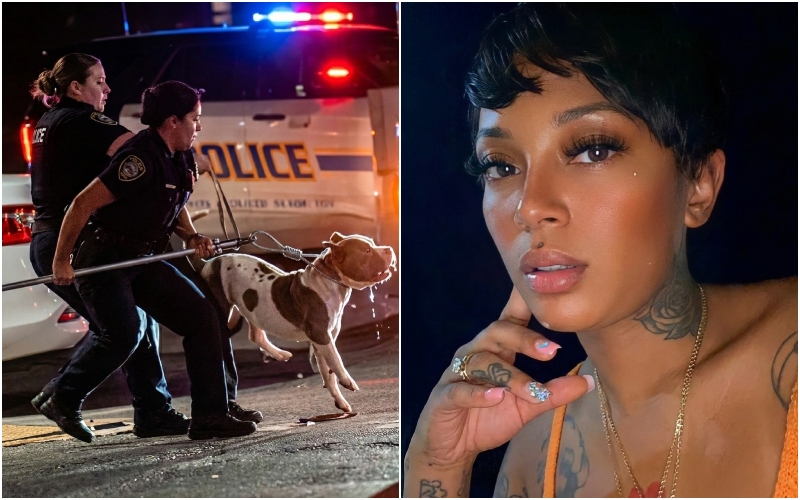
What began as a quiet evening inside a North Side apartment ended in tragedy earlier this year when 32-year-old Simone Lyke was fatally injured by a pit bull kept in the home.
Police say the incident occurred late on July 23 at the Lennox Apartment Complex, where Lyke and a friend were inside the unit when the dog suddenly became aggressive.
Lyke reportedly attempted to move the animal away from her guest, but the dog turned on her. A neighbor eventually called 911.

Lyke was rushed to University Hospital with extensive injuries. She remained in critical condition for days before passing away on July 27, a date that would have been her 32nd birthday.
Animal Care Services later took custody of the dog and euthanized it after the investigation. Officials say the animal’s co-owner is now facing multiple citations, including failure to vaccinate and microchip the dog.
Family members say the pit bull did not belong to Lyke but to her boyfriend. A cousin, posting online, also claimed that Lyke had been left alone in the apartment during the attack — a detail police have not publicly confirmed but one that has deepened the family’s grief.
A Community in Shock — and a National Question That Won’t Go Away

Lyke’s death is the latest in a series of high-profile dog attacks — rare but emotionally charged incidents that often reignite a longstanding national debate: Should certain dog breeds be restricted or banned?
Cities from Denver to Miami have spent years wrestling with “breed-specific legislation,” which aims to regulate or prohibit ownership of breeds perceived as high-risk.
Critics argue such policies unfairly target certain dogs and that irresponsible ownership is the underlying issue. Advocates for stricter rules counter that public safety should outweigh everything else.
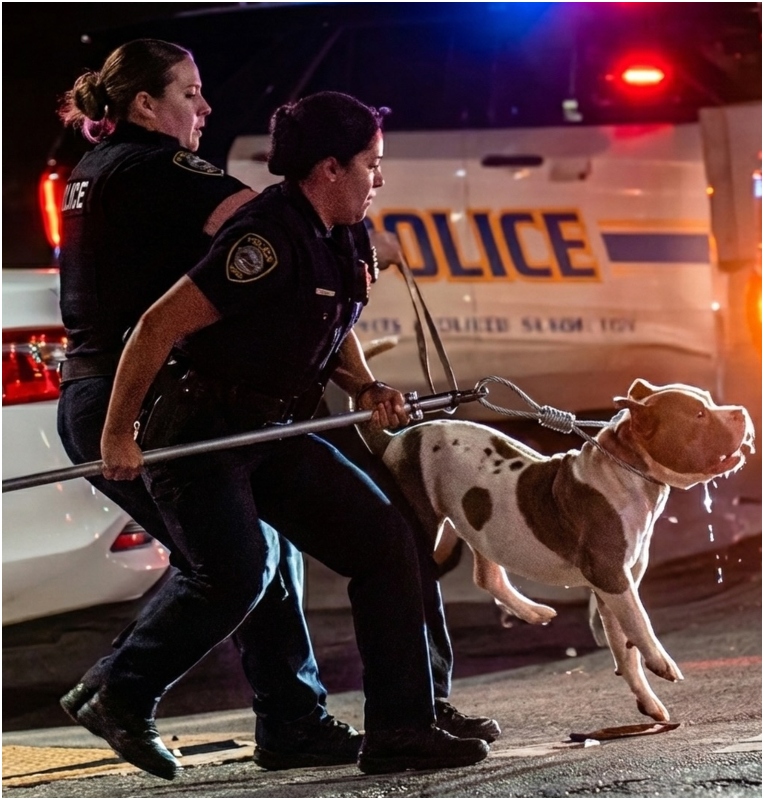
San Antonio officials have not announced any push for new laws, but Lyke’s death has added urgency to conversations happening nationwide. For families like hers, the loss is not an abstract policy question — it’s a life forever changed.
“She didn’t deserve this,” a relative wrote. “We just want people to understand how serious this can be.”
As Lyke’s family prepares for life without her, community members say they hope her story sparks a deeper conversation about prevention, responsibility, and whether current laws truly protect the public.