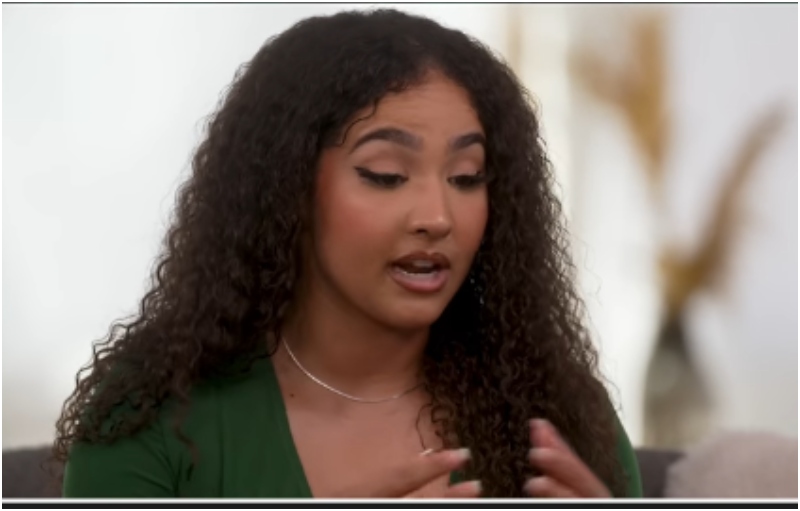
Demetria Obilor, the radiant television news reporter whose response to a viral body shaming incident also went viral, has once again addressed the incident.
This time, the confident woman is reflecting on its deeper implications during an interview with One54 Africa.
Obilor rose to international prominence after an online troll criticized her appearance during a television broadcast, describing her as a “size 16 or 18 woman in a size six dress” and calling her look “ridiculous.”
Though the original comment was later deleted, screenshots circulated widely on social media, triggering an outpouring of support and renewed debate about body shaming, racism, and representation in the media.
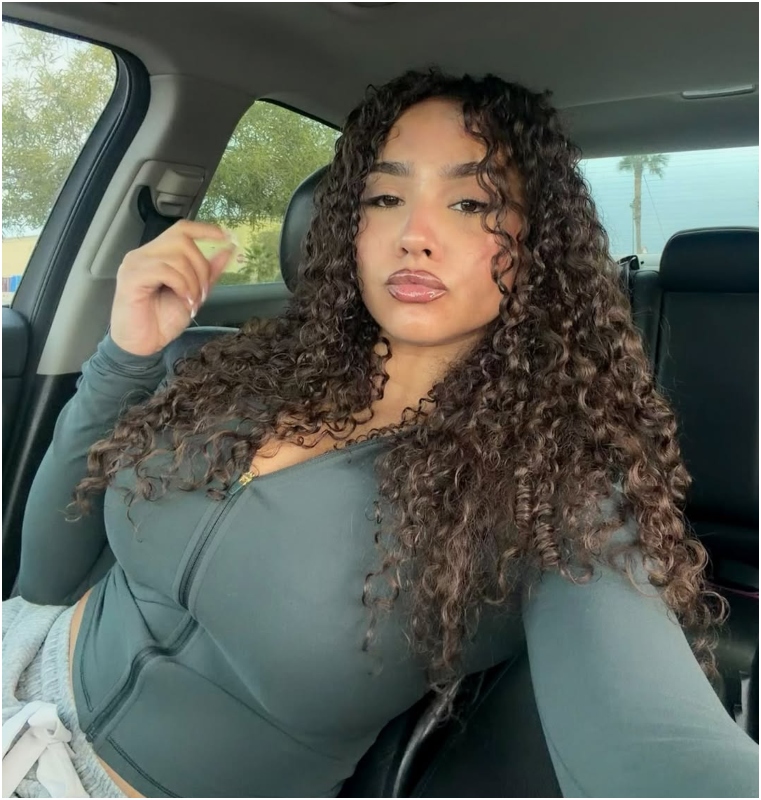
Speaking candidly in the interview, Obilor said the comment itself did not affect her personally, crediting her upbringing for giving her resilience.
“Words really don’t hurt me,” she said. “I’m really from that generation—sticks and stones. You can’t even touch me like that.”
However, she stressed that her concern went beyond herself. Obilor explained that while she had developed a “tough skin” growing up, many young girls and viewers might not have the same emotional armor.
“There might be children or young girls who are my size and think, ‘Oh, so I’m not good enough,’” she noted. “That’s where it gets me.”
Obilor also spoke about her early career experiences, recalling how viewers once complained about her natural curly hair, making racially charged remarks about its appearance and cleanliness. She said such comments reflect broader societal discomfort with bodies and identities that fall outside narrow, traditional standards—particularly when it comes to women of color.
The journalist further highlighted what she described as a persistent double standard in media. According to Obilor, outfits deemed acceptable on slimmer figures are often labeled “inappropriate” when worn by curvier women.
“Because I’m fuller, all of a sudden it becomes severely inappropriate,” she said, adding that curvier women are frequently and unfairly sexualized.
Despite attempts by critics—and even colleagues—to undermine her career, Obilor said the overwhelming public solidarity mattered far more than the negativity. She credited the support of viewers and public figures, including musician Chance the Rapper, for turning the moment into one of empowerment rather than harm.
Ultimately, Obilor said she continues to speak out not to shame her critics, but to challenge perceptions and affirm self-worth for those watching.
“It’s okay to stand in who you are and know that it is good enough,” she said.
The incident remains a touchstone in ongoing conversations about online harassment, media representation, and the pressures faced by women—especially women of color—in public-facing roles.