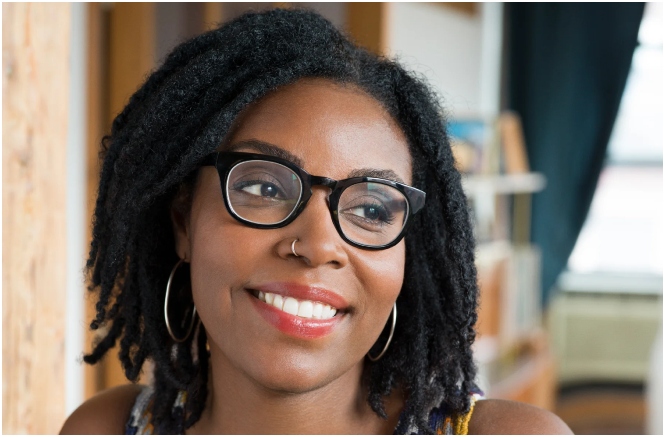
Reniqua Allen-Lamphere, an award-winning journalist, television producer, and two-time rainbow mom, has transformed her personal journey of infertility into a resource for women of color.
She recently launched Oshun Griot, a wellness app designed to provide culturally grounded support for those navigating reproductive health challenges.
The app was born out of Allen-Lamphere’s own struggles with fibroids, endometriosis, miscarriages, and fertility treatments, which ultimately led to the births of her two children in her early 40s. Often referred to as rainbow babies—children born after pregnancy loss—her son George and daughter Charlie became the inspiration behind a platform she wished had existed during her own journey.
Tackling a Silent Struggle
Black women disproportionately face reproductive health challenges. Studies show they are two to three times more likely than white women to develop fibroids, often at a younger age and with more severe symptoms. These conditions, combined with higher rates of hysterectomy and medical bias in healthcare, make infertility an under-addressed crisis in Black communities.
Allen-Lamphere recalled being prescribed birth control at a young age without answers for her severe symptoms. She underwent a myomectomy in her 20s, only to be diagnosed later with endometriosis—conditions that directly impacted her ability to conceive. “I felt like my uterus had long been broken,” she has said, describing the isolation she experienced.
A Platform Rooted in Culture and Storytelling

Oshun Griot fills a critical gap by combining medical insight with cultural traditions and lived experiences. The name pays homage to Oshun, the Yoruba goddess of fertility and love, and to African griots, traditional storytellers who preserve community histories. The app offers:
- Expert directories on fertility and reproductive health
- Guided meditations, yoga, and affirmations
- Personal stories from people of color facing infertility
- Wellness trackers and Q&A resources on topics like fibroids, IVF, and medical bias
By centering Black voices in fertility conversations, Oshun Griot empowers users to reclaim narratives often ignored in mainstream health spaces. “For too long, the story of how we build our families has been in the hands of other people,” Allen-Lamphere said.
Infertility in a Shifting Landscape
The app also arrives during a politically uncertain moment for reproductive healthcare access in the U.S. With 1 in 6 American families experiencing infertility, Allen-Lamphere hopes Oshun Griot becomes a safe haven for women of color seeking knowledge, healing, and community.
“Black children are centrally important,” she stressed, “but so is the story of how we bring them into the world.”