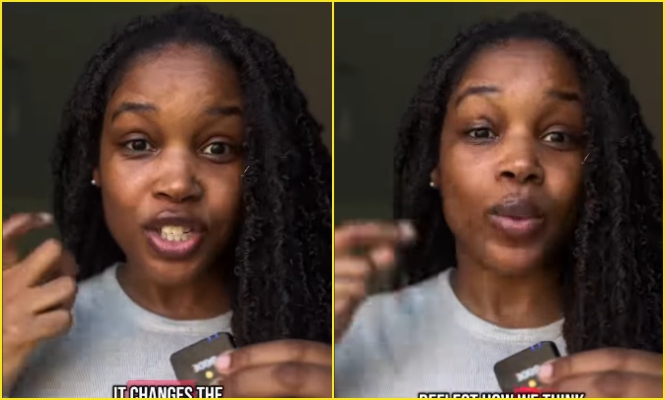
Filmmaker and content creator Romantha Botha (@therealroman) has shared an insightful post on the little-known concept of linguistic erosion — the slow disappearance and dilution of language in the digital age.
In the Instagram post, Botha said she decided to share the clip after someone asked why she used the phrase “Is Not Real” in a previous post. The clip, originally created for TikTok, dives deep into how social media algorithms, public discomfort, and surveillance capitalism are reshaping how people communicate, often without realizing it.
“Yes, I’m a filmmaker,” Botha begins in the viral clip, “but I have a degree in language practice, which means I was trained to look at how language works, how it changes, and what happens when it disappears. And right now, it’s disappearing faster than we realize.”
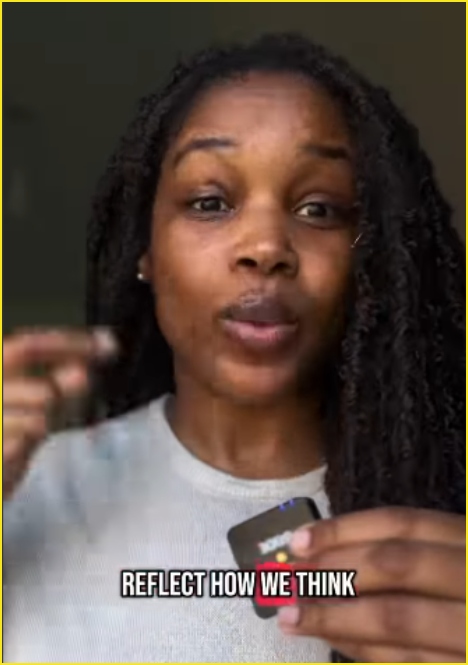
Botha argues that platforms like TikTok, YouTube, and Instagram have made users increasingly cautious about the words they use. Phrases such as “unalive” or “SA” (a euphemism for sexual assault) have replaced direct language, not because of cultural politeness, but because algorithms suppress posts that include sensitive or “flagged” words.
The result, Botha explains, is what linguists might call a soft censorship, an automated filtering of expression that shapes how entire generations think, feel, and respond.
“Language doesn’t just reflect how we think,” she says. “It shapes how we think. When you change the way you say something, it changes how you feel about the thing itself.”
Drawing parallels to George Orwell’s 1984 and historical examples like colonial education policies that banned indigenous languages, Botha describes this erosion as a modern extension of linguistic control, but with a digital twist. Instead of governments banning words, algorithms quietly downgrade or hide them, forcing creators to self-censor.
Her examples are chillingly familiar:
- “Cultural mismatch” replaces “fired.”
- “Neutralize the threat” replaces “kill.”
- “Limiting beliefs” replaces “trauma.”
Botha warns that this softening of language comes at a cost.
“When you erase a word, you erase the thought, and eventually the possibility of that thought,” she explains.
Her post has drawn praise from followers who say her perspective gives a name to what many creators and communicators have long felt: that modern platforms are subtly training users to avoid certain truths.
“By doing this, we’re not just avoiding discomfort,” Botha concludes. “We’re avoiding the truth. Language is how we express, it’s how we mourn, it’s how we remember. And when you censor, sanitize, and erase too much, we risk becoming numb to the things that should make us act — because what you can’t name, you can’t fight.”
The filmmaker says she plans to create a series on “Surveillance Capitalism” and its effects on speech and creativity, exploring how economic incentives and algorithmic design are reshaping communication and collective thought.
Botha’s thought-provoking analysis is quickly gaining traction across social media.