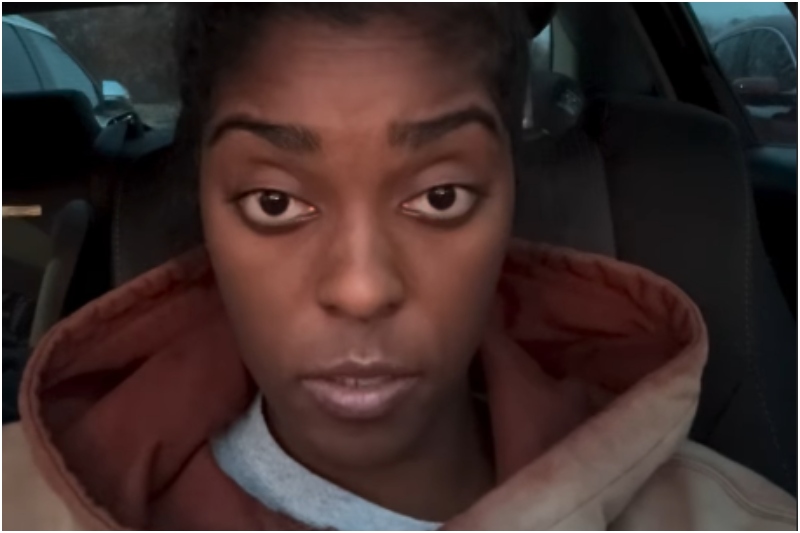
Popular content creator @OhThatsElle has sparked renewed debate online over the portrayal of Black communities in mainstream television.
She is arguing that today’s programming lacks the positive, aspirational representation that was common in the 1990s.
In a widely shared Instagram video, the creator questioned why it has become difficult to find television shows that depict Black families, professionals, and communities in a positive and balanced light.
“Why is it that I can’t turn on the TV and find not one single show that portrays my community in a positive way?” she asked, contrasting current programming with earlier eras that featured shows such as Martin, Living Single, Sister, Sister, A Different World, and The Cosby Show.
According to her, those programmes offered more than entertainment—they presented Black characters as doctors, college students, police officers, and stable family figures, reinforcing a sense of possibility for young viewers.
“You could see it and say, ‘I can go be that if I want to,’” she said.
Shift Toward Stereotypes
@OhThatsElle acknowledged the popularity and production quality of modern franchises such as the Power series but criticised what she described as an overreliance on narratives centred on crime, violence, and dysfunction.
“In all of them, we’re drug dealers and murderers,” she said, adding that such portrayals dominate scripted television alongside reality shows that often focus on conflict and interpersonal drama.
She argued that the absence of shows depicting thriving two-parent households or everyday professional life leaves young Black viewers—especially girls—with limited positive role models on screen.
Cultural Impact Beyond Entertainment
The creator also expressed concern about the long-term cultural effects of these portrayals, suggesting that constant exposure to negative stereotypes shapes how Black communities are viewed both internally and globally.
“We even had cartoons like The Proud Family,” she noted, pointing out that children’s programming once played a role in reinforcing positive identity and community values.
Her comments are gaining traction online, with many social media users echoing her nostalgia for 1990s-era television and calling on networks and streaming platforms to invest in more diverse and uplifting Black-led stories.
A Broader Conversation
The discussion comes amid ongoing global debates about diversity, representation, and responsibility in media, particularly as streaming services increasingly shape viewing habits worldwide, including in Africa and the diaspora.
While critics argue that modern television simply reflects complex social realities, voices like @OhThatsElle’s highlight growing frustration over what some see as a narrow and damaging portrayal of Black life.
The content creator’s message underscores a familiar question in media studies: not just who gets represented on screen—but how, and to what effect.