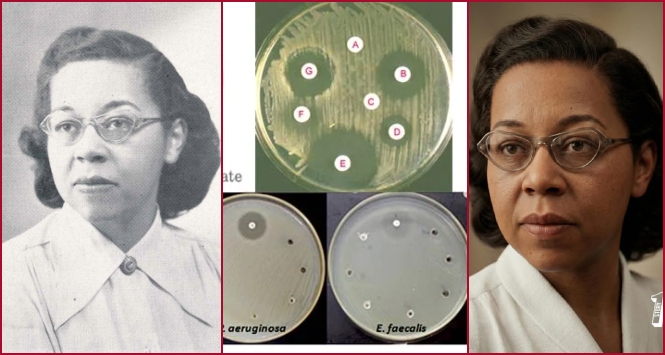
Every day in hospitals across the world, doctors rely on a lab test that determines which antibiotic can stop a deadly infection.
That life-saving tool — still considered the global gold standard — exists in part because of a quiet scientific breakthrough made by Black American bacteriologist Jane Hinton in the 1940s.
Her invention, known as Mueller-Hinton agar, remains one of the most widely used diagnostic tools in modern medicine.
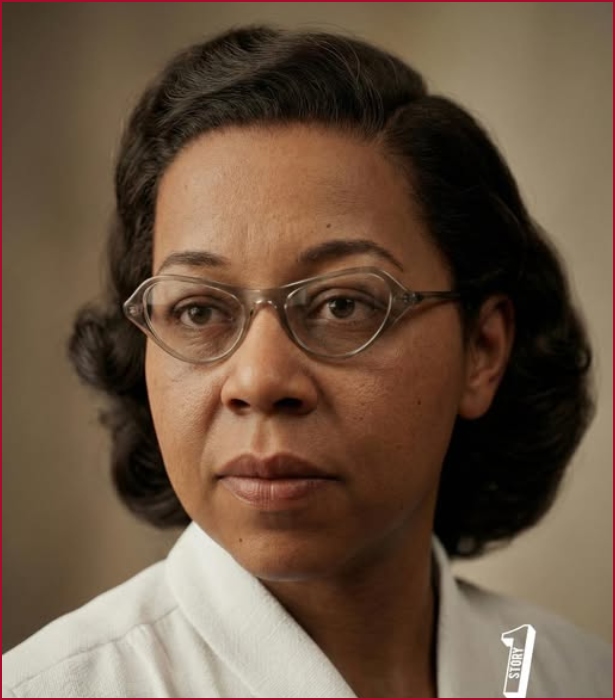
A Wartime Discovery That Changed Medicine
During World War II, Hinton worked as a laboratory technician at Harvard University, where she collaborated with microbiologist John Howard Mueller to solve a major problem: doctors had no reliable way to test which antibiotics would work against specific bacteria.
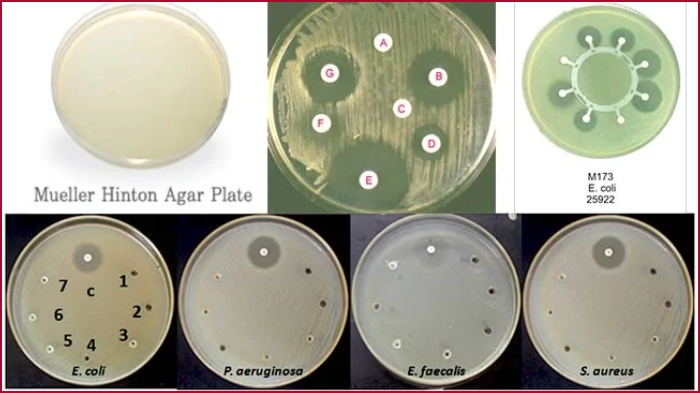
Their solution — a starch-based culture medium — allowed scientists to grow bacteria and observe how they reacted to drugs.
According to the Centers for Disease Control and Prevention, Mueller-Hinton agar is still the standard medium used worldwide for antimicrobial susceptibility testing, helping physicians choose the right treatments for infections.
The World Health Organization also recognizes the test as a key tool in monitoring antibiotic resistance — one of the most urgent global health threats today.
Why Her Invention Still Matters
Medical researchers say the method Hinton helped develop is essential because it:
- Determines which antibiotics will actually work
- Prevents ineffective treatments
- Helps detect drug-resistant bacteria
- Guides global surveillance of infectious diseases
Without it, doctors would often have to rely on trial and error — a process that can delay treatment and cost lives.
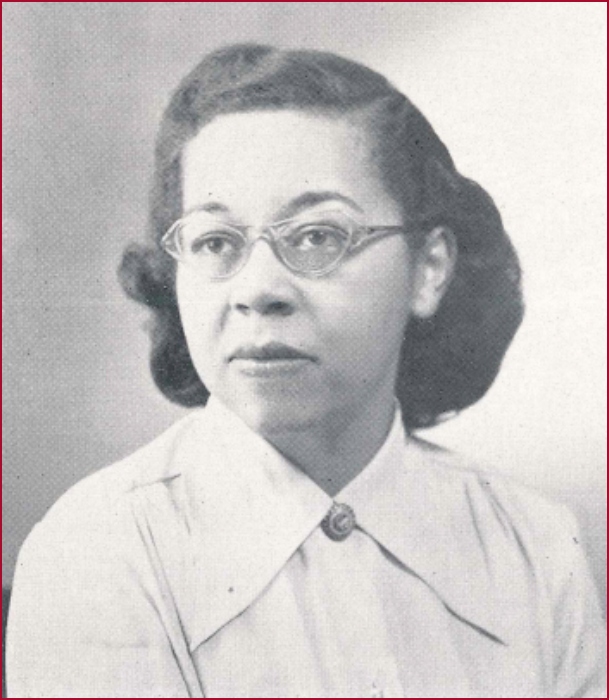
Breaking Barriers in Science and Veterinary Medicine
Hinton, born in 1919, was the daughter of pioneering bacteriologist William Augustus Hinton, the first Black professor at Harvard.
After her lab breakthrough, she made history again in 1949 when she became one of the first Black women in the U.S. to earn a Doctor of Veterinary Medicine degree from the University of Pennsylvania.
She later worked at the U.S. Department of Agriculture, focusing on livestock diseases and food safety — extending her impact beyond human medicine.
A Legacy Hidden in Everyday Science
Despite her global impact, historians say Jane Hinton’s name is still far less known than her invention.
Yet today, nearly every hospital microbiology lab still relies on the diagnostic system she helped create — proof that her contribution remains embedded in modern healthcare.
As public health experts emphasize (CDC, WHO, clinical microbiology standards bodies), the ability to test antibiotic effectiveness quickly is one of the most important defenses against infectious disease.
And that capability exists, in part, because of Jane Hinton.