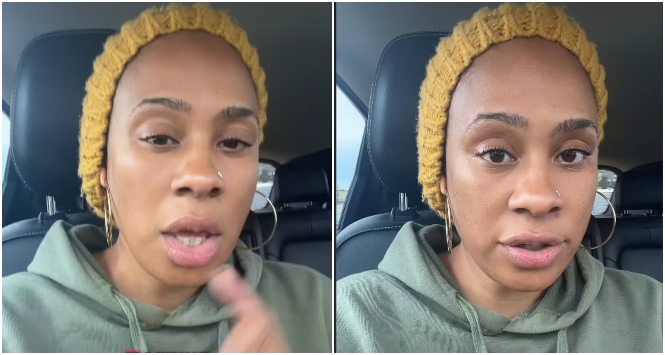
Women who decide to leave their marriages are often carrying years of emotional exhaustion, loneliness and unresolved pain long before they ever speak about divorce publicly, according to relationship commentator Siobhan J. Middleton.
In a provocative Instagram video, Middleton challenged the common social instinct to persuade women to remain in marriages based on appearances, reputation or the husband’s perceived character.
“Stop trying to convince women to stay in marriages that are unhealthy, that they are unhappy in,” Middleton said. “That’s not fair.”
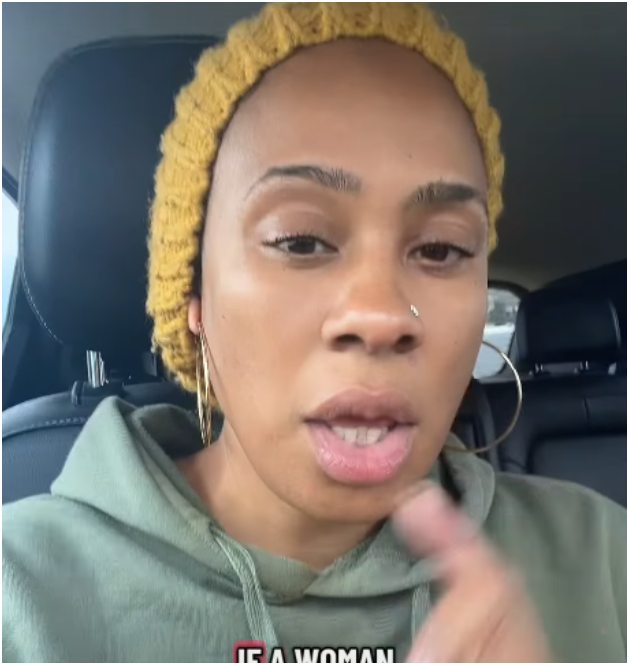
Middleton, who describes her platform as helping women “unlearn the good girl conditioning,” pointed out that divorce is not an impulsive decision, but as the culmination of long-term emotional strain many women quietly endure.
“A woman doesn’t randomly wake up and decide she wants a divorce,” she wrote in the accompanying post. “Most women have been carrying pain, loneliness, disappointment, or emotional exhaustion for years before they ever say it out loud.”
In the video, Middleton argued that outsiders often minimize women’s experiences because they view the husband through a different lens, as a good father, provider or socially respected man, without understanding what may be happening privately inside the relationship.
“He may not be good for her,” Middleton said. “And trust that woman that she is expressing that for a reason.”
Her comments touched on a broader cultural debate surrounding marriage expectations, emotional labor and the pressure some women say they face to preserve relationships at the expense of their own mental and emotional well-being.
Middleton also criticized what she described as society’s tendency to support the institution of marriage over the emotional realities experienced by women inside those unions.
“If you don’t know what to say, don’t say anything at all,” she added. “Just be there as a support system.”
The video generated strong reactions online, with supporters praising Middleton for validating women who feel unseen or unheard in struggling relationships.
Others argued that social media discussions about divorce can sometimes oversimplify complex family dynamics.
The conversation comes amid continuing national discussions around mental health, emotional wellness and changing attitudes toward marriage and divorce, particularly among younger women who increasingly prioritize emotional fulfillment and personal stability in relationships.
Family therapists and relationship experts have long noted that emotional disconnection, unresolved conflict and chronic dissatisfaction often build gradually over time before couples formally separate.
Middleton’s message resonated with many viewers because it focused less on divorce itself and more on the importance of listening to women before dismissing their concerns.
“You have no idea what that woman is experiencing,” she said.