In 2026, self-care for Black women is no longer about indulgence or aesthetic trends, it is about maintenance, preservation, and sustainability.
Against the backdrop of rising burnout, economic pressure, and cultural visibility, beauty routines have evolved into essential systems of care that support mental health, physical wellness, and emotional balance.
For Black women in particular, prioritizing self-care is not frivolous; it is foundational.
For decades, Black women have been conditioned to overextend, at work, at home, and within their communities, often at the expense of their own well-being. The “strong Black woman” narrative has glorified endurance while quietly discouraging rest. In 2026, that mindset is being actively dismantled. Beauty routines, once dismissed as vanity, are now understood as rituals that create boundaries, offer regulation, and restore agency.
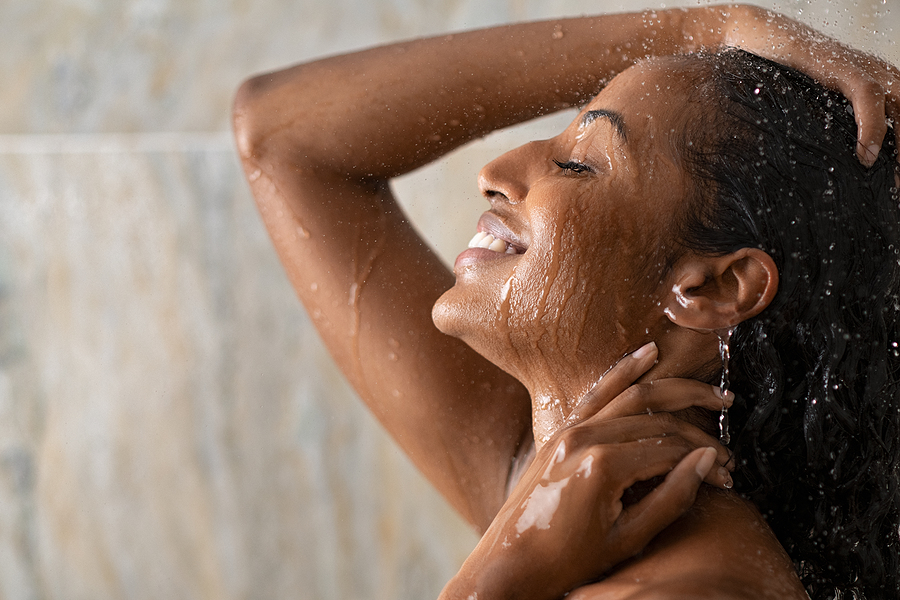
Skin care, hair care, and body maintenance have become acts of attentiveness rather than performance. Consistent routines help manage stress-related skin conditions, hormonal shifts, and scalp health issues that are exacerbated by lack of rest and chronic stress. More importantly, these routines encourage mindfulness, a daily check-in that asks, “What do I need today?” rather than “What do I need to push through?”
The beauty industry has also shifted in response. Brands are moving beyond quick fixes and miracle claims, leaning into longevity, barrier repair, and holistic care. Black women are driving this change, demanding products and practices that respect melanin-rich skin, textured hair, and culturally specific needs. In 2026, maintenance-focused beauty prioritizes protection, nourishment, and consistency over constant reinvention.
Self-care has also become a political and economic statement. Choosing to rest, invest in personal care, and protect one’s energy challenges systems that benefit from Black women’s exhaustion. It reframes beauty as a tool of self-definition rather than external validation. A weekly wash day, a nighttime skin ritual, or a quiet morning routine becomes a declaration: my well-being is not optional.
Ultimately, beauty as maintenance recognizes that Black women deserve to feel good without justification. Prioritizing self-care in 2026 is about staying well, staying present, and staying whole. It is not a luxury reserved for spare time or special occasions, it is the infrastructure that allows Black women to thrive.