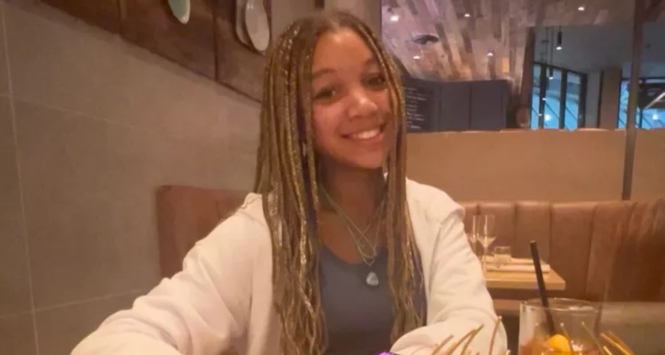
A 16-year-old Black teen from Concord, North Carolina, says she was sent home from her job at a Chick-fil-A after a supervisor told her that her blond box braids were “unnatural” for her.
The incident has sparked debate about hair discrimination and bias in the workplace.
Autumn Williams, who started working at the restaurant in May 2023, said she had worn the same brownish-blond braids during orientation without issue. The only rule mentioned at the time, she said, was that employees should tie their hair back neatly while working.
But on July 13, things changed. While Williams was working the front counter, a manager asked to speak with her privately.
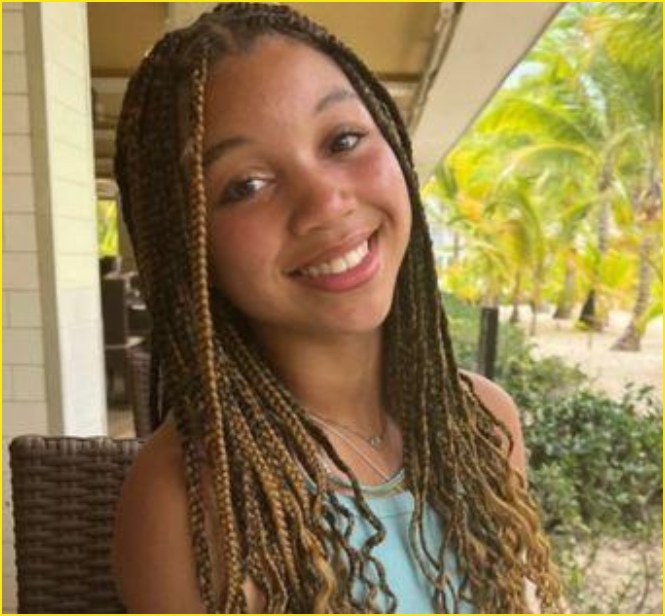
According to Williams, the manager explained that a supervisor had noticed her blond braids and decided the color violated Chick-fil-A’s grooming policy.
“I was told to take the blond out of my hair and come back when it was gone,” she said. “It made me feel like there was something wrong with me and my appearance.”
Embarrassed and frustrated, Williams called her mother, Nina Burch, to pick her up. When Burch arrived, she asked to speak with someone in charge but said she was only given the supervisor’s phone number. When she called, the supervisor reportedly refused to elaborate and told her to “check the employee handbook.”
That handbook stated that “unnatural hair colors or eccentric styles” were not permitted, a rule Burch said she understood to apply to bright, obviously artificial colors like pink or green, not natural shades of blond.
Williams ultimately decided to quit her job, saying she no longer felt comfortable working there. But on Aug. 1, after the story began to gain attention online, the store’s owner reached out to apologize.
The owner reportedly told her the situation had been a “misunderstanding” and invited her to return to work. Chick-fil-A later confirmed that Williams had not been terminated, calling the situation a “learning opportunity” for staff.
Still, the damage had been done. Williams’ mother has since filed a complaint with the Equal Employment Opportunity Commission (EEOC) to explore whether her daughter’s experience constitutes racial discrimination under workplace protections.
The incident highlights a growing conversation around hair discrimination in the U.S., especially for Black women and girls. Several states, including California and North Carolina, have enacted or are considering CROWN Act legislation, which prohibits employers and schools from penalizing people for natural hairstyles such as braids, locs, and twists.
For Williams, the experience was a painful lesson in how bias can manifest in subtle ways.
“I just want people to understand that no one should tell you what you are based on your appearance,” she said.