A new American University poll reveals a stark generational divide in attitudes toward electing a woman president — with voters under 50 emerging as the least open to the idea. The survey, shared exclusively with POLITICO, found that four in 10 Americans personally know someone who would not vote for a female presidential candidate.
The national poll of 801 registered voters, conducted last month by the university’s Women and Politics Institute, paints a nuanced picture of progress and persistent bias. While most respondents support electing more women and believe government functions better when women are in office, many still express doubts about women’s ability to lead at the highest level. The poll carries a 3.5-point margin of error.
Nearly one in five voters admitted that they or someone close to them would not support a woman for president. Among voters under 50, the numbers are even more striking: one-quarter of women and 20 percent of men in that age group said they would not back a qualified female candidate. By contrast, only 13 percent of voters over 50 said the same.
“This survey reveals a powerful paradox,” said Viva de Vicq, the poll’s lead researcher. “Voters trust women on the issues that matter most and want to see more women in office. Yet when it comes to the presidency, bias and narrow expectations resurface.”
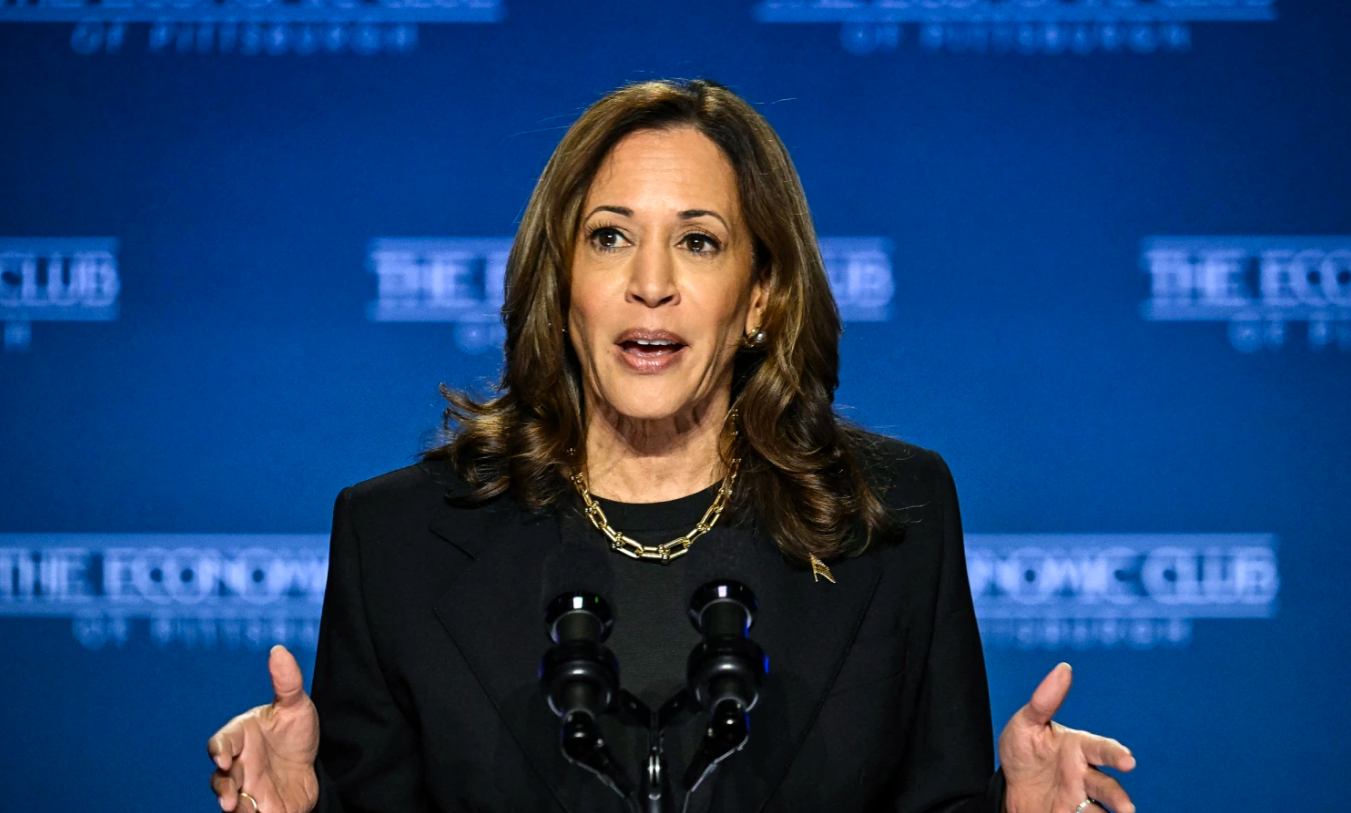
The findings come nearly a year after Kamala Harris’s failed presidential bid, which continues to shape perceptions of female electability. More than 40 percent of independent voters said Harris’s loss made it harder for future women to run, echoing post-election pessimism among Democrats after Harris lost to Donald Trump by a wider margin than Hillary Clinton did in 2016.
The survey also underscored how cultural and economic factors feed into political bias. Respondents cited the “old boys’ club” nature of national politics and persistent negative media portrayals as major deterrents for women candidates. Many younger voters said they see politics as “toxic” or “hostile,” discouraging talented women from seeking high office.
Economic confidence among women has also dipped since 2024 — especially among those under 50, where pessimism about the economy jumped 15 points. Researchers suggested that economic insecurity and political fatigue could be dampening enthusiasm for historic firsts.
Experts say the data points to a generational contradiction: younger Americans are often viewed as more progressive, yet they appear more skeptical about women breaking the ultimate glass ceiling. “It’s not that younger voters are anti-woman,” said de Vicq. “It’s that they’ve grown up in an era of hyperpolarization and media cynicism. They’ve seen female candidates attacked and defeated, and it’s made them doubt what’s possible.”
Still, the poll found reasons for optimism. Two-thirds of respondents said they would support more efforts to recruit women into politics, and a majority believe the U.S. will elect a female president within the next 20 years. But as de Vicq noted, “Belief in progress is not the same as commitment to it.”