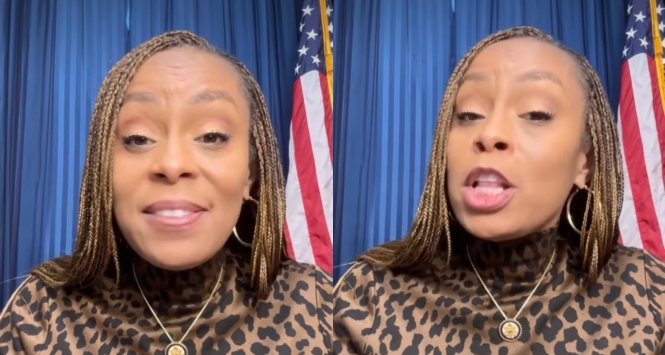
U.S. Rep. Shontel Brown is raising alarm over what she describes as a growing threat to Americans’ privacy.
She has revealed that federal immigration authorities have now acquired powerful new surveillance technology capable of collecting cellphone data across entire neighborhoods.
In a public statement and accompanying video posted online, the Ohio Democrat accused U.S. Immigration and Customs Enforcement and the Department of Homeland Security of pushing the country toward what she called a “mass surveillance state.”
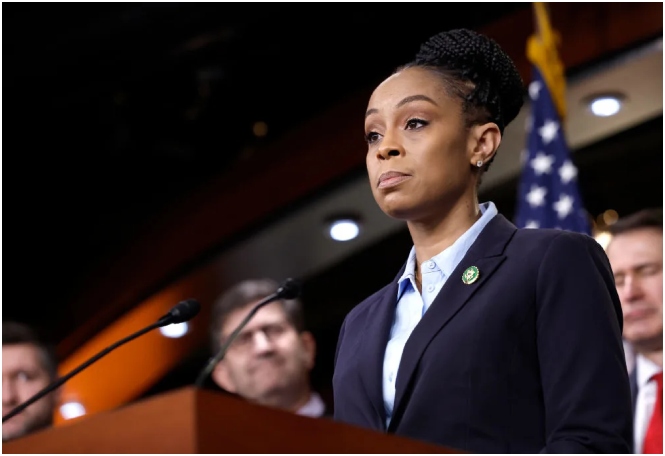
Concerns Over Broad Data Collection
Brown said the newly purchased technology can gather cellphone data from large geographic areas rather than targeting specific suspects.
“Families, protesters, legal observers — people just carrying on with their lives — are now being monitored,” she said. “This is not targeted law enforcement.”
She argued that such tools could potentially be used to track or intimidate individuals engaged in lawful activities, including public demonstrations and oversight of government actions.
Demand for Legal Clarity
Brown said she has led a formal congressional letter demanding answers from DHS officials about:
- The legal authority used to deploy the technology
- How collected cellphone data will be stored and used
- Safeguards to prevent misuse or warrantless tracking
“Congress must demand answers,” she said. “No matter your politics, you should not want the government tracking your every move without a warrant.”
Previous Surveillance Disputes
Brown also referenced past concerns raised in Congress about ICE’s reported use of foreign spyware tools capable of secretly accessing personal phone data.
In her remarks, she specifically questioned whether Americans could trust DHS leadership, including Secretary Kristi Noem, to handle such sensitive information responsibly.
Broader Privacy Debate
The controversy comes amid ongoing national debates over balancing law enforcement capabilities with civil liberties protections, particularly as digital surveillance technologies grow more sophisticated.
Privacy advocates have long warned that bulk data collection tools risk sweeping up information about innocent individuals, while federal agencies argue such technologies can be essential in national security and criminal investigations.
Brown said she intends to continue pressing federal agencies for transparency and oversight.
“This isn’t just about politics,” she said. “It’s about protecting Americans’ fundamental rights.”