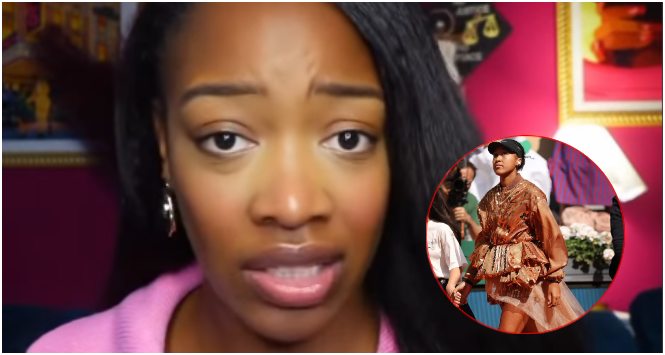
Tennis star Naomi Osaka is receiving support after facing criticism online for co-hosting a dinner celebrating Black tennis players ahead of the French Open, a gathering that attorney and commentator Nicole Robinson says highlights the importance of creating spaces where Black athletes can connect and feel supported.
In a video posted to Instagram, Robinson weighed in on the backlash surrounding the May 23 event in Paris, which Osaka co-hosted alongside fellow professional tennis player Taylor Townsend.
“Black people need safe spaces, point blank, period,” Robinson said. “We need rooms where we can exhale, we don’t have to code switch, we don’t have to perform for somebody else’s comfort.”

According to Robinson, the dinner brought together some of the sport’s most accomplished Black athletes in a game that has historically struggled with racial inclusion and representation.
Photos from the event, shared by Osaka on social media, quickly drew criticism from some online users who questioned the gathering’s focus on Black athletes.
Robinson argued that the reaction reflects broader tensions surrounding race and inclusion in the United States and beyond.
“We are living in a moment where DE&I is literally being dismantled,” she said. “Black rights are being stripped away left and right, where Black political power is under true legal threat, and where our history is constantly being erased.”
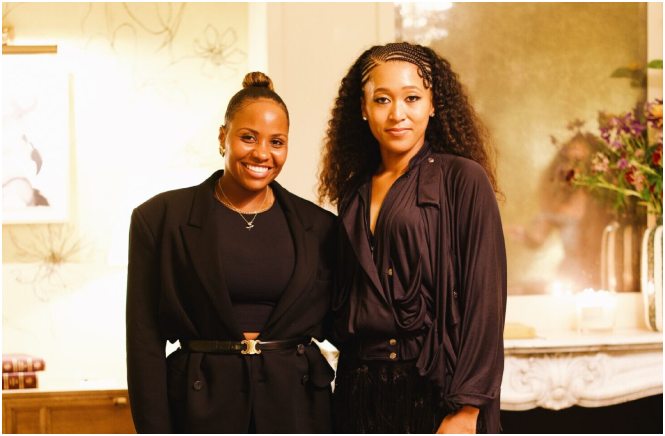
The attorney praised Osaka for refusing to apologize for celebrating Black identity and community. Referencing Osaka’s comments about witnessing discrimination against her father while growing up, Robinson said the tennis champion has every right to embrace her heritage and create opportunities for connection among athletes with shared experiences.
“In the middle of all of that, our girl Osaka created a table in a community where people that look like her, people that look like me, can come together and celebrate their Blackness,” Robinson said.
Osaka, a four-time Grand Slam champion and one of the most recognizable figures in global tennis, has frequently spoken about issues of race, identity, and social justice throughout her career. Her willingness to engage in those conversations has often made her a prominent voice beyond the sport itself.
The controversy surrounding the dinner has sparked renewed discussion online about whether affinity spaces and cultural celebrations should be viewed as exclusionary or as important forms of community building for groups that have historically faced barriers to participation and representation.
For Robinson, the answer is clear: creating environments where Black athletes can gather, celebrate, and support one another is not something that requires an apology.
“Black people need safe spaces,” she said. “We need rooms where we can exhale.”