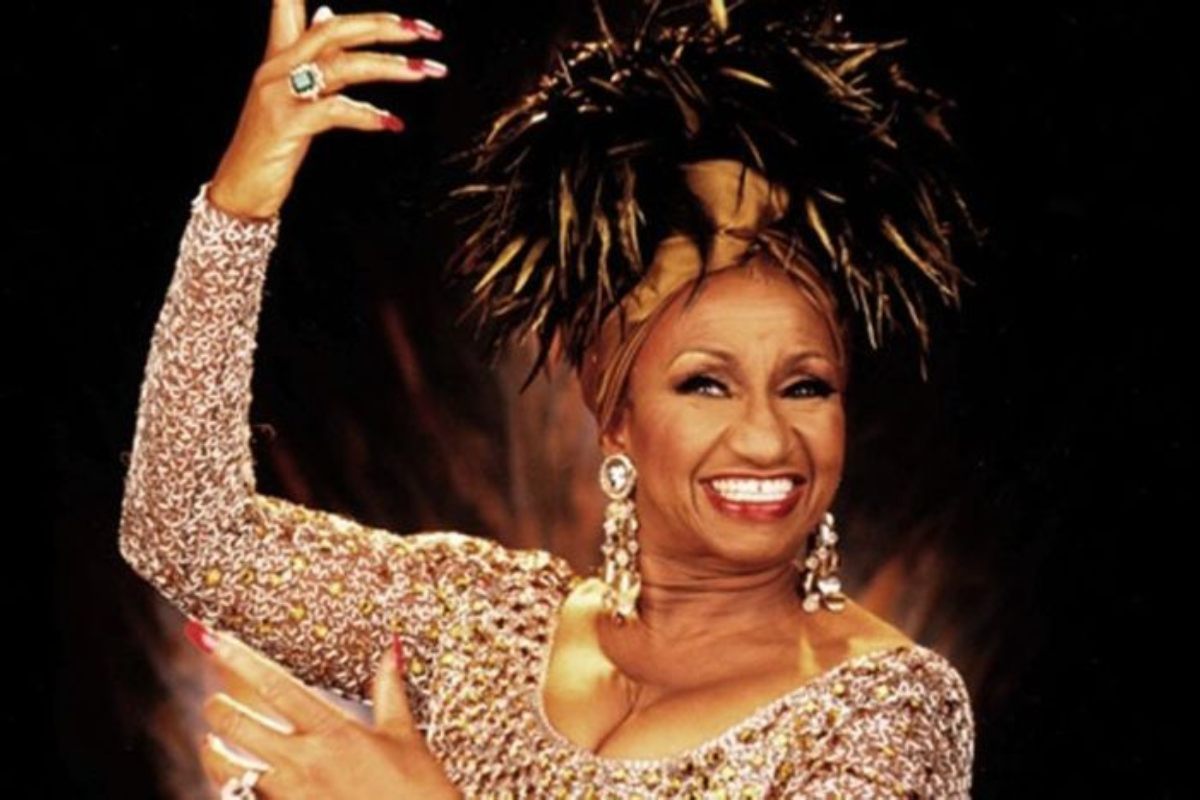
In a stirring display of unity and defiance, thousands of Cubans gathered at the Basilica of La Caridad in El Cobre to honor what would have been the 100th birthday of Celia Cruz.
Celia Cruz was the “Queen of Salsa” whose voice defined generations and whose exile from her homeland remains one of Cuba’s most enduring cultural heartbreaks.
The mass, filled with prayer, music, and quiet resistance, took place after the Cuban government abruptly canceled a state-sanctioned tribute performance that had been planned at the Cuban Art Factory (Fábrica de Arte Cubano).
Officials gave no reason for the decision, which many in Havana’s art community denounced as censorship against one of the most beloved icons of Cuban heritage.
“She was an ambassador of Cuban music, of our rhythms, of our flavor, of our joy,” said Father Ariel Suárez during his homily, echoing the sentiments of millions worldwide. “I thank God because she brought joy to many people — because she made Cuba a presence in the world.”
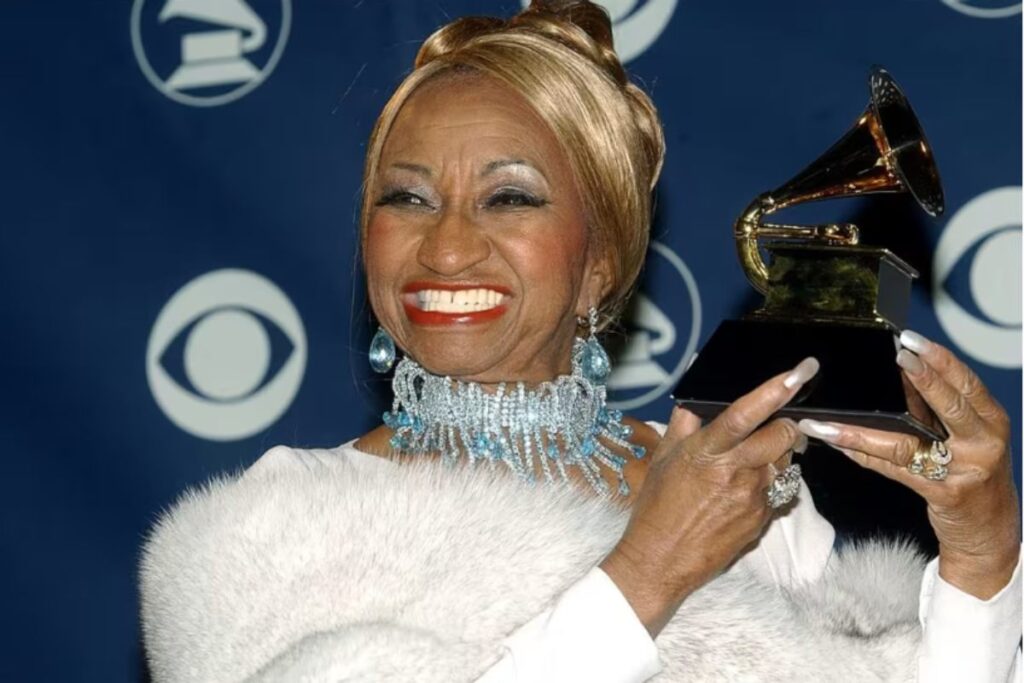
A Celebration the Government Tried to Silence
Celia Cruz, born Oct. 21, 1925, in Havana, was more than a performer. She was a symbol of freedom, identity, and the unbreakable spirit of the Cuban people. Her booming cry of “¡Azúcar!” became both a musical signature and a statement of joy in the face of oppression.
After the Cuban Revolution, Cruz’s open criticism of Fidel Castro’s regime and her 1960 asylum in the United States led the government to ban her music from the airwaves and erase her from official history. Yet, like all legends, her voice proved impossible to silence.
Even now, decades after her death in 2003, the state’s discomfort with her legacy lingers.
The cancellation of the centennial performance, reportedly organized by the state-run National Center for Popular Music, struck a nerve among Cubans already weary of restrictions on artistic expression.
“They have spent 60 years trying, without success, to tarnish one of the most extraordinary cultural lives ever lived,” wrote musicologist Rosa Marquetti in a Facebook post that quickly went viral. “Celia Cruz defended identity with an unflinching sense of belonging.”
Faith, Music, and Resistance
The crowd at La Caridad, Cuba’s most important Catholic basilica, swelled into the thousands. Ordinary citizens, artists, and musicians traveled from across the island, some carrying flowers, others draped in the colors of the Cuban flag.
There were tears, laughter, and spontaneous choruses of “La Vida es un Carnaval,” Cruz’s immortal anthem of resilience.
In a poignant act of symbolism, organizers at the Cuban Art Factory — the same venue where her performance had been canceled — left a single empty chair illuminated by stage lights for the duration of the time Cruz’s show was supposed to take place. The gesture, both mournful and defiant, was a silent message: You can silence a stage, but not a legacy.
A Queen Still Reigns
Though the Cuban government may continue to resist honoring her, Celia Cruz’s music endures. On street corners, in dance halls, and in the hearts of Cubans her name is whispered as both melody and memory.
A century after her birth, her message remains a quiet revolution in itself.
As one attendee reportedly said while leaving the basilica:
“They can cancel the concert. But they can’t cancel Celia.”