A social media creator and identity coach is arguing that society is entering a transformational period in which authenticity, lived experience, and self-awareness are becoming more valuable than traditional credentials and institutional authority.
Tiffany Lauren Jones, who focuses on self-discovery and identity development, shared her perspective in a recent Instagram video, claiming that a profound cultural shift is unfolding between 2025 and 2027.
“The core of the shift that’s happening between 2025 and 2027 is that people can no longer sustain identities that are disconnected from the truth,” said Jones, who also calls herself a “cultural feminist.”
According to the identity and systems thinker, the change is reshaping how people approach careers, relationships, leadership, and influence in both digital and real-world spaces.
The Rise of the ‘Identity Economy’
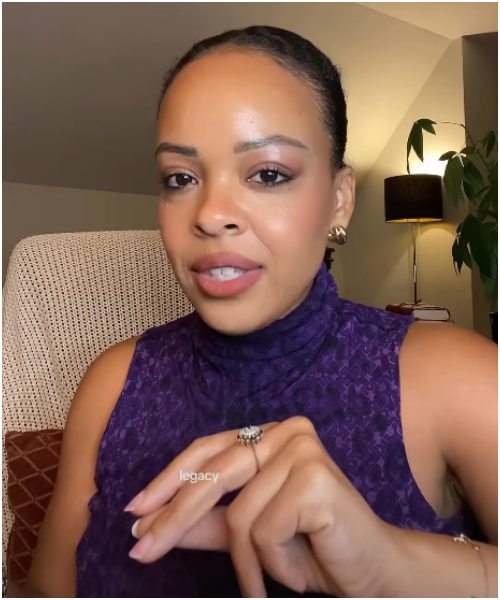
Jones argues that society is moving away from systems that rewarded conformity, external validation, and centralized authority toward what she describes as an “identity economy” driven by authenticity and trust.
“Trust is being granted more to niche expertise over institutions,” she said. “If someone feels like something is resonating with them, that matters much more than their credentials.”
Her comments reflect a growing trend in the digital age, where independent creators, subject-matter experts, and online communities often wield significant influence despite lacking traditional institutional affiliations.
Jones believes audiences are increasingly drawn to individuals who speak from direct experience rather than established authority.
“People are going to increasingly trust independent voices that are speaking from lived experience,” she said.
Why Traditional Gatekeepers Are Losing Influence
A central theme of Jones’ commentary is the declining power of traditional cultural gatekeepers.
She contends that experts, organizations, and public figures who appear disconnected from everyday realities are finding it harder to maintain public trust.
“Legacy gatekeepers and performative success culture are collapsing,” Jones said. “Any experts that are disconnected from reality or out of touch from being relatable to what most people are experiencing is just no longer working.”
Rather than a single dominant culture, she predicts the growth of smaller communities organized around shared values, identities, and interests.
“We’re moving towards cultural micro communities where people are coming together with shared identities, niche interests, and very specific ideas that they want to share in their group,” she explained.
Authenticity Over Performance
Jones also suggested that many people are experiencing burnout and dissatisfaction because their external identities no longer align with their internal values.
“This is why a lot of career paths aren’t making sense, that relationships are falling apart, people are burning out,” she said.
She believes many individuals are reevaluating goals that once defined success but now feel disconnected from their sense of purpose.
“The system is not just changing externally, people are changing internally at the exact same time,” Jones said. “That’s why this era can feel so disruptive because it is highly transformative.”
Perhaps her strongest assertion centered on what she sees as the future of influence.
“Now in this next era, you can no longer fake it,” she said. “You have to speak from the real thing.”
According to Jones, audiences can increasingly distinguish between genuine authenticity and carefully crafted personal branding.
“Personality outperforms branding and lived experience is becoming true intellectual property,” she said.
A Broader Cultural Conversation
Jones’ comments tap into wider debates about the future of work, leadership, media, and online influence as technology continues to reshape how people build communities and establish credibility.
While opinions differ on whether traditional institutions are truly losing their influence, her message has resonated with followers who see growing demand for transparency, authenticity, and human-centered leadership.
As digital platforms continue to decentralize influence and amplify niche voices, Jones argues that those who understand the changing relationship between identity, trust, and power will help shape the next chapter of culture.
“The system is changing externally, and people are changing internally at the same time,” she said. “That’s what makes this era feel so transformative.”