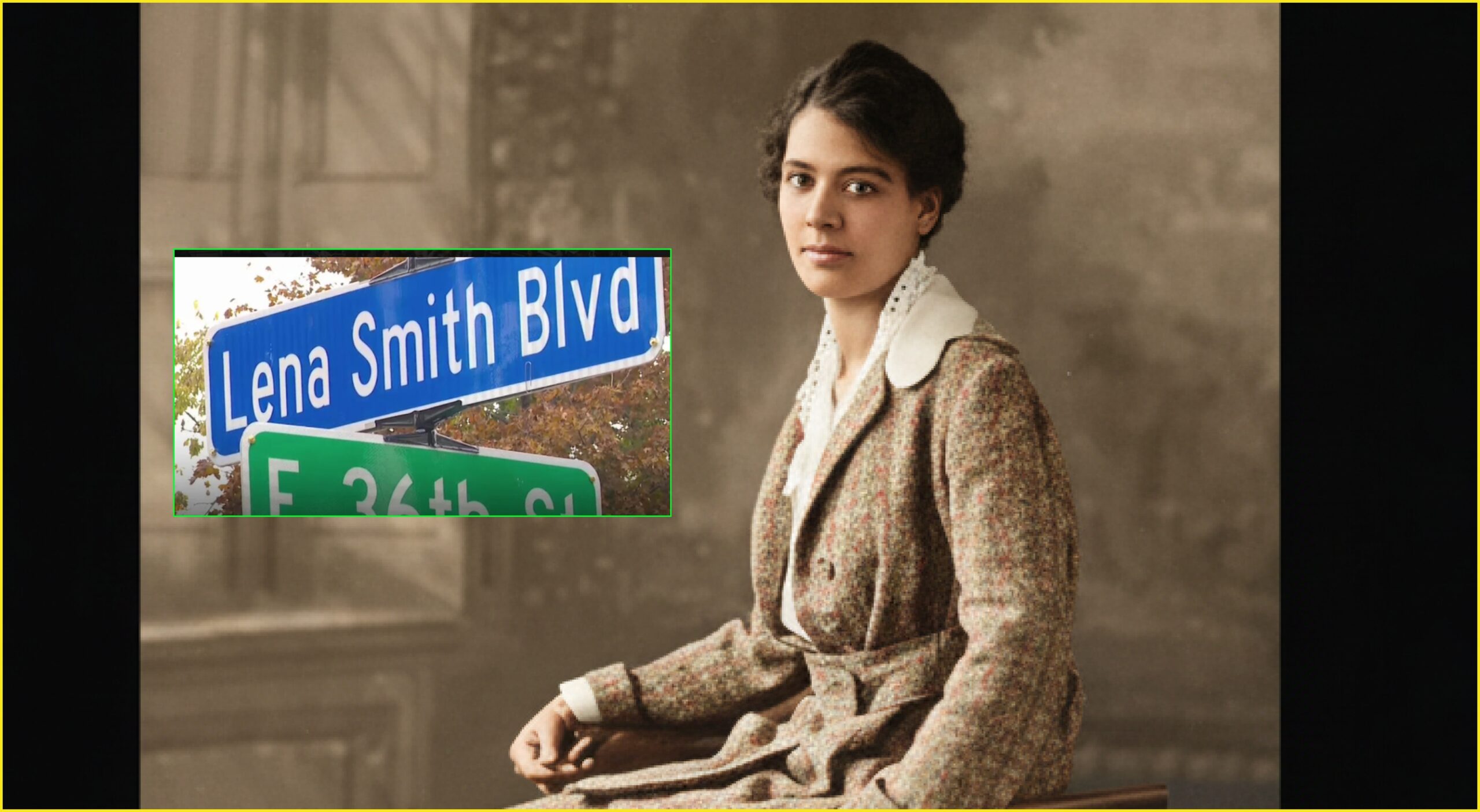
A once-segregated stretch of Minneapolis has a new name — and a new legacy.
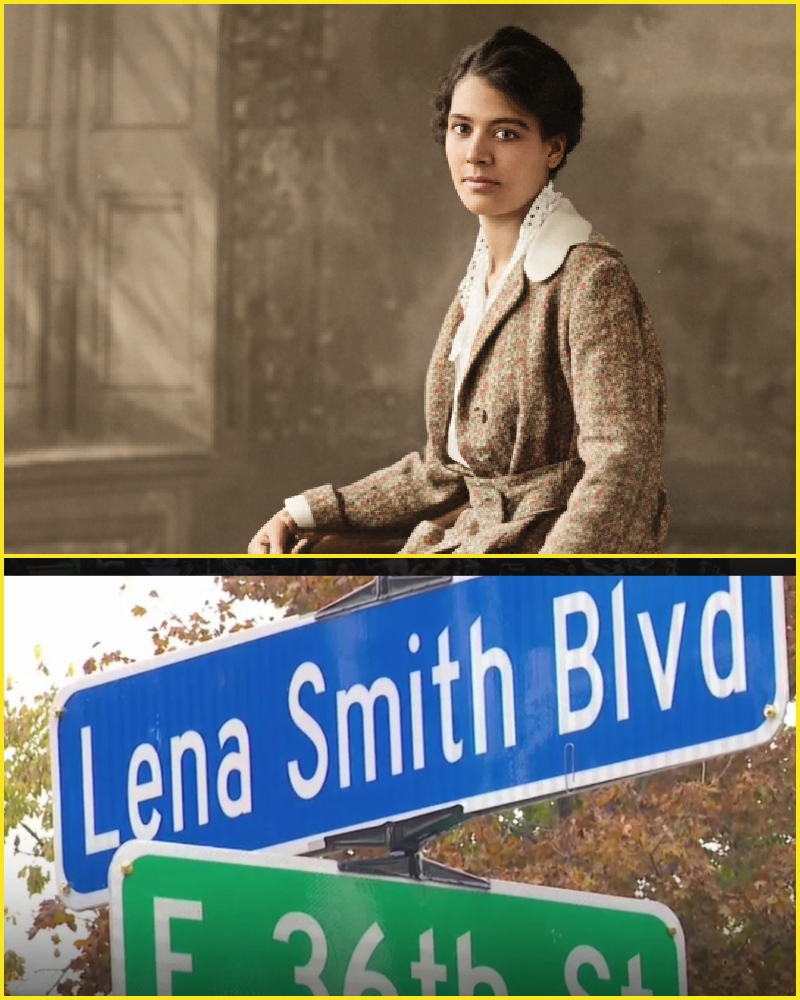
What was formerly Edmund Boulevard, a street named for a real estate developer who helped enforce racial segregation, now proudly bears the name Lena Smith Boulevard, honoring Minnesota’s first Black woman attorney and one of the state’s earliest and fiercest advocates for housing justice.
The renaming, finalized after nearly five years of community advocacy, marks more than a symbolic gesture — it’s a powerful reclamation of space, history, and truth.
A Legacy Reclaimed
Lena O. Smith, who practiced law in the early 1900s, spent her life battling the deeply entrenched systems of racism that kept Black families from buying or renting homes in certain neighborhoods. She represented clients who faced racial covenants, fought segregation in public accommodations, and co-founded the Minneapolis Urban League.
Her work, often lonely and uphill, laid the groundwork for future civil rights victories in Minnesota — and for the generations of Black professionals who followed in her footsteps.
“This is what reclaiming history and truth looks like,” one local activist said during the unveiling ceremony. “We are not just renaming streets. We are restoring dignity.”
From Segregation to Solidarity
The street’s previous namesake, Edmund Walton, was a prominent real estate developer who used racial covenants to enforce segregation — clauses written into property deeds that explicitly barred Black families and other minorities from owning homes in White areas.
These covenants, widespread across Minneapolis and other U.S. cities in the early 20th century, helped institutionalize segregation for decades. Though outlawed by the Fair Housing Act of 1968, their effects continue to shape patterns of inequality today.
Former Minneapolis Mayor Sharon Sayles Belton, the city’s first Black woman to hold the office, reflected on how both names — Walton and Smith — represent opposing forces in the city’s racial history.
“Our parents were subject to the harms associated with redlining and racial covenants,” she said. “They never would’ve had the opportunity to move to this neighborhood. And we knew that as young children.”
Her words underscored how the legacies of housing discrimination are not abstract — they persist in property values, neighbourhood demographics, and generational wealth gaps.
Five Years, and a Century of Struggle
The effort to rename Edmund Boulevard began more than five years ago, led by residents, historians, and community leaders determined to confront the city’s history of exclusion.
Their success mirrors a broader national reckoning — one that has seen monuments, schools, and public spaces renamed to honor those who fought for equity rather than those who enforced inequality.
For Minneapolis, still healing from the racial wounds laid bare after George Floyd’s 2020 murder, the new Lena Smith Boulevard stands as a local beacon of progress — a reminder that justice is not just fought in courtrooms, but written into the map of the city itself.
When Street Names Speak Truth
Street signs may seem small, but they tell stories — about who is valued, who is remembered, and who is erased. For too long, those stories were written by and for those in power.
By renaming this street for Lena Smith, Minneapolis isn’t just acknowledging one woman’s achievements; it’s rewriting its moral geography.
In a city once divided by law and by deed, a Black woman’s name now runs through its heart.
That is history, reclaimed.