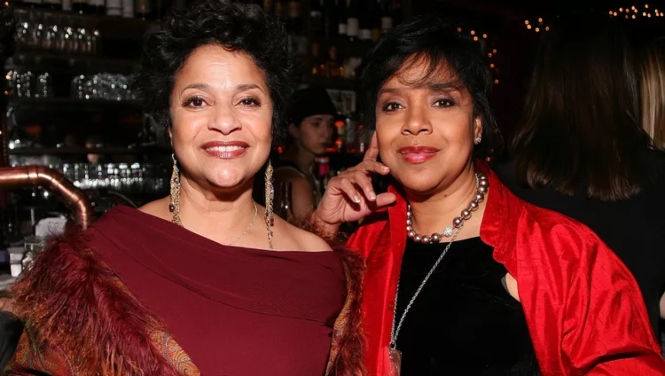
Long before they became towering figures in American entertainment, sisters Debbie Allen and Phylicia Rashad spent some of their most formative childhood years far from the U.S. spotlight — growing up in Mexico City.
The move, made in the 1950s, was orchestrated by their mother, Vivian Ayers Allen, a Pulitzer Prize–nominated poet who wanted to shield her daughters from segregation in Houston, Texas, and expose them to a broader cultural world.
Escaping Segregation, Finding Freedom
At the time, racial barriers in the United States limited opportunities for Black families, especially in education and the arts.
Ayers Allen made the bold decision to relocate the family to Mexico City, where her daughters would spend five crucial years surrounded by music, dance, art, and linguistic diversity.
The experience, the sisters have often credited, helped shape their confidence, creativity, and global perspective — qualities that would later define their groundbreaking careers.
From Global Childhood to Cultural Icons
After returning to the United States, both sisters went on to reshape American entertainment.
Debbie Allen became a celebrated dancer, choreographer, producer, and director, known globally for her role in Fame and later for producing the influential sitcom A Different World, which highlighted Black college life and culture.
Phylicia Rashad rose to prominence as the beloved matriarch on The Cosby Show and made history on stage as the first Black actress to win the Tony Award for Best Actress in a Play.
A Legacy Rooted in Vision
Historians and cultural commentators often cite the family’s move to Mexico as a pivotal moment — one that allowed the sisters to grow in an environment less constrained by racial prejudice and more open to artistic exploration.
Their story underscores how environment, opportunity, and parental vision can shape generational success.
Today, Allen and Rashad remain influential voices in the arts, education, and cultural leadership, with careers spanning decades.