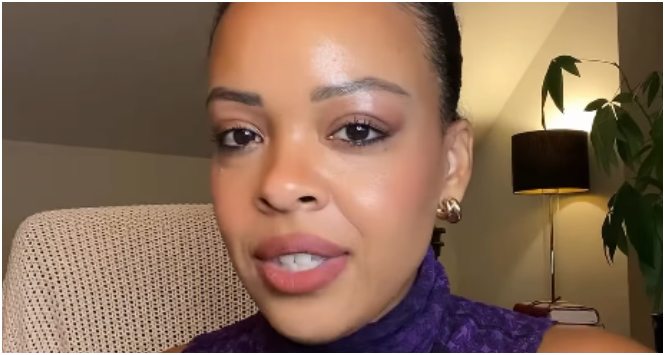
Self-discovery and identity advocate Tiffany Lauren Jones is drawing attention to what she describes as one of the most underrecognized forms of influence in society: the power of storytelling to shape identity, culture, and systems of belief.
In a recent social media post and accompanying video, Jones argued that the narratives societies inherit play a foundational role in determining how individuals understand success, leadership, beauty, and belonging.
“One of the most overlooked forms of power is the ability to shape the stories a society tells about itself,” she wrote. “Stories determine what we value, who we celebrate, what we believe is possible, and even how we see ourselves.”
Narrative as a Foundation of Cultural Power
Jones stated that storytelling precedes formal structures of power such as policy, finance, and institutions, arguing that cultural influence is first established through shared narratives.
According to her, these narratives shape collective expectations and personal identity long before they are reflected in governance or economic systems.
“Long before power is expressed through policy, money, or institutions, it is expressed through narrative,” she stated.
She added that modern cultural shifts are prompting more people to reassess the stories they have inherited, suggesting that many long-held frameworks may no longer reflect present realities.
Reclaiming Identity Through Personal Narrative
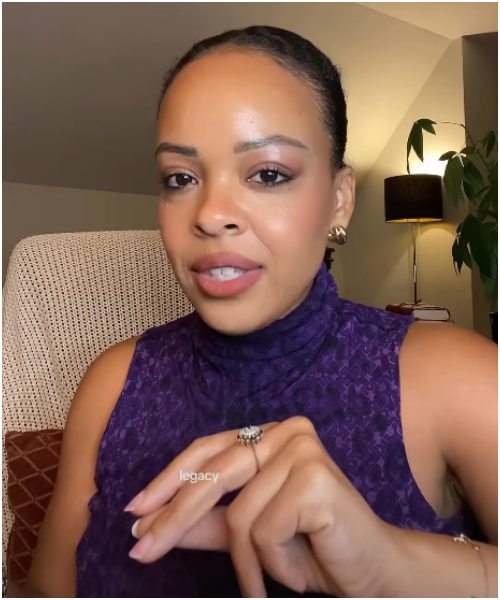
In her video message, Jones focused on the idea of narrative ownership, encouraging individuals to actively participate in shaping how their experiences are represented.
“At the root of culture and power is legacy and storytelling,” she said. “By owning our narrative, we shift from having it taken from us to being the authors of our power.”
She argued that reclaiming personal and collective stories requires intentional expression, including sharing lived experiences in personal, professional, and public spaces.
Jones suggested that storytelling is not limited to formal platforms, but is reinforced through everyday communication and self-expression.
Cultural Shift Toward Self-Authored Identity
Jones described the current moment as one in which individuals are increasingly questioning inherited cultural narratives, particularly those that no longer align with their lived experiences.
She noted that while historical narratives may have served earlier generations, contemporary audiences are seeking frameworks that reflect present realities and evolving identities.
“The future will belong to those who can honor the wisdom of the past while consciously choosing the story they want to carry forward,” she wrote.
Encouraging Individual Expression
In her closing remarks, Jones encouraged individuals to begin reclaiming their narratives by sharing personal stories, even in small ways.
“Reclaiming our narrative ensures that we live and lead authentically, rooted in who we truly are, not who we’re told to be,” she said.
She added that even simple acts of storytelling can contribute to broader cultural change by encouraging others to reflect on and express their own experiences.
In a media environment increasingly shaped by competing narratives, Jones’ message underscores a growing conversation about identity, authenticity, and the role of storytelling in shaping modern culture.