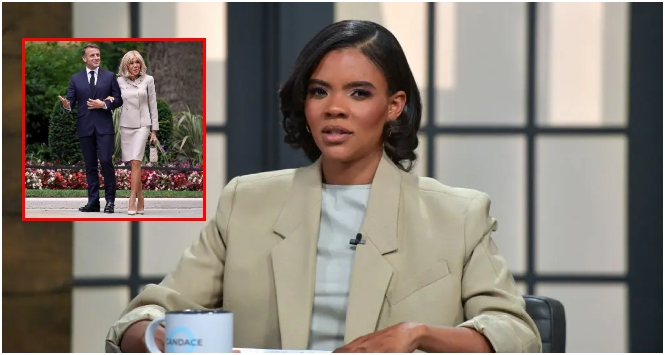
Conservative commentator Candace Owens has been officially denied a visa to enter Australia, after the country’s High Court ruled unanimously that her presence could “incite discord” and threaten social cohesion.
The decision, handed down Wednesday by Justices Stephen Gageler, Michelle Gordon, and Robert Beech-Jones, sided with the Australian government’s earlier move to block Owens from entering under the Migration Act’s “character requirements.”
The judges found that while Australia recognises an implied freedom of political communication, it is not an absolute personal right and cannot be used to override national security or public safety considerations.
“Implied freedom of political communication is not a ‘personal right,’ is not unlimited, and is not absolute,” the justices wrote in their joint opinion.
Owens—who legally goes by her married name, Candace Owens Farmer—had sought to challenge the government’s decision on constitutional grounds, arguing that the refusal violated her right to express political opinions.
But the High Court dismissed her petition, with Justice James Edelman writing pointedly that “Ms. Owens Farmer’s submissions should be emphatically rejected.”
The ruling not only upholds the government’s authority to restrict visas based on perceived threats to public order but also orders Owens to pay the government’s legal costs.
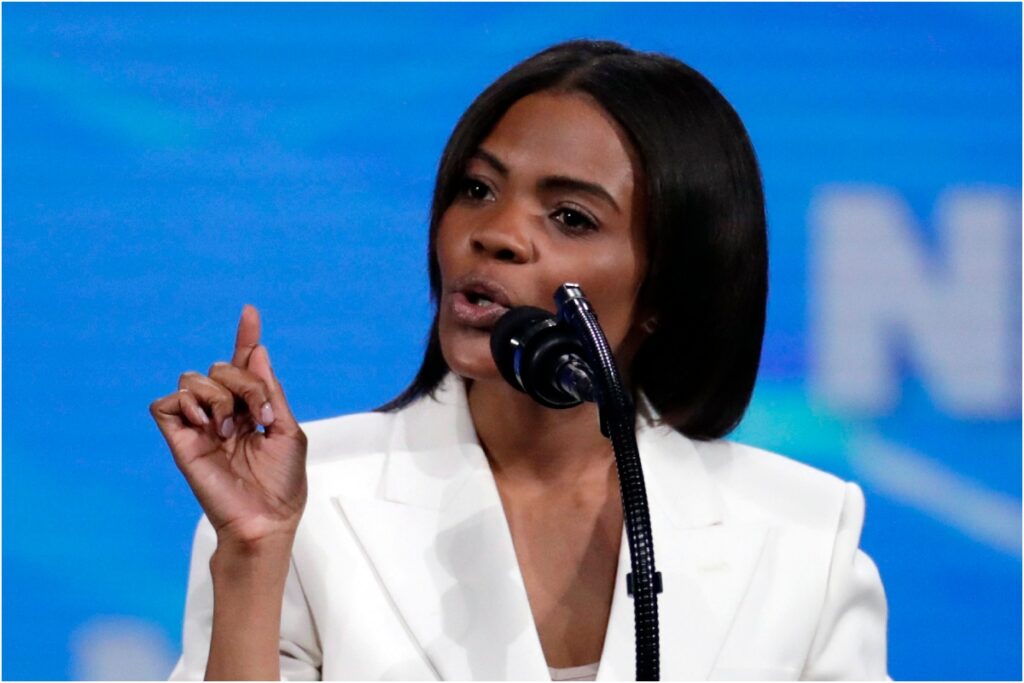
“A Win for Social Cohesion”
Australia’s Home Affairs Minister Tony Burke, who initially denied Owens’ visa in November 2024, hailed the court’s ruling as a victory for national unity.
“Inciting discord might be the way some people make money, but it’s not welcome in Australia,” Burke said in a statement. “Australia’s national interest is best served when Candace Owens is somewhere else.”
In his earlier decision, Burke cited security assessments warning that Owens’ history of “extremist and inflammatory comments” toward Muslim, Black, Jewish, and LGBTQIA+ communities posed a potential risk.
“In the current environment where the Australian community is experiencing heightened tensions, I find that there is a risk that Ms. Farmer’s controversial views will amplify grievances and lead to increased hostility or radical action,” Burke said.
Under the Migration Act, officials can deny entry to individuals deemed likely to disrupt public order or provoke community division. Australia’s Department of Home Affairs defines “good character” as the “enduring moral qualities of a person,” a standard the minister said Owens failed to meet.
Legal and Political Implications
Legal scholars note that the ruling reaffirms Australia’s unique constitutional balance — one that acknowledges free political communication as a function of democracy, but not as a personal liberty akin to the U.S. First Amendment.
“The High Court’s message is clear: political speech can be limited when it risks tearing at the social fabric,” said a constitutional expert commenting on the decision. “Australia prioritizes public harmony over individual expression when the two collide.”
This decision could serve as a benchmark for how other Western democracies navigate the global tension between free expression and social stability, especially in an era of online radicalization and political extremism.
Owens’ Controversial Legacy
Owens, a prominent U.S. conservative figure and frequent critic of progressive movements, has long drawn backlash for comments perceived as divisive or dismissive of marginalized groups. She has publicly defended nationalist figures, questioned racial justice movements, and made statements viewed as anti-LGBTQ and Islamophobic.
Her denial marks the second time this year an American celebrity has been refused entry into Australia for ideological reasons. In July, rapper Ye (formerly Kanye West) had his visa revoked over concerns he was promoting Nazi ideology in his song “Heil Hitler.”
A Broader Message
The High Court’s ruling sends a firm message about Australia’s approach to maintaining social harmony in a politically charged global environment.
For Owens, it is a striking rebuke on international soil — one that underscores the growing global resistance to imported culture wars.
While her representatives have yet to respond publicly, the verdict suggests that Australia’s judiciary is drawing a clear line between free speech and social responsibility.