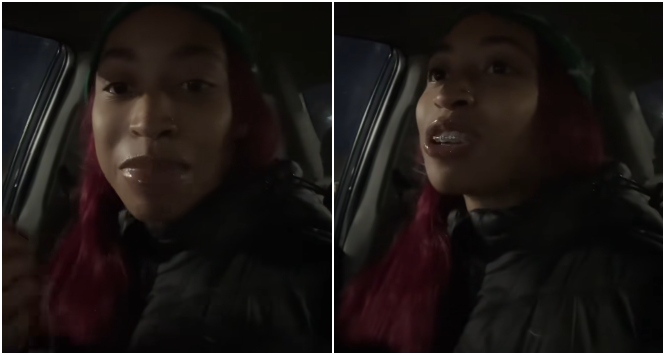
A young woman is driving people crazy on TikTok after saying in a now-viral video that she prefers her toxic ex-boyfriend—currently in jail—over her present partner because he is “too nice” and does not physically abuse her.
The video, shared by TikTok account @Raynor.Society, features a woman speaking candidly from her car about dissatisfaction with her current relationship. In the clip, she criticizes her boyfriend, who works long hours at a regular job, describing him as controlling, unattractive, and emotionally unappealing. She contrasts him with abusive former partners, suggesting that the absence of violence makes the current relationship unfulfilling for her.
“He don’t hit me like my exes did,” the woman says in the video, adding that when conflict arises, her current boyfriend walks away instead of fighting.
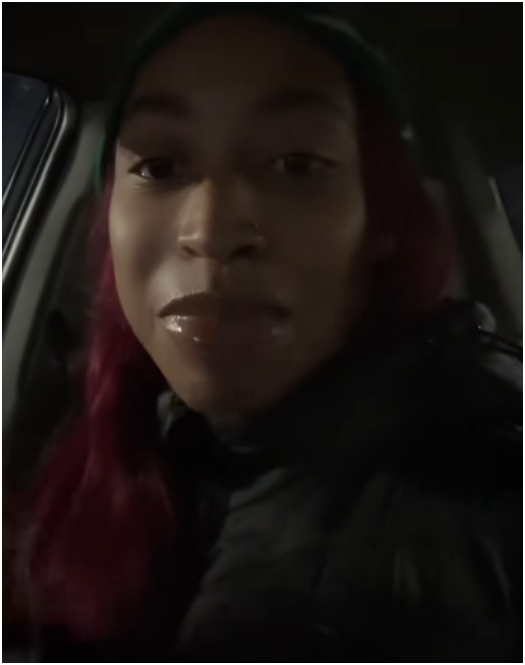
She further admits that she remains in the relationship largely because she is financially dependent on him and unemployed, stating that she would be unable to pay rent on her own if he left.
The woman also expresses frustration that her boyfriend has objected to her sending money to her incarcerated ex-partner and placing limits on how often she goes out to clubs. At several points, she frames the relationship as a favor she is doing for her boyfriend, citing what she calls his low self-esteem and claiming that no one else would want him.
Online Reaction and Broader Concerns
The video quickly spread across social media platforms, drawing sharp criticism from viewers who accused the woman of emotional manipulation, financial exploitation, and trivializing domestic abuse. Many commenters expressed concern that the remarks normalize or romanticize violent relationships, while others highlighted the apparent power imbalance and unhealthy dynamics described.
Relationship experts and advocates against domestic violence note that the video reflects complex psychological and social issues, including trauma bonding, financial dependence, and distorted perceptions of intimacy shaped by past abuse. Advocates stress that physical violence is never a measure of love or passion and warn against narratives that frame abuse as desirable or normal.
Some users also criticized the public nature of the video, pointing out that airing such grievances online could further harm all parties involved and contribute to harmful discourse about relationships, gender roles, and abuse.
While the woman did not identify herself or her partner, the clip has become part of a broader online conversation about toxic relationships, economic dependence, and the impact of social media in amplifying extreme personal views for attention or validation.
As the video continues to circulate, advocates emphasize the importance of promoting healthy relationship standards and encouraging conversations that do not excuse or minimize abuse in any form.