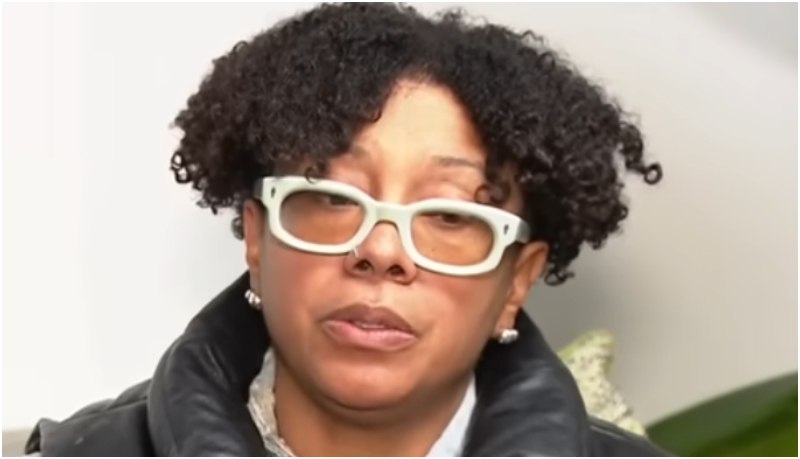
A woman at the center of a highly publicized housing standoff in Northeast D.C. now says she plans to leave the property “within the next two weeks,” telling 7News the situation has become “too much to handle” and has taken an emotional toll on her.
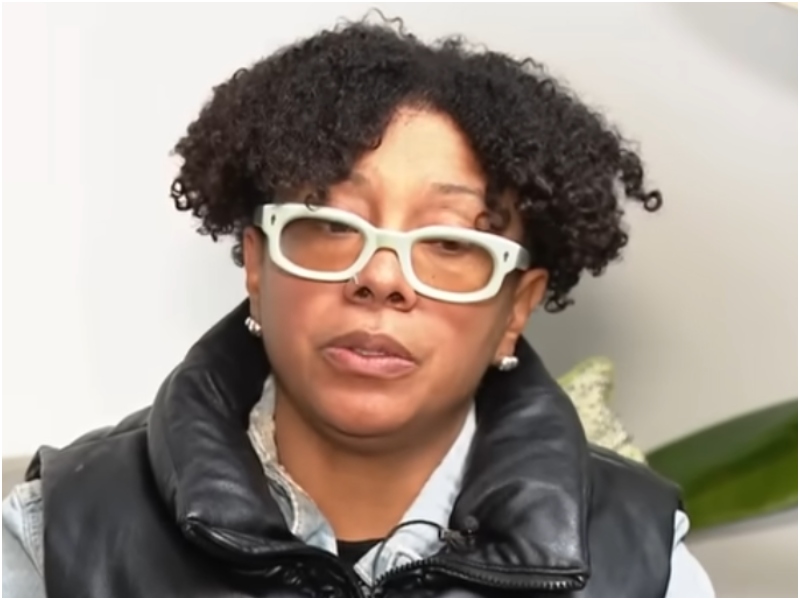
Shadija Romero, who has been living inside Rochanne Douglas’ home for nearly a year, approached 7News reporters last Tuesday, Dec. 2, 2025, as they sat in a car working on a story. Romero insisted she was not a squatter and claimed the conflict began only recently.
“This has only been a month,” Romero said, though she later acknowledged the issues began in late October and escalated through November. “If I’m paying late but you accept the payment, that tells me we’re fine.”
But court records and months of communications reviewed by 7News paint a far more complicated—and disputed—timeline.
A Stay That Never Ended
The saga began in February, when Douglas accepted a 32-day Airbnb reservation from Romero, who said her apartment building had suffered a fire.
But Douglas later discovered Romero had been evicted from her previous residence after allegedly paying just one month of rent over 13 months and accruing nearly $50,000 in arrears.
“Had I known the truth, I never would have accepted the reservation,” Douglas told 7News in an earlier interview.
Romero denies wrongdoing and maintains the fire was real, adding that she was legitimately displaced. She says Douglas continued to send monthly payment links, which she interpreted as an agreement to stay.
“If you wanted me gone in April, why send an invoice for April? May? June?” Romero asked. “If I wanted to scam the system, you would have never received another payment from me.”
Douglas, meanwhile, says she never received the rent Romero claims to have paid.
Harassment Claims, Police Calls, and a Homeowner Locked Out
The dispute exploded in November when Douglas declared Romero an “unauthorized occupant” and posted an official notice on the property. Romero responded by covering the sign with a blanket.
Douglas says attempts to approach her own home have led to Romero repeatedly calling police on her. Romero, however, argues that she felt harassed and unsafe.
“You’re banging on the door, the police tell you not to enter, and then you come in anyway,” Romero said, recounting an incident in which she says Douglas threatened to break windows—an allegation Douglas denies. Body-camera footage is now part of the court record.
Romero also accused Douglas of cutting off power and hot water, though Douglas says she pursued legally required steps to regain control of her home.
A Signed Document — But No Departure
In November, Douglas—exhausted and thousands of dollars into legal fees—offered Romero money to leave. Romero signed a document acknowledging she was not a tenant and agreed to move out.
She didn’t.
D.C.’s notoriously tenant-friendly laws complicate matters. Anyone who remains in a property for more than 30 days can challenge removal through landlord-tenant court, even without a formal lease. Cases often take months.
“I’m not staying for six months of court hearings,” Romero insisted Tuesday. “I’ll be out before anything serious happens. Maybe even within a week.”
Two Women, One House, and a System Under Strain
The situation has drawn intense online scrutiny, especially after Romero was seen on social media vacationing and attending events while Douglas continued paying the mortgage and utilities on the home she can’t access.
Both women say the ordeal has been emotionally draining.
“Everyone has financial issues,” Romero said tearfully. “It doesn’t mean your landlord should be able to harass you or cut your power.”
Douglas, meanwhile, has said publicly she feels manipulated.
This case mirrors a growing wave of homeowner-guest disputes nationwide, where short-term rentals collide with long-standing tenant-protection laws—often leaving property owners stunned by how hard it is to remove someone they never intended as a long-term tenant.
With a court hearing scheduled for December, Douglas is hoping for closure. Romero says she plans to leave before then.
Whether she actually does may determine how much longer this standoff continues.