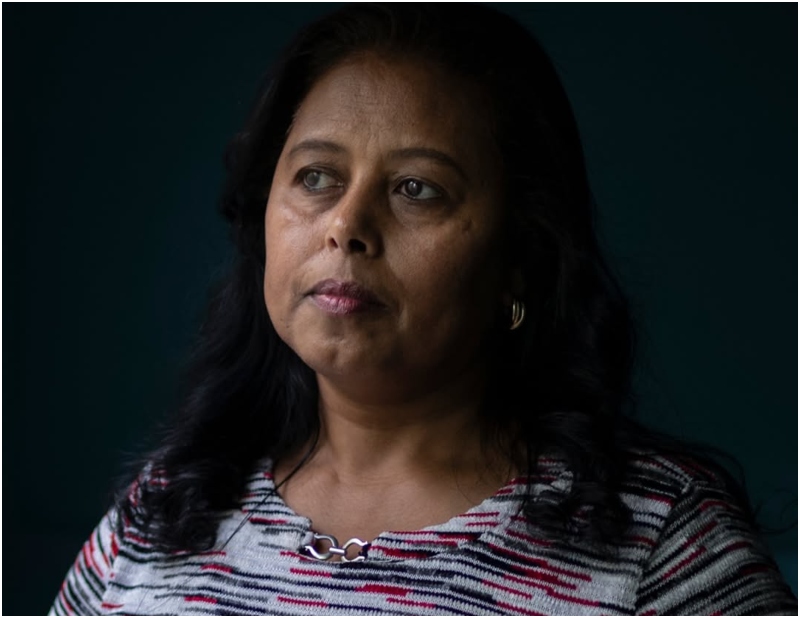
For nearly twenty years, Miriam — an Eritrean immigrant who built a quiet life in the United States as a nurse — believed she had finally found stability.
She paid her taxes, cared for patients through grueling night shifts, and watched her American-born nieces grow up. She never imagined she would be forced back into a maze of detention centers, border transfers, and deportation threats that felt eerily similar to the repression she once fled.
But this year, her life unraveled in days.
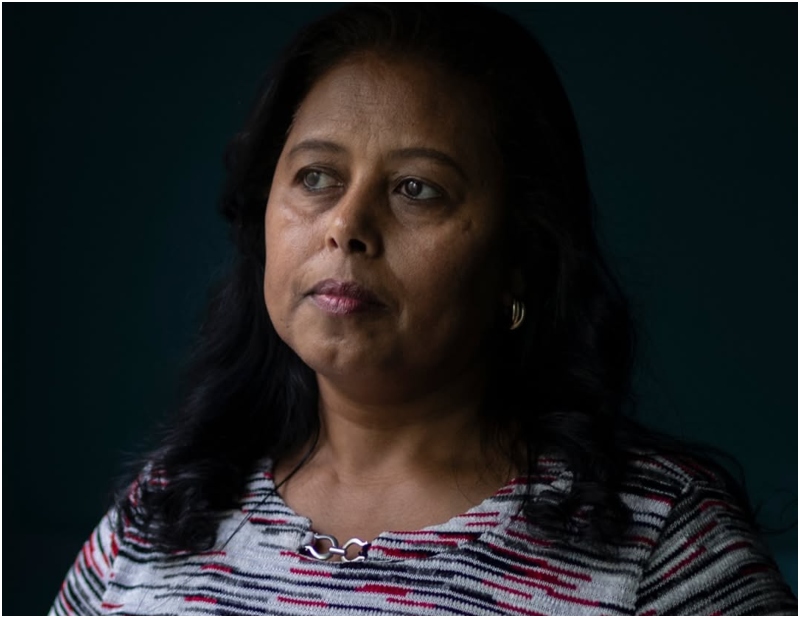
After traveling to Canada to seek permanent refugee protection — hoping for a future free of the constant uncertainty surrounding her U.S. immigration status — Miriam was abruptly denied entry and returned to Texas under a binational agreement that has increasingly come under fire.
What awaited her in the U.S. was not just bureaucratic confusion, but a trauma she describes as “being erased.”
ICE detained her immediately, despite her decades-long residence and clean record. Officers told her she would soon be removed to a third country. At one point, she was informed she could be flown to the very region she once escaped — a prospect she said left her “unable to breathe.”
Her story, documented by U.S. and Canadian advocates, reveals the human toll behind a renewed U.S. push to deport Eritrean asylum seekers, even those who once held valid work permits and long-standing deferred-action protections. What officials describe as “routine enforcement,” migrants describe as the destruction of the only sense of home they have known.
In interviews, friends and relatives said Miriam’s fear was not abstract. Eritrea’s authoritarian government is infamous for indefinite military conscription, arbitrary imprisonment, and targeting returning nationals. Many Eritreans in the U.S. share the same dread: deportation could mean disappearance.
But the emotional weight of Miriam’s experience lies not only in the danger she could face abroad — but in the heartbreak of being treated as disposable after building a life rooted in care and service.
“She gave her best years to this country’s hospitals,” said a colleague from the Austin clinic where she once worked. “To watch her be dragged back into detention like she is nothing — it broke us.”
Her case is not isolated. Immigration lawyers say ICE is accelerating removals of Eritrean migrants whose asylum claims were deferred years ago, a reversal of previous humanitarian practice. Many are being told — sometimes with only hours’ notice — to prepare for deportation.
Human rights groups warn that the policy could violate international law, but for people like Miriam, the legal debate feels painfully distant. What she remembers most vividly is the moment a U.S. officer told her she no longer had the right to remain:
“It felt like my life was a room someone switched the lights off in.”
Advocates are now urging both Washington and Ottawa to halt deportations to Eritrea and reassess a system that too often treats long-settled migrants as administrative errors rather than human beings.
For Miriam — now fighting her case with pro bono counsel — the question is simple: “How do you build a life again when it can be taken from you in a single day?”