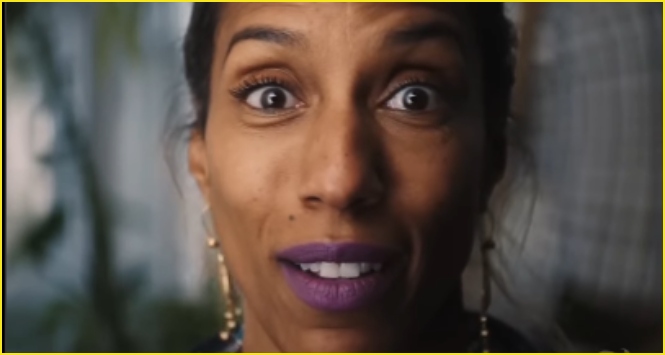
Before Fergalicious or I Gotta Feeling ever blasted from club speakers, there was Kim Hill — a soulful, uncompromising singer who helped shape the sound of the Black Eyed Peas long before they became a global pop machine.
In the mid-1990s, Hill was a Los Angeles-based singer-songwriter hustling through open mics and session gigs when she met a young will.i.am and his underground hip-hop crew, then called Atban Klann.
They were part of a scene that valued lyricism over flash — a jazz-rap, De La Soul–inspired collective that thrived on community, consciousness, and creativity.
Hill joined the group in 1995, giving them something rare — a female voice that was equal parts strength and substance. Her vocals ran through tracks on their debut album, Behind the Front (1998), and she appeared prominently in early music videos, carving out a space for herself in a male-dominated industry.
But as the group’s momentum grew, so did the pressure from major labels, and that’s where everything changed.
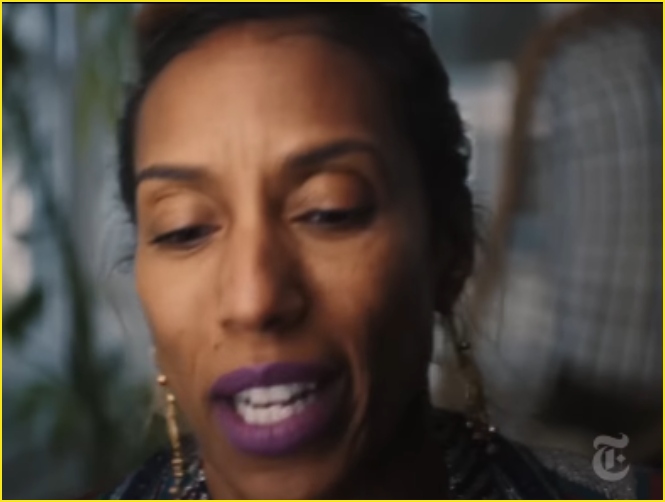
They Wanted Me Packaged and Sexualized
By 2000, Hill says she was being pushed into a box that didn’t reflect who she was or what she stood for.
Industry executives, hungry to commercialize the group, wanted her sexualized and styled to fit the archetype that women in hip-hop were often forced into, less about talent, more about image.
Hill refused.
Instead of compromising her integrity, she walked away, leaving the Black Eyed Peas just before they dropped Elephunk in 2003, the record that turned them into international stars.
It was the moment that marked two diverging paths: the group’s rise to Grammy-winning fame and Hill’s quiet exit into artistic obscurity.
And yet, in hindsight, her decision reads less like a missed opportunity and more like a moment of moral clarity.
A Music Industry Double Standard
Hill’s story reveals a truth that still stings today, that women in music often face a different price for success. For will.i.am, apl.de.ap, and Taboo, saying “yes” to industry polish didn’t mean compromising their bodies or image. For Hill, it did.
“She chose principle over fame,” one longtime music critic noted, “and history is starting to see her as the visionary she was.”
Her choice also exposed a deeper cultural hypocrisy.
The Black Eyed Peas began as a conscious, grassroots group with a sound that celebrated identity and authenticity. By Monkey Business (2005), the group had traded that identity for radio-friendly hooks and commercial success.
Hill had sensed the shift before the rest of the world. “The message was fading,” she reflected in past interviews, “and I didn’t want to be a part of that.”

Foresight Over Fame
Today, in an era where artists like SZA, Noname, and Rapsody openly challenge the industry’s narrow expectations of women, Hill’s story resonates more than ever.
She might not have the chart-topping hits, but what she does have — integrity, independence, and the respect of those who value art over marketing — can’t be measured in record sales.
As conversations around gender equity and authenticity in music continue, Kim Hill’s story stands as a reminder: sometimes walking away from the table is the most powerful move of all.
Three decades later, it’s clear she didn’t lose out. She saw what was coming and chose freedom.