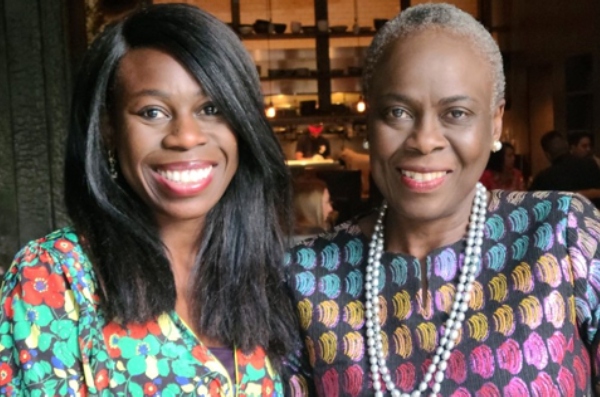
As healthcare systems worldwide intensify efforts to close gaps in cancer detection and outcomes, CancerIQ, a Black doctor-owned health technology startup co-founded by renowned oncologist Dr. Olufunmilayo “Funmi” Olopade and her daughter, CEO Feyi Olopade Ayodele, is drawing renewed attention for its data-driven approach to cancer prevention and early diagnosis.
The Chicago-based company, which raised $14 million in venture funding in 2024, has positioned itself at the intersection of artificial intelligence, precision medicine and health equity — an area that remains a critical concern today as cancer screening disparities persist across racial and socioeconomic lines.
CancerIQ’s platform uses artificial intelligence to analyze individual cancer risk based on genetics, family history and clinical data. Patients are then connected to personalized care pathways that may include earlier or more frequent screenings, genetic testing and targeted lifestyle interventions.
The technology is currently deployed in more than 180 healthcare locations across the United States, including hospitals and cancer centers.
Health experts say such tools are increasingly vital. Studies continue to show that Black women are more likely to be diagnosed with cancers at later stages and experience worse outcomes than white patients, often due to barriers such as limited access to preventive care, delayed screenings and under-referral for genetic testing. Disruptions during the COVID-19 pandemic further widened these gaps, with millions missing routine cancer screenings.
“CancerIQ’s vision is to end cancer as we know it by eliminating health disparities and democratizing access to the latest advances in early detection and prevention,” Ayodele said following the company’s national recognition, including features in Forbes. “We started by making genetic testing more accessible and ensuring patients are connected to the right preventive services at the right time.”
Dr. Olopade, an internationally respected breast cancer specialist, has spent decades researching hereditary cancer risk, particularly among women of African descent. As CancerIQ’s Chief Scientific Officer, she has helped shape the platform’s emphasis on genetics-informed care — an area increasingly highlighted by policymakers and medical associations as central to modern cancer prevention strategies.
The company’s funding round was co-led by the Merck Global Health Innovation Fund and Amgen Ventures, signaling strong pharmaceutical industry backing for AI-driven risk assessment tools. The investment has enabled CancerIQ to expand its engineering and clinical teams, with plans to add at least 50 new employees, and to scale its platform to reach more patients and providers.
CancerIQ’s mission also aligns with recommendations from the U.S. President’s Cancer Panel, which has repeatedly stressed the need to improve risk assessment and screening access for underserved populations.
As health systems face growing pressure to deliver more personalized and equitable care, solutions like CancerIQ are increasingly viewed as part of the infrastructure needed to modernize cancer prevention.
While the company was founded with a focus on the U.S. healthcare system, its approach has broader global relevance. Public health experts note that AI-driven risk stratification tools could play an important role in low- and middle-income countries, where specialist access is limited and late-stage cancer diagnoses are common.
As debates over healthcare equity and the role of artificial intelligence in medicine continue, CancerIQ’s work reflects how technology, when guided by clinical expertise and equity-focused design, can help reshape cancer care — not only by detecting disease earlier, but by ensuring fewer patients are left behind.