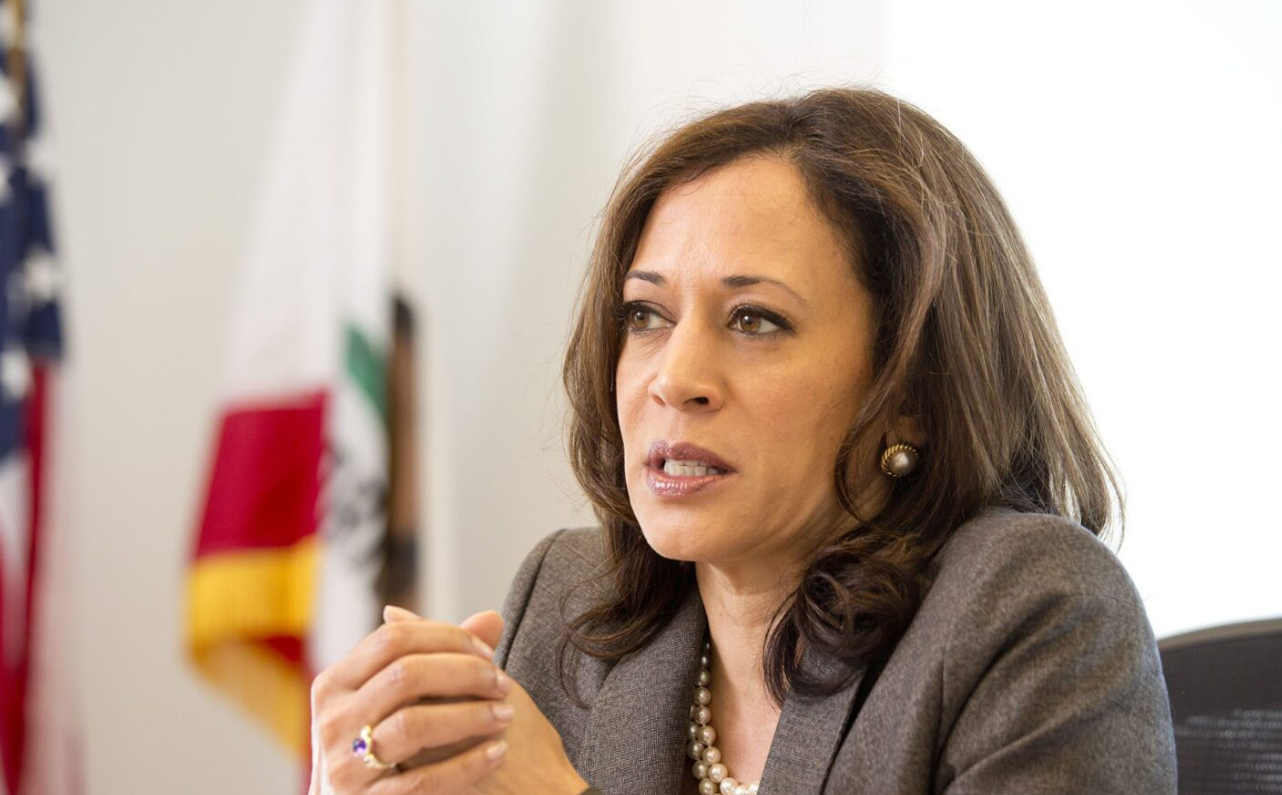
A new report in The Atlantic has uncovered deep fractures between Vice President Kamala Harris’s 2024 presidential campaign and its main super PAC ally, Future Forward, a conflict that insiders now believe may have cost Democrats the election.
According to over 20 Democratic strategists, donors, and advisers interviewed by The Atlantic, the two camps pursued clashing visions of how to defeat Donald Trump. While Harris’s campaign hammered home warnings that Trump was “unhinged, unstable, and unchecked,” Future Forward—a $900 million powerhouse super PAC—downplayed that message. The group believed Harris’s path to victory required a relentless focus on economic messaging and her image as a disrupter, not a protector of the political status quo.
Tensions simmered behind closed doors. Campaign chair Jen O’Malley Dillon reportedly complained that Future Forward had “gone rogue,” delaying ad buys, under-targeting key voters, and neglecting get-out-the-vote infrastructure. In contrast, the PAC, which had built a larger research apparatus than the campaign itself, dismissed attacks on Trump’s character as ineffective. “People might not mind ‘unhinged’ if their fingers are caught in the door,” one strategist quipped.
Legally barred from direct coordination, both sides attempted to steer messaging through indirect channels—polling memos, public statements, and donor suggestions. By the fall, the relationship had fully soured. The Harris team doubled down on warning about Trump’s threat to democracy, even calling him a fascist, while Future Forward stuck to data-driven ad testing.
“There are a lot of trees,” one Harris adviser said of the PAC’s strategy. “But the way I see it, the presidential campaign is a forest.”
Following Harris’s loss, postmortem conversations have been scarce. But as Future Forward angles to play a central role in 2028, frustrations persist. A strategist close to the conflict called it “the largest fight for the soul of the Democratic Party that no one is talking about.”
The fractured 2024 effort raises deeper questions: Who controls the Democratic Party? And next time, who leads?