Minnesota educators are escalating warnings about the impact of intensified federal immigration enforcement on students, with union leaders saying the growing presence of ICE agents is creating fear and instability in classrooms already strained by crisis.
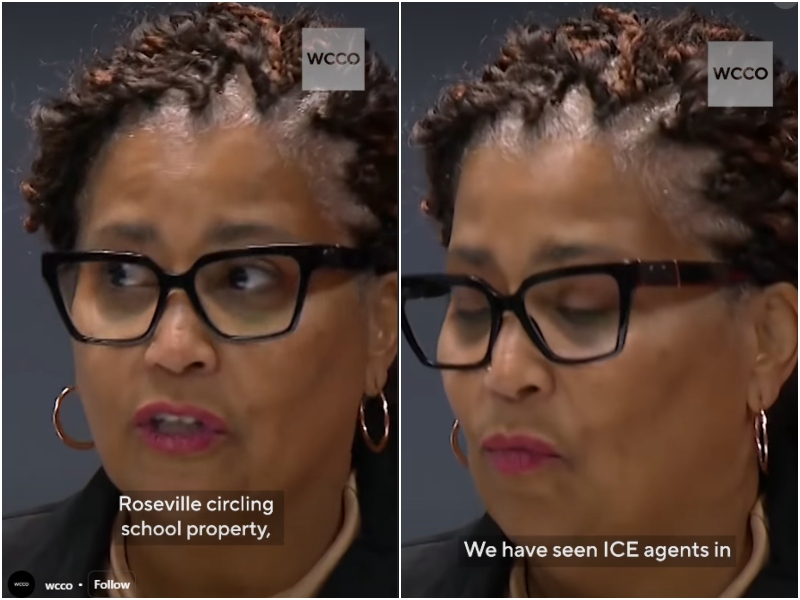
Speaking at a Friday, Jan. 9, gathering of educators’ unions in St. Paul, Monica Byron, a union leader representing Minnesota teachers, focused on the emotional toll the situation is taking on students and families. Byron stated that children are being forced to process scenes of armed federal agents, protests, and violence at a time when schools are meant to provide stability, safety, and routine.
Union leaders said the issue reached a breaking point following the fatal shooting of 37-year-old Renee Good by an ICE agent in Minneapolis earlier this week.
The killing, combined with reports of agents operating near school grounds, has left students anxious and distracted, according to educators.
Schools Caught in the Middle of Enforcement Actions
Byron and other union representatives warned that immigration enforcement activity near schools undermines trust between families and educators. They argued that when children fear encountering federal agents on or near campus, attendance drops, concentration suffers, and emotional distress rises—particularly among students from immigrant households.
The concerns prompted Minneapolis Public Schools and Fridley schools to close on Friday. Educators also called on federal authorities to keep ICE agents away from school property after reports that agents tackled individuals on the grounds of Roosevelt High School just hours after Good’s killing.
Community Fallout After Fatal Shooting
According to CBS News, Renee Good, a poet, writer, wife, and mother who recently moved from Kansas City to Minneapolis, was shot and killed during an encounter with an ICE agent on the city’s south side. The agent involved was part of a specially trained tactical unit within ICE Enforcement and Removal Operations.
Federal officials said the agent acted in self-defense, with the Department of Homeland Security characterizing Good’s actions as “domestic terrorism.” President Donald Trump claimed she “ran over” an officer, though publicly circulated videos do not clearly support that account. Minneapolis Mayor Jacob Frey and Governor Tim Walz have both rejected the federal narrative, urging the public not to accept what they described as misleading claims.
Protests and Arrests Intensify
The shooting has sparked days of protests across Minneapolis. Demonstrators chanting “ICE out now” marched through downtown despite freezing rain, while tensions flared near the Whipple Federal Building.
Minneapolis police said at least 30 people were detained, cited, and released during protests Friday night, with reports of property damage and minor injuries to one officer.
Investigation Shift Raises More Questions
Initially, the Minnesota Bureau of Criminal Apprehension was expected to jointly investigate the shooting with the FBI. However, the BCA withdrew from the probe, alleging it was denied access to key evidence. The investigation is now being handled solely by the FBI, a move that has drawn criticism from state leaders and community advocates.
Educators Call for Clear Boundaries
Byron stressed that schools should never become collateral damage in immigration enforcement operations. Union leaders are calling for clear policies that keep federal agents away from school environments and protect students from exposure to violence and intimidation.
As Minneapolis continues to grapple with protests, investigations, and political fallout, educators say the priority must remain the mental health and safety of children—many of whom, they warn, are already carrying the weight of trauma into the classroom.