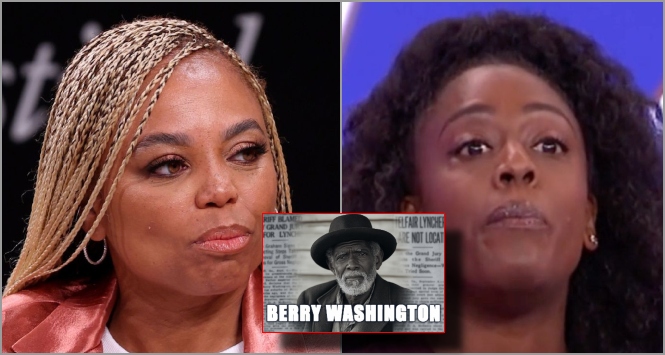
A viral game show slip-up has transformed into an unexpected moment of education on Black history.
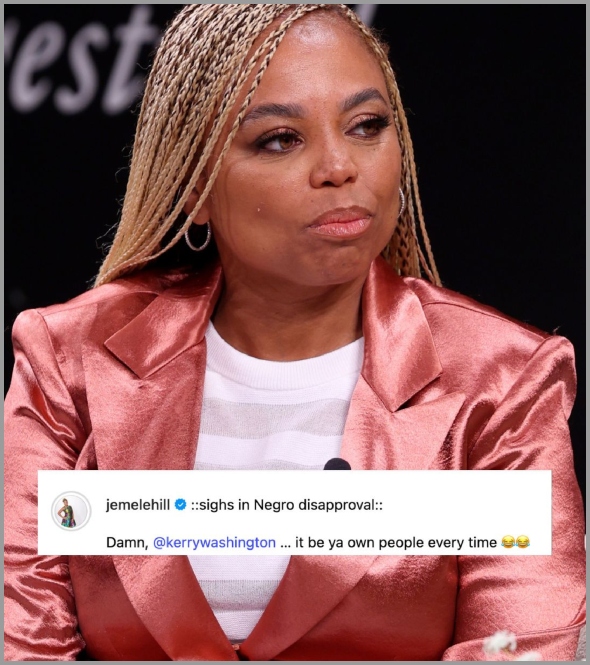
Contestant Shaneese Townsend became the subject of internet jokes after a 2024 episode of Wheel of Fortune resurfaced, in which she guessed “Berry Washington” instead of actress Kerry Washington. The clip, reshared by journalist Jemele Hill, quickly spread across social media, sparking playful criticism and commentary from fans and celebrities alike.
“Sighs in Negro disapproval,” Hill captioned the video, echoing the sentiment of thousands online who poked fun at Townsend’s answer.
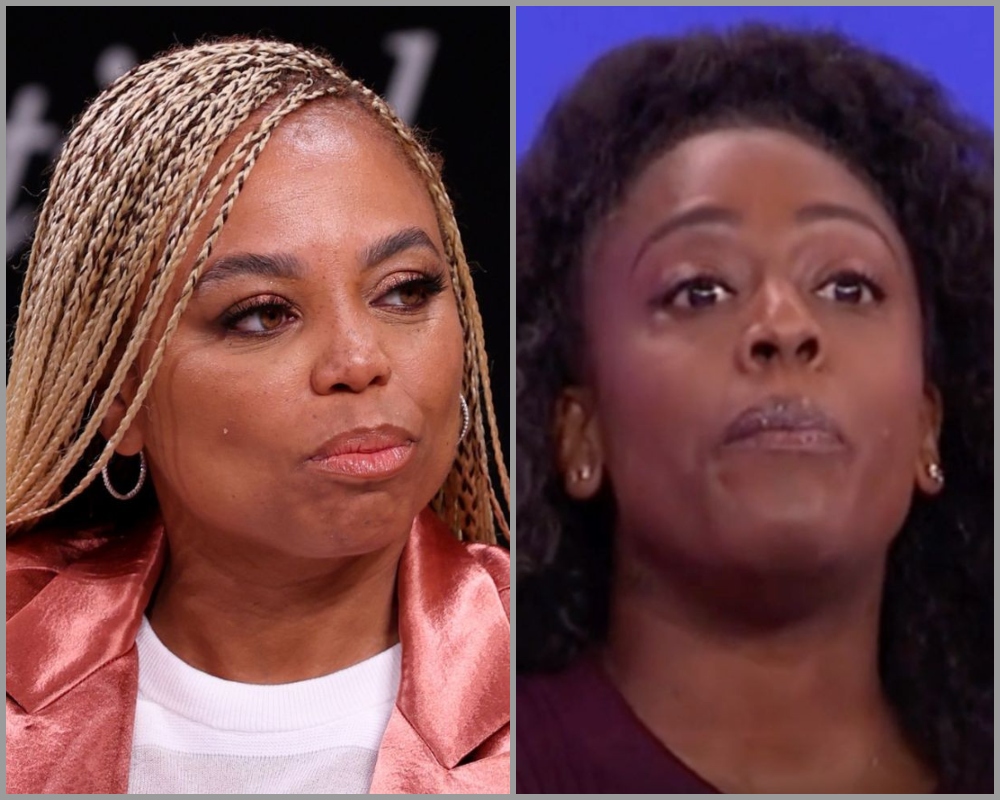
Many viewers roasted the contestant, with comments like “Now who the hell is Berry Washington? The only Berry we know is Gordy” and “Slowly yanking her card from her grips now…” circulating widely. Even high-profile voices like Joy Reid, David Alan Grier, Questlove, and others joined in on the jokes.
But the conversation shifted dramatically after Townsend herself reached out to Hill to explain the meaning behind her response.
“Berry Washington was a Black man lynched in the South for killing a white man that actually attacked two young girls,” Townsend wrote. “Much respect to Kerry Washington. I don’t watch much TV, but I read many books.”
Her message reframed the viral moment as an important reminder of forgotten history. Berry Washington, a 72-year-old Black man, was lynched in Milan, Georgia, on May 26, 1919, during the violent period of racial terror known as the Red Summer.
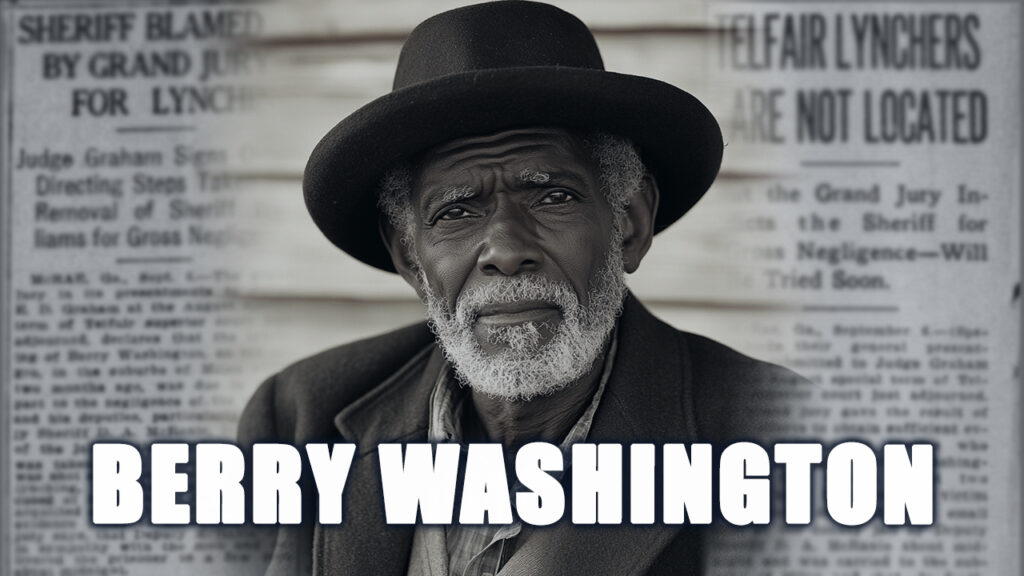
Once Hill shared Townsend’s explanation, social media reactions took a turn. Instead of mockery, many praised Townsend for offering a history lesson in the middle of a pop culture mix-up.
“Oh so she has a titanium Black card and we just basic members. Got it,” actress Amber Riley wrote in support.
Another user admitted, “Slowly handing the card I snatched back in embarrassment… ‘Here ya go, I don’t know what came over me.’”
What began as a lighthearted internet roast ultimately became a moment of historical reflection, showing how even a Wheel of Fortune mistake can lead to deeper conversations about racial violence, memory, and the importance of Black history.