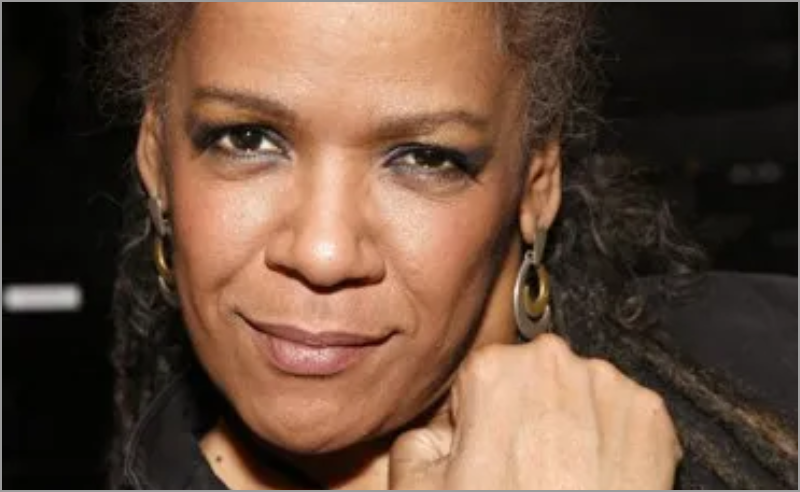
Sylvia Robinson didn’t just spot talent; she spotted the future. Long before hip-hop was a cultural force, or even a recognized genre, Robinson was the one who heard possibility in the rhythmic chants echoing through New York’s clubs and believed the world was ready for something new.
That conviction changed global music.
Robinson, who died in 2011, remains one of the most quietly influential architects of hip-hop. Her vision led to the creation of “Rapper’s Delight” and “The Message,” two records that didn’t simply introduce rap to mainstream America—they rewired the industry.
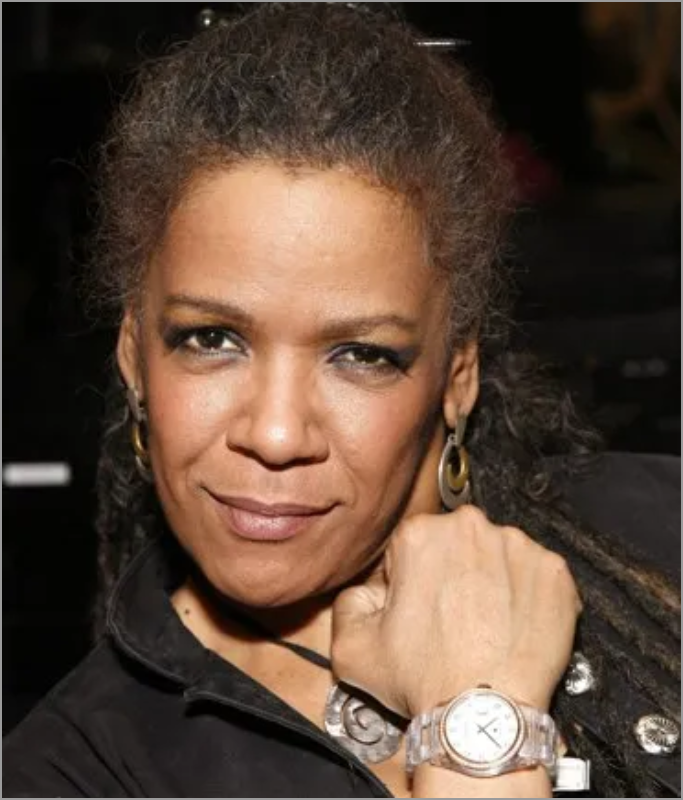
A Teenager With a Studio Ear
Born Sylvia Vanderpool in New York City, she stepped into the studio at age 14. By her mid-teens, she was recording blues tracks for Columbia Records and performing as “Little Sylvia.” She gained national attention in the 1950s as half of Mickey & Sylvia, the duo behind the 1957 No. 1 R&B hit “Love Is Strange.”
But Robinson was never content to “just” be an artist. She had the instincts of a producer long before women were welcomed in control rooms.
After marrying musician Joe Robinson in 1964, the pair built Soul Sound Studio in Englewood, New Jersey, and later launched labels including All Platinum—venues where Sylvia’s uncredited producing and songwriting skills quietly powered hits like “Love on a Two-Way Street.”
Her own 1973 sultry single, “Pillow Talk,” proved she could still command the spotlight whenever she wished.
Finding a New Sound in Late-1970s Harlem
By the late 1970s, Soul Sound was struggling. Disco’s dominance was slipping, the industry was shifting, and Robinson was looking for the next breakout. That’s when she stumbled into the rhythmic spoken-word performances DJs were doing in Harlem’s clubs—precursors to what would become rap.
She approached the scene’s two biggest stars, DJ Hollywood and Eddie Cheba. Both turned her down. They were making so much money from club nights that signing a record deal sounded like a step backward.
So Robinson did what all great visionaries do: she built something from scratch.
The Birth of the Sugarhill Gang
Back in New Jersey, her son Joey overheard Big Bank Hank rapping while working at a pizzeria. Sylvia added Wonder Mike and Master G, then recorded what became “Rapper’s Delight” over a groove adapted from Chic’s “Good Times.”
It was improvised. It was unpolished. And it was perfect.
Released in 1979 on the Robinsons’ new label, Sugar Hill Records—named after the historic Harlem neighborhood—the song sold eight million copies. It hit No. 4 on the R&B charts and reached the Billboard Hot 100.
More importantly, it introduced something totally new to mainstream America: rap as pop music.
“Rapper’s Delight” didn’t just chart; it detonated.
Then Came ‘The Message’
Robinson understood that hip-hop was bigger than party rhymes. In 1982 she produced Grandmaster Flash and the Furious Five’s “The Message,” a piercing look at poverty, inequality, and urban decay.
“Don’t push me ’cause I’m close to the edge…”
The song was urgent. Political. Unignorable.
It signaled to America—and the world—that hip-hop was not a fad. It was testimony.
A Legacy Too Often Overlooked
Despite her enormous influence, Robinson rarely receives the recognition afforded to male industry pioneers. Filmmaker Bayer Mack created a short tribute to her legacy, arguing she deserves far more credit—especially during Women’s History Month.
Many in Hollywood have noted that the character Cookie Lyon from Empire loosely echoes Robinson’s story: a brilliant, determined woman who a male-dominated industry could not box in.
Her life wasn’t without hardship. She divorced Joe Robinson in the 1980s. Soul Sound Studio—her creative and emotional investment—burned down in 2002. She passed away in 2011.
But her imprint on American culture is beyond measure.
Why Sylvia Robinson Still Matters
Robinson proved three things that remain true today:
1. Hip-hop didn’t begin as corporate product—it began as community energy.
She was the bridge between the streets of Harlem and the global stage.
2. Women built hip-hop too.
Not beside it. Not behind it. At the center of it.
3. Innovation often comes from those willing to bet on what no one else understands yet.
If Sylvia Robinson hadn’t believed in the sound of DJs talking over beats, pop culture might look profoundly different today.
Hip-hop’s rise wasn’t accidental. It was engineered by a woman who saw beauty in the voices everyone else ignored.