A powerful Instagram post by creator @burnedbeauty2018 is drawing wide attention for reframing the popular “soft life” trend through the lens of survival, recovery, and hard‑won autonomy.
In a video accompanying her post, the 52‑year‑old recounts rebuilding her life multiple times—not by choice, she says, but because abuse derailed her plans—before declaring that she is now intentionally creating a life that no longer requires starting over.
“I’ve reinvented myself three times in 52 years,” the creator wrote. “This time? I’m creating my own soft life… So I never have to rebuild again.”
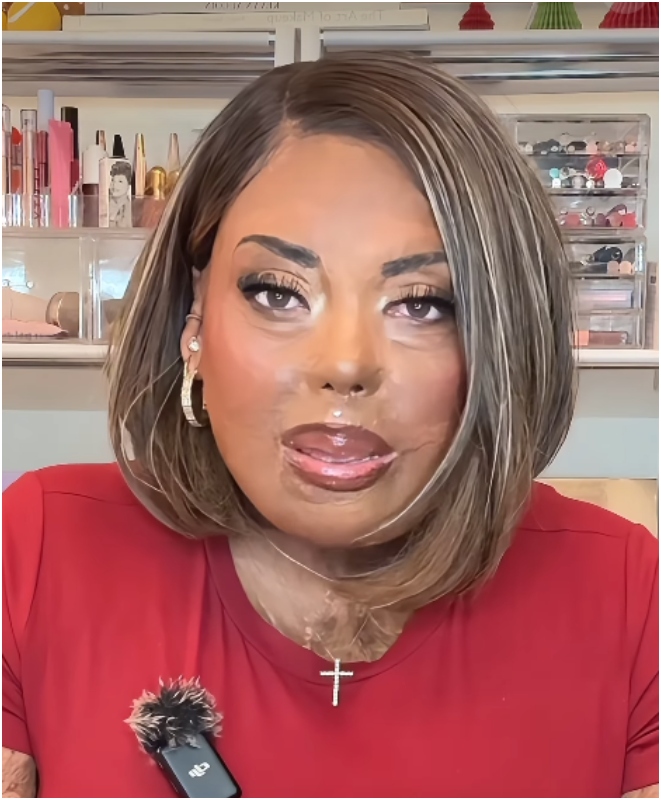
In the video, she describes a long marriage that appeared stable on the surface but was marked by emotional and psychological abuse. She recounts a turning point in late 2018, shortly after renewing her vows during a celebratory trip to the French, Italian, and Swiss Alps, when an incident left her with life‑threatening injuries and a prolonged hospital stay.
She says she initially accepted claims that what happened was an accident and believed promises of care and change, only to later recognize patterns of manipulation and exploitation during her recovery.
Without graphic detail, the creator explains that she faced months of rehabilitation—learning to walk, eat, and function again—while contending with betrayal and substance misuse by her partner. Her message to viewers is direct: abuse does not always look the way people expect, and a picture‑perfect life can conceal profound harm.
The post arrives amid a broader cultural conversation about the meaning of a “soft life,” a phrase popularized online to describe intentional living centered on peace, boundaries, and emotional safety. Critics have noted that the trend is sometimes framed as being “taken care of” by a partner; supporters argue it’s about agency and self‑preservation. @burnedbeauty2018’s account challenges the former framing, stating that dependence can be dangerous when power is imbalanced.
Advocates say stories like this resonate because they underscore a reality often missed in public discussions of abuse: many survivors were not subjected to constant physical violence, but to coercion, control, and emotional harm that eroded their judgment over time. Research from domestic‑violence prevention organizations consistently finds that psychological abuse can be as damaging as physical harm, particularly when paired with isolation and financial or medical vulnerability.
The creator closes her video with encouragement to others navigating similar circumstances, reminding viewers that survival is not a failure of judgment and that change—even after devastation—is possible.
Her post has prompted thousands of comments offering support, gratitude, and reflection, as well as renewed calls for greater awareness of non‑physical forms of abuse and the complexities survivors face when leaving.