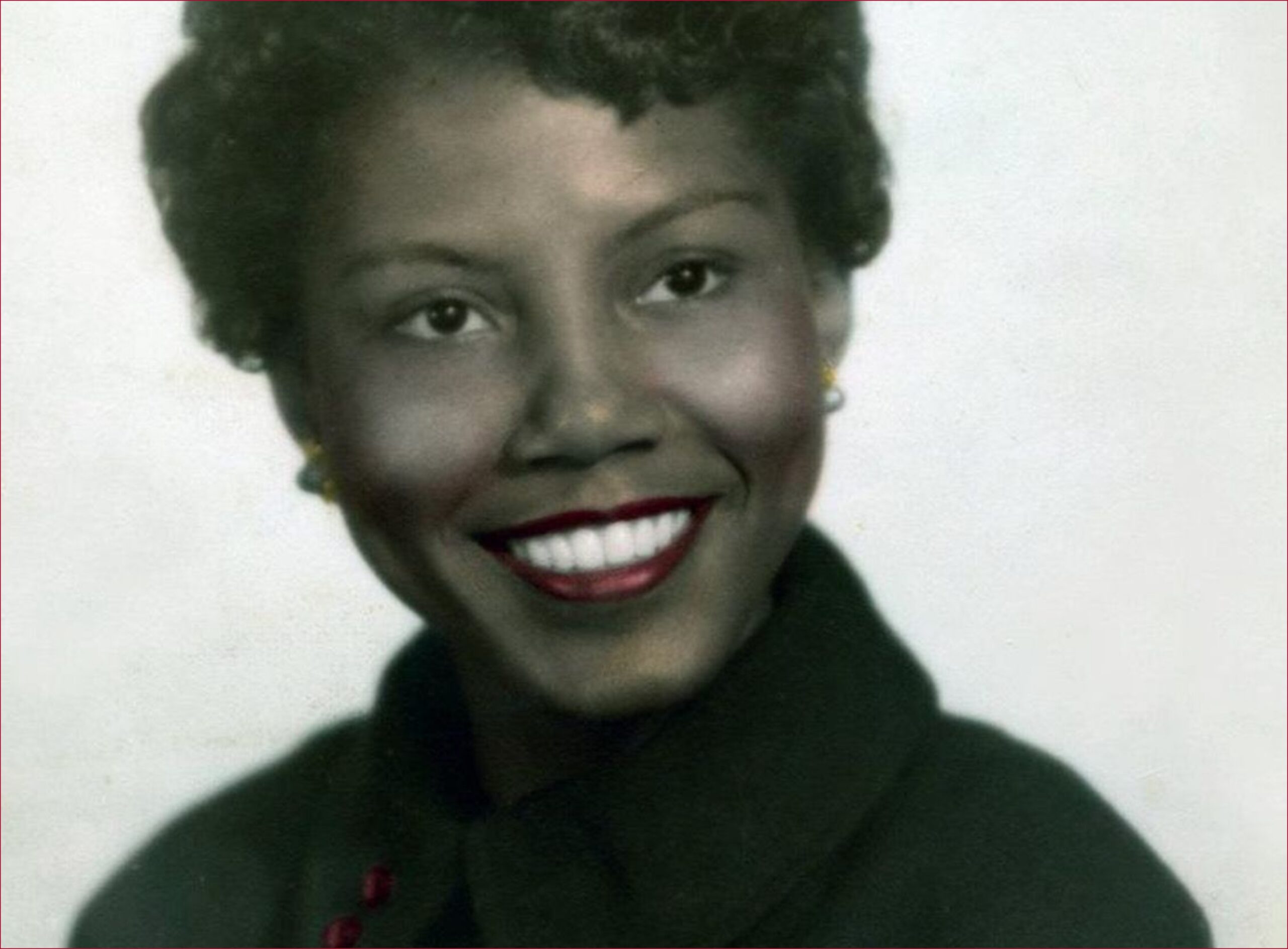
More than 60 years after civil rights activist Marion King was beaten by police while pregnant, newly released Justice Department records are forcing a renewed reckoning with one of the most disturbing and least remembered acts of state violence from the Jim Crow era.
The files, released by the Civil Rights Cold Case Review Board, revisit the 1962 assault in Camilla, Georgia, where King was attacked by local law enforcement officers during a peaceful visit connected to civil rights protests.
Despite the severity of the violence and the national attention it drew at the time, no officer was ever arrested or prosecuted.
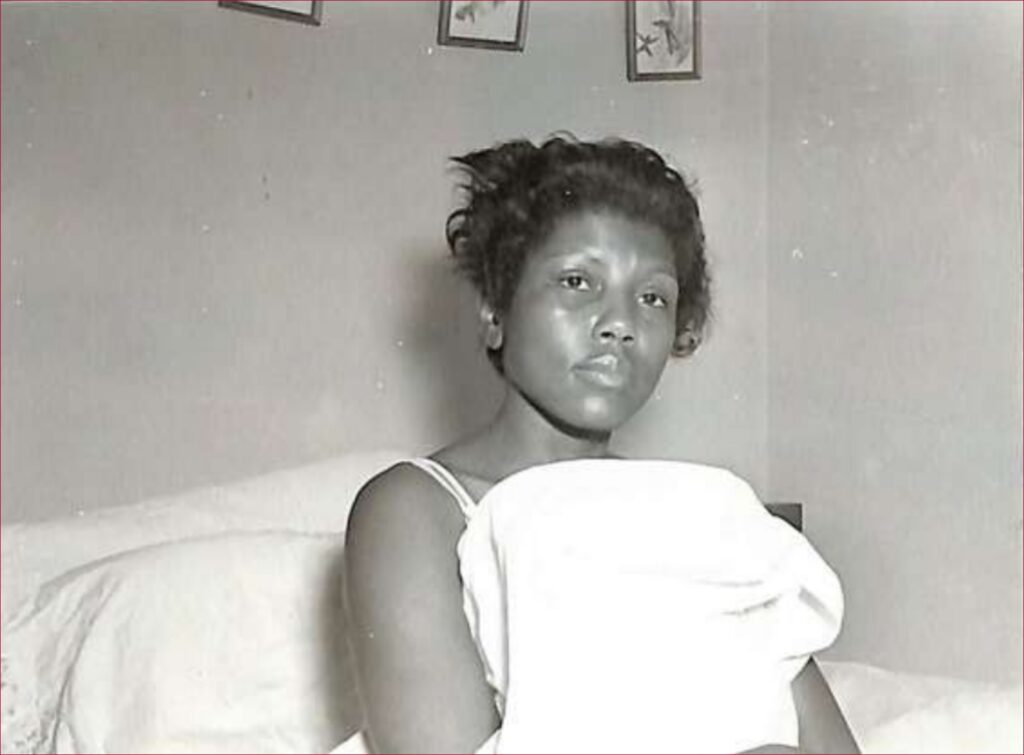
A Pregnant Woman Targeted by Police
Marion King, the wife of civil rights leader Slater King, was five and a half months pregnant when the attack occurred. According to testimony and contemporaneous reporting, she had traveled with her young son to Camilla to support the family of a jailed protester, part of the broader Albany Movement challenging segregation across southwest Georgia.
Her son, Jonathan King, who was just five years old at the time, later recalled watching officers kick and stomp his mother while she lay unconscious on the ground.
“They began to kick my mother while she was laying on the ground,” he said in the video accompanying the newly released records. “She was pregnant.”
Hospital footage from the time captured Marion King calmly describing the assault, even as she confirmed she was expecting a child. Months later, when it came time to give birth, she lost the baby, a tragedy her family has long linked to the injuries she sustained during the beating.
No Accountability, Despite National Attention
The attack on Marion King reverberated far beyond Camilla. It drew the attention of the White House, the Justice Department, and prominent civil rights leaders, including John Lewis, who cited the incident during the 1963 March on Washington as an example of unchecked racial violence by law enforcement.
Yet the newly released records make clear that federal authorities declined to bring charges, citing insufficient evidence to overcome local resistance and legal barriers that routinely shielded white officers accused of abusing Black citizens.
“No one was ever prosecuted. No one was ever arrested,” Jonathan King said. “That’s something you carry with you your whole life.”
Why the Case Is Being Revisited Now
The Civil Rights Cold Case Review Board was established to reexamine unresolved cases of racial violence from the civil rights era. While the passage of time makes prosecutions unlikely, the board’s mandate includes documenting the truth, identifying institutional failures, and providing families with long-withheld answers.
For the King family, the release of the files does not offer closure, but it does confirm what they have always known: that the system failed Marion King at every level.
“It doesn’t bring full closure,” Jonathan King said, “but it brings answers.”
A Gendered and Racialized Act of Violence
Historians and civil rights scholars note that Marion King’s case represents a particularly stark example of gendered racial violence, where Black women activists were targeted not only for their political involvement but also subjected to physical abuse that exploited their vulnerability.
The beating of a pregnant woman by police, followed by the loss of her child and the absence of legal consequences, underscores what many advocates describe as a long pattern of state-sanctioned violence against Black women that has often been erased from mainstream civil rights narratives.
Trauma That Outlives the Headlines
As public attention again turns to police violence in the United States, Marion King’s story serves as a reminder that trauma does not expire, even when justice is delayed indefinitely.
“Years can go past, but trauma lingers,” Jonathan King said. “And trauma in the Black community definitely needs to be addressed.”
The newly released Justice Department records may not change the outcome of the case, but they ensure that what happened to Marion King is no longer buried — and that her suffering is finally acknowledged as part of the historical record.