
Ask most people to picture a Colombian, and names like Karol G, J Balvin, or Shakira probably come to mind.
But step into the sun-drenched streets of Cartagena, and the picture changes dramatically—revealing one of Latin America’s most vibrant Afro-descendant communities, often overlooked by global media and complexion privilege.
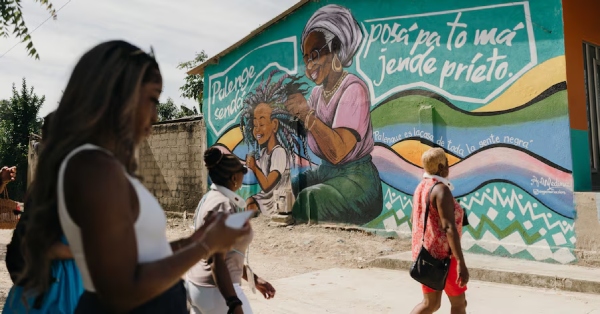
In a captivating new Instagram Reel, journalist and travel storyteller Nicole Philip (@ncolphillip) shines a spotlight on this hidden reality.
“If you come to a city like Cartagena, you realize many Colombians also look like me,” she says, explaining that Colombia is home to one of the largest Afro-descended populations outside Africa—yet that diversity rarely dominates the international image of the country.

Just 45 minutes outside Cartagena lies San Basilio de Palenque, the first legally free Black town in the Americas. Founded in the early 1600s by formerly enslaved Africans who escaped Cartagena under the leadership of Benkos Biohó, Palenque fought off repeated Spanish attempts to destroy it.
After decades of resistance, Spain signed a treaty recognizing its freedom—centuries before Haiti became the first free Black republic.
Inside Palenque, residents built their own systems of governance and developed Palenquero, a Creole language blending Spanish with Bantu roots from Central Africa. Today, the iconic Palenquero dresses—bold, multicolored, and instantly recognizable—have become a national symbol of Colombia, appearing everywhere from tourism ads to social media feeds.
But as Philip points out, these cultural icons are far more than photogenic.
“Their existence is more than a photo op,” she says. “It symbolizes Black history and pride in a nation that owes its entire existence to both.”
The video has ignited fresh conversation among travelers and cultural enthusiasts, urging visitors to go beyond Cartagena’s famous walled city and explore Palenque—a living monument to resistance, resilience, and Afro-Colombian heritage.
For anyone planning a trip to Colombia, Cartagena and Palenque together offer an unforgettable journey into the country’s true multicultural soul—one that challenges stereotypes and celebrates a history too often left out of the guidebooks.

