Black women in the United States are experiencing a sharp rise in unemployment, with analysts estimating that hundreds of thousands were pushed out of the workforce in 2025 alone.
Recent labor data indicates that as many as 600,000 Black women—many of them college-educated—have been economically sidelined, raising concerns about structural inequities in hiring, layoffs, and workplace protections.
Among those affected is Shana Pinnock-Glover, a 38-year-old professional based in Atlanta, who says she was laid off while on medical leave, undergoing treatment for Breast Cancer.
“I thought FMLA was to protect me from something like this,” Pinnock-Glover said, referring to the Family and Medical Leave Act. “But when it’s couched in a mass layoff, then it is completely legal.”
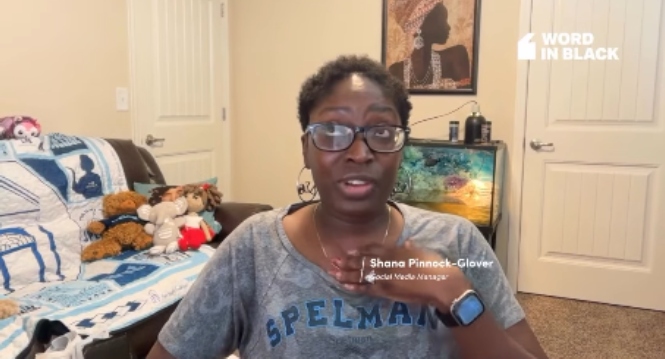
Her layoff came amid a broader wave of job cuts that has disproportionately impacted Black women across industries. Pinnock-Glover said the experience forced her to search for work while undergoing chemotherapy, dealing with hair loss, and trying to maintain her mental health.
The situation is compounded by household strain. “I got laid off February 2025. My husband got laid off November 2025… so now we’re just sitting here looking at each other,” she said.
Economists point to a combination of policy shifts and technological disruption as key drivers. Gary Hoover, executive director of the Murphy Institute at Tulane University, attributes much of the job loss in 2025 to federal policy changes and corporate responses.
He argues that cuts to diversity, equity, and inclusion (DEI) initiatives under the administration of Donald Trump signaled a broader rollback in corporate diversity efforts. At the same time, companies increasingly cited gains from artificial intelligence as justification for layoffs.
“We’re in this AI revolution and companies are laying people off,” Hoover said, noting that productivity gains from AI have not yet clearly translated into broader economic growth.
Despite claims of a strong labor market—including statements from Trump that more Americans are working than ever—recent reports show contradictions. The U.S. economy reportedly lost 92,000 jobs in February, underscoring ongoing instability.
For many Black women, the job search has become increasingly difficult. Pinnock-Glover said she has applied to more than 800 positions, navigating what she described as “ghost listings,” scam recruiters, and automated screening systems.
“Looking for a job is a full-time job… it is depressing, it is dehumanizing,” she said.
She also highlighted a troubling trend on professional networking platforms, where job seekers express financial distress and uncertainty about their futures.
“I’ve seen people… say they’ve drained their savings… and are a week away from being unhoused,” she said.
Some experts suggest entrepreneurship as an alternative, noting that Black women have launched businesses at higher rates than any other demographic in recent years. However, barriers remain, including limited access to capital and lower average revenues.
At this stage, Pinnock-Glover says entrepreneurship is not a viable option. “I don’t feel like having the capacity to embrace the entrepreneur lifestyle,” she said.
As layoffs persist and hiring challenges grow, advocates warn that without targeted interventions, Black women could continue to bear a disproportionate share of economic disruption in the evolving labor market.