
A relationship therapist on Instagram has shared what she described as a sobering realization about the emotional tensions between some Black women and Black men online.
Amari, known on Instagram as @amarithetherapist, said the reaction to her recent relationship and therapy-focused videos revealed deep resentment, skepticism, and unresolved pain surrounding Black family dynamics and relationships.
“I did not realize how hated Black men were by Black women,” Amari said in a video posted to her platform. “It saddened me, but I now understand.”
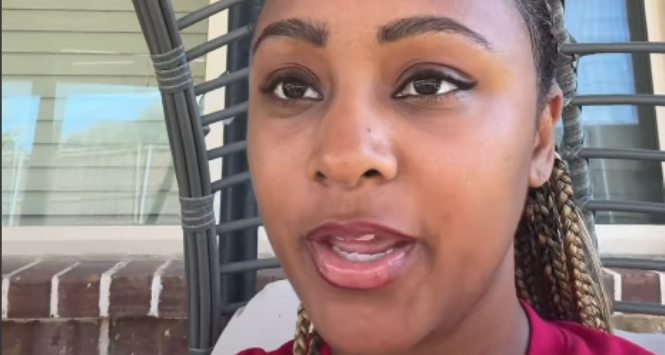
The therapist explained that the realization came after she published a series discussing her husband’s upbringing by a single mother and another video centered on Black men in therapy.
According to Amari, many of the comments she received from women referenced absentee fathers, broken homes, and emotional abandonment.
“A lot of them brought up generalizations about Black men creating broken homes and leaving more baby mamas and babies out there,” she said.
At the same time, Amari said many men appeared surprised that someone was attempting to offer empathy and understanding toward Black men’s mental health struggles.
“I kept receiving comments full of skepticism from men saying, ‘Are you really trying to give us grace? Are you really trying to understand us?’” she explained.
One comment that particularly stood out to her read: “It’s definitely rare when a black woman takes time to understand and hear us.”
The discussion has resonated across social media platforms, where conversations about dating, co-parenting, masculinity, trauma, and emotional labor within the Black community continue to dominate online discourse.
Amari suggested that generational shifts may be changing relationship dynamics among younger Black adults.
“I feel like millennials and Gen Z are swinging the pendulum the other way from Xers and boomers because they’re trying to be in their children’s lives,” she said. “They’re not trying to have these broken homes. They’re trying to make it work with their partners.”
Her comments arrive amid growing public conversations around Black men’s mental health, fatherhood, therapy participation, and the long-term emotional effects of fractured family structures.
Mental health advocates have increasingly pointed out the importance of creating safe spaces for Black men to discuss vulnerability, trauma, and emotional wellness without stigma.
Despite the controversy generated by her remarks, Amari made clear that her focus remains rooted in healing rather than division.
“I’m a big advocate for all men’s healing,” she said.
The video has since drawn thousands of reactions online, with some viewers praising the therapist for addressing difficult conversations surrounding gender relations in the Black community, while others argued her views oversimplified the historical and social factors contributing to distrust between Black women and Black men.

