
A wave of highly publicized killings involving Black women and their intimate partners is forcing painful conversations across the country about domestic violence, survival, and what advocates call the overlooked crisis of Black femicide.
For Miami radio personality Cindy Doucet, widely known to listeners as SupaCindy of 99 Jamz, the headlines feel deeply personal.
“Why am I still alive? Because that could have been my story,” Doucet told the Miami Herald while reflecting on the recent deaths of several Black women allegedly killed by their partners.
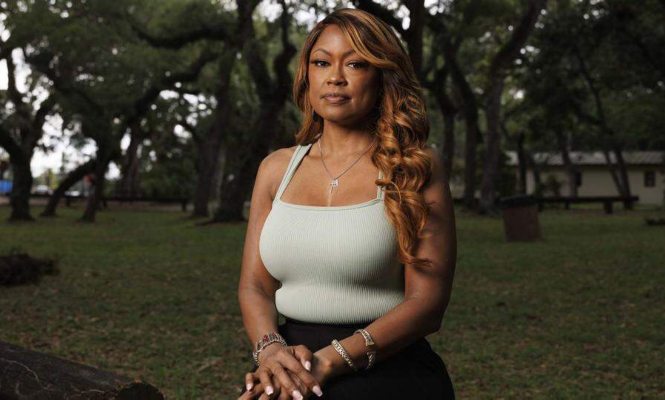
Doucet revealed that she spent eight years trapped in a physically and emotionally abusive relationship, often living in fear after leaving work.
“Many days when I left work I’d be afraid to go home, and I would just sit in a Target parking lot or go walk around Marshalls to kill time,” she said. “Suffering in silence is the worst thing because in front of everybody, you’re smiling.”
Her comments come as multiple cases involving Black women killed by intimate partners have dominated headlines in recent months.
Among them was Nancy Metayer, the Coral Springs, Florida, vice mayor whose husband has been accused of fatally shooting her while she slept in bed. Other widely discussed cases include Virginia dentist Cerina Fairfax, influencer Ashlee Jenae, who was reportedly killed during a trip to Zanzibar with her fiancé, and Shaneiqua Pugh, whose death alongside eight children shocked communities nationwide.
The cases have fueled broader awareness around Black femicide, a term used to describe the intentional killing of Black women and girls rooted in misogyny, gender-based violence, and systemic inequality. Advocates say these crimes are often committed by intimate partners and receive less sustained public attention than similar cases involving white victims.
For survivors like Doucet, the deaths are not simply news stories. They are reminders of how easily abuse can escalate into deadly violence.
“It was my escape to be at work, to be at a public event, forgetting my reality,” she said.
Domestic violence experts have long warned that leaving abusive relationships can be one of the most dangerous periods for victims. Fear, financial instability, emotional manipulation, public image concerns, and lack of support often make it difficult for survivors to safely exit abusive situations.
The conversation surrounding Black femicide also highlights broader systemic issues, including limited mental health resources, cultural stigma surrounding abuse, economic vulnerability, and the underreporting of violence against Black women.
Advocates argue that Black women frequently face unique barriers when seeking help, including distrust of law enforcement, fear of community judgment, and societal pressure to appear “strong” despite abuse.
The emotional toll of these experiences can remain hidden for years.
Doucet said that while she did not personally know the women whose deaths made headlines, their stories forced her to confront how close she once may have been to a similar fate.
Across social media, many Black women have echoed those same fears, sharing personal experiences of surviving abusive relationships and mourning women whose lives ended before they could escape.
As awareness grows, advocates are calling for expanded domestic violence resources, survivor-centered support systems, culturally competent counseling services, and more public conversations specifically addressing violence against Black women.
For many survivors, the recent tragedies are a painful reminder that behind polished public images and smiling social media posts, countless women may still be suffering quietly behind closed doors.