
Conservative commentator Candace Owens is drawing national attention after sharply breaking with former ally Donald Trump, calling for his removal from office following a series of controversial statements about Iran.
In a strongly worded post on X, Owens wrote:
“The 25th Amendment needs to be invoked. He is a genocidal lunatic. Our Congress and military need to intervene. We are beyond madness.”
The statement marks a dramatic reversal for Owens, who previously praised Trump as a defender of Western values.
Escalating Rhetoric Fuels Backlash
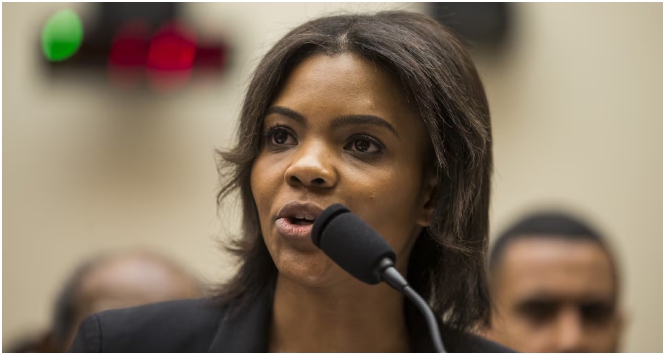
Owens’ comments come in response to a series of incendiary statements by Trump regarding Iran, including a warning suggesting the potential destruction of the country’s civilization.
According to reporting by The New York Times, Trump’s remarks—delivered via social media—raised alarm among legal experts and policymakers, with some warning that such threats could constitute violations of international law if carried out.
Despite the rhetoric, Trump later announced a proposed two-week cease-fire initiative involving Pakistan, signaling a shift back toward diplomacy after days of escalating tensions.
Legal and Constitutional Implications
Owens’ call to invoke the 25th Amendment places her among a growing number of political figures questioning Trump’s fitness for office.
The 25th Amendment provides a constitutional mechanism for removing a president deemed unable to perform the duties of the office, though it requires action by the vice president and a majority of the Cabinet or Congress.
Other public figures and lawmakers have also floated similar measures, while some Democrats have renewed calls for impeachment or legislative efforts to limit presidential war powers.
Criticism Across Political Lines
Trump’s recent statements have drawn criticism from both sides of the political spectrum. Media personalities, lawmakers, and policy experts have raised concerns about the potential global consequences of such rhetoric.
Some Republicans have suggested the remarks may be strategic posturing aimed at pressuring Iran, while others have expressed unease about the tone and implications.
Legal scholars note that threats targeting civilian infrastructure or entire populations could fall under the definition of war crimes under international humanitarian law.
Global and Domestic Stakes
The controversy highlights ongoing tensions over U.S. foreign policy, executive power, and the limits of presidential authority in military decision-making.
Analysts warn that even unexecuted threats can damage diplomatic credibility and strain alliances, particularly in volatile geopolitical contexts involving critical waterways like the Strait of Hormuz.
As debate intensifies, Owens’ remarks underscore a notable shift within Trump’s base—reflecting broader divisions over strategy, rhetoric, and the potential consequences of U.S. actions abroad.