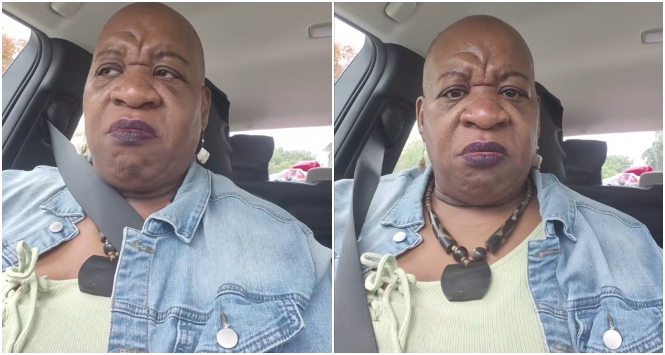
A blunt and emotional video from TikTok user Marilyn Thrower is going viral for being both hilarious and serious at the same time.
In the video, Marilyn voiced frustration with what she described as unacceptable behavior within parts of the Black community that she believes reflects poorly on the group as a whole.
“I’m so sick of some of our Black people,” she said in the now-viral clip. “Y’all make me ashamed that we share the same… skin.”
A Raw Expression of Frustration
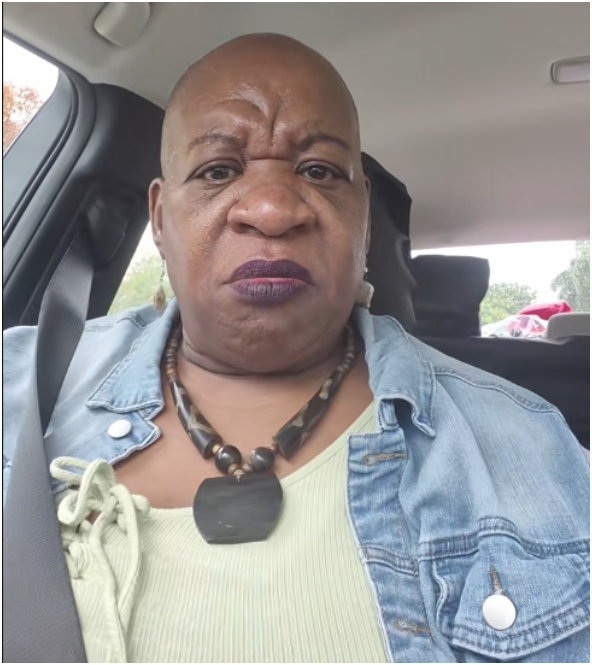
In the video, Thrower criticized what she characterized as a lack of decorum, citing public behavior, dress, and community upkeep as key concerns. She described feeling disillusioned after years of advocacy, saying her frustration has grown over time.
“I used to advocate for us as Black people,” she said, adding that she now feels unfairly grouped with behaviors she does not identify with.
Her comments, while directed at a subset of individuals, have ignited widespread reactions across social media platforms.
Divided Reactions Online
The video has drawn sharply mixed responses. Some viewers expressed agreement, interpreting her remarks as a call for accountability and higher standards within the community.
“You’re telling the truth, sister,” commented one person.
“See this woman looks like she has class and we’ll dressed she’s beautiful 💯❤️,” said another person.
A few others criticized the tone her delivery, arguing that such statements reinforce harmful stereotypes and echo long-standing debates around respectability politics.
Scholars in Sociology note that discussions like these are not new. The concept of “respectability politics,” the idea that marginalized groups must conform to certain behavioral norms to gain social acceptance, has been debated for decades.
Critics of this perspective argue it places undue responsibility on individuals rather than addressing systemic inequities, while supporters contend it can be a tool for community uplift and self-determination.
Broader Cultural Context
Thrower’s remarks also touched on migration patterns within communities, suggesting that some individuals choose to leave predominantly Black neighborhoods in search of different environments for their families.
Experts caution that such decisions are influenced by a wide range of factors, including economic opportunity, education, housing, and public safety—not solely cultural dynamics.
Social Media as a Forum for Internal Dialogue
The viral nature of the video highlights how platforms like TikTok have become spaces for internal community conversations—often unfiltered and emotionally charged.
While some see these discussions as necessary for growth and accountability, others warn that airing grievances publicly can deepen divisions or be misinterpreted outside their intended context.