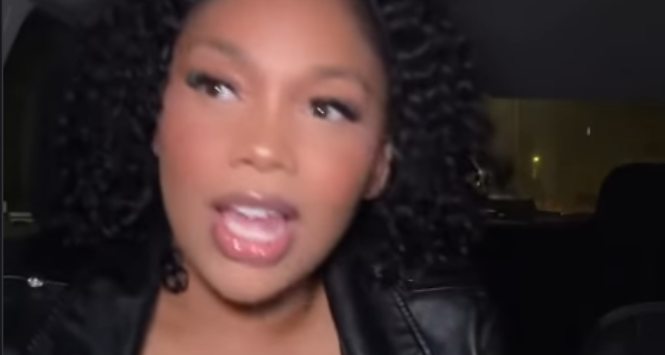
A social media creator’s candid remarks about the challenges Black creators face online are gaining traction online.
Artist and content creator Addy recently shared a video expressing frustration over what she perceives as unequal opportunities for Black creators trying to grow their platforms.
Her comments have sparked conversations among content creators who say they often struggle to achieve the same reach and engagement as their peers despite producing high-quality content.
“Being a Black creator is not for the faint of heart because we have to work two million times harder,” Addy said in a video posted to social media.
Frustration Over Engagement Gaps
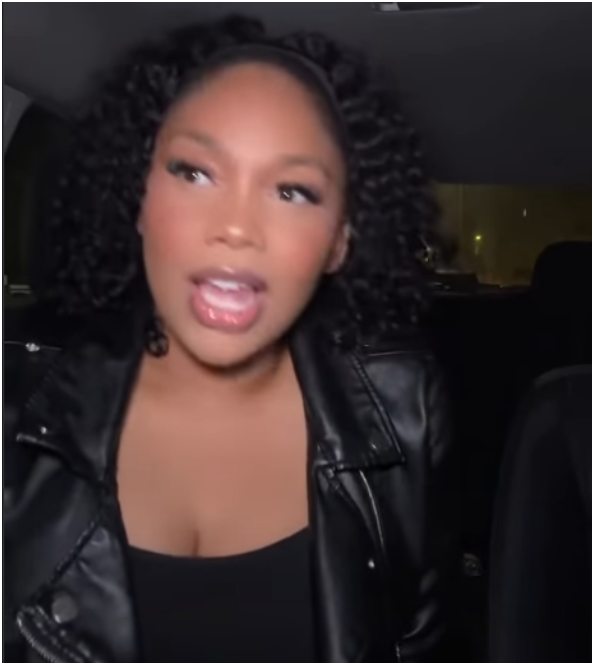
In her video, Addy argued that many Black creators, particularly Black women, face significant barriers when trying to build an audience online.
She contrasted her experiences with what she sees happening to some non-Black creators, suggesting that certain creators appear to gain traction more easily regardless of the type of content they produce.
“I’ll be seeing some of the palm-colored folk,” she said. “They could do any little thing and get likes, get engagement, get views.”
Meanwhile, she said, many creators of color struggle to achieve even modest audience engagement despite investing substantial effort into their work.
“A lot of us, like people of color, but especially Black women, can’t even crack like 200 or 300 views, more than 30 likes,” she said.
A Broader Conversation About Representation
Addy’s comments tap into a longstanding debate about how social media platforms distribute visibility and whether certain groups face disadvantages in reaching wider audiences.
Researchers, advocacy groups, and creators have for years raised questions about algorithmic bias, content moderation practices, and disparities in audience growth across race and gender lines.
While social media companies generally maintain that their algorithms prioritize user interests and engagement signals rather than race, many creators have reported experiences that they believe suggest otherwise.
For Black creators, concerns often extend beyond audience reach to issues of monetization, brand partnerships, and recognition for trends and creative ideas that later become mainstream.
“We’d Be Out Here Actually Giving Information”
Addy stated that her frustration is not simply about popularity metrics but about what she views as a disconnect between the quality of content being produced and the attention it receives.
“We’d be out here actually giving information, funny, have a lot of personality, all of the above,” she said. “And we just get no attraction.”
Her comments reflect concerns shared by many creators who feel that educational, inspirational, or culturally relevant content often struggles to gain visibility compared to more sensational or trend-driven posts.
The Emotional Toll of Content Creation
Beyond the numbers, Addy spoke about the emotional impact of feeling overlooked despite consistent effort.
“It breaks my heart,” she said. “It breaks my heart that this is a struggle that we have in every single facet of life.”
She described the challenge as part of a broader pattern of obstacles that many Black people encounter beyond social media platforms.
“There’s no area of life where we just have it easy,” she added.
A Conversation Resonating Across Platforms
The video has prompted responses from creators who shared similar experiences navigating social media growth, particularly those from historically underrepresented communities.
Many commenters echoed Addy’s sentiments, describing difficulties gaining traction despite posting regularly, investing in professional-quality content, and following platform growth strategies.
Others argued that audience preferences, niche selection, and platform dynamics may play a larger role than race alone, highlighting the complexity of measuring success in today’s creator economy.
Regardless of differing viewpoints, Addy’s remarks have fueled renewed discussion about equity in digital spaces and whether social media platforms are providing equal opportunities for all creators to be seen and heard.
For many who joined the conversation, the central issue was captured in one of Addy’s most memorable observations: that Black creators often feel they must work significantly harder simply to receive the same level of attention that others obtain more easily.