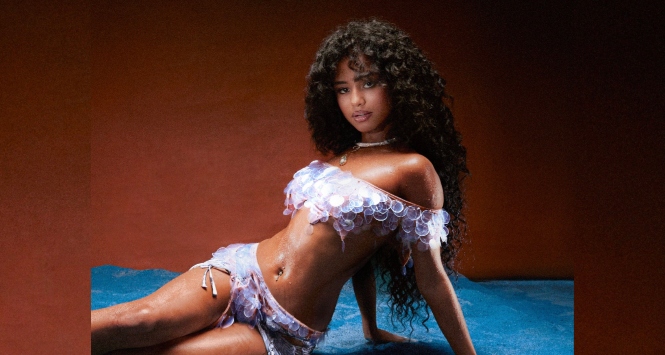
Tyla’s career has been a rollercoaster, from her hit single “Water” to a massive online debate about her racial identity. Now, her first-week album sales have the internet in a frenzy, and fans are pointing to her “Colored” comments as the reason for the flop.
Now, the internet is debating whether the disappointing sales have less to do with music and more to do with race.
Tyla’s debut EP, WWP – EP, sold only 3.7K units in the U.S. in its first week of release. This is a far cry from the success of her debut single “Water,” which has over 670 million streams on Spotify. The low numbers have many fans, especially Black American women, attributing the sales to her racial ambiguity and recent comments about her identity.
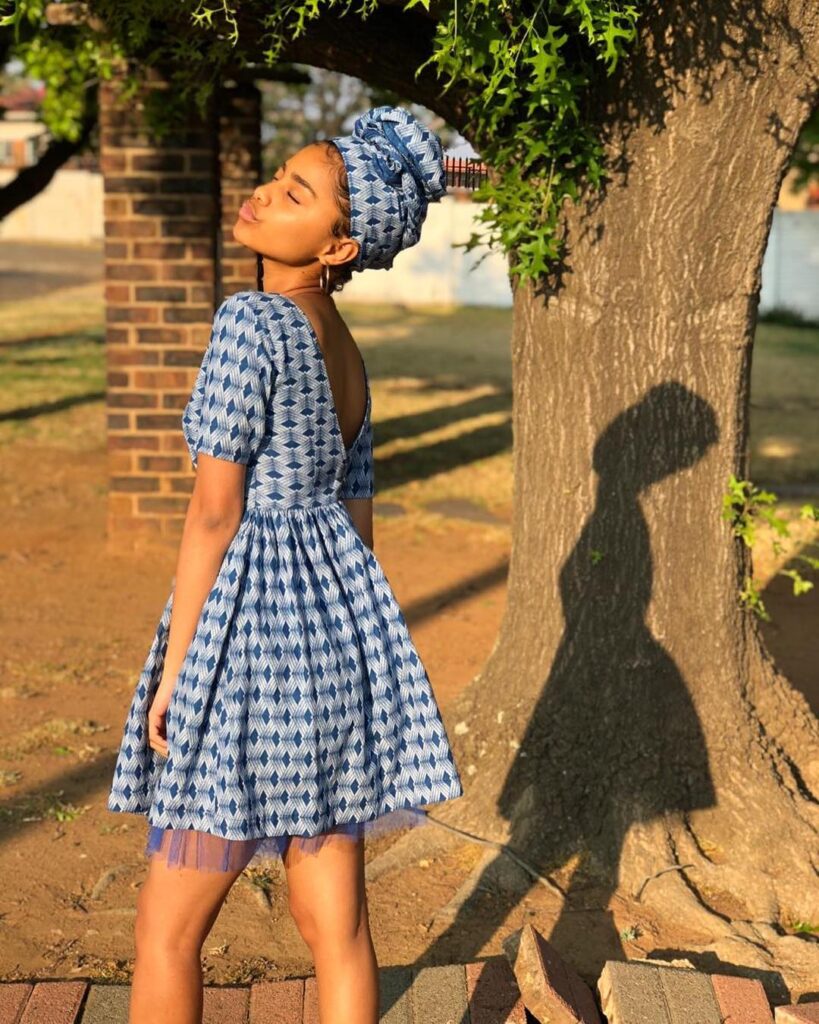
The controversy started when Tyla’s online followers accused her of colorism after her debut single and album gained popularity. In a response on X (formerly known as Twitter), Tyla sought to clarify her identity and cultural background. “Yoh guys. Never denied my blackness, idk where that came from. I’m mixed with black/Zulu, Irish, Mauritian/Indian, and Coloured,” she stated.
She went on to explain that in South Africa, she would be classified as a “Coloured” woman, but in other places, she would be classified as a Black woman. She also stated that she is “both Coloured in South Africa and a black woman.”
In South Africa, this “Colouredness” isn’t a slur. It’s part of the country’s cultural fabric. But to a U.S. audience, where “colored” carries Jim Crow-era wounds, the word lands differently. And when Tyla seemed to firmly separate herself from Black American women, some felt a line had been drawn.
Adding to the controversy is the fervent defense Tyla receives from her South African fans online. For South Africans, defending Tyla is personal. She’s seen as a cultural icon, and her fans online go to war for her. But here’s where it gets messy: critics argue that some of that fierce defense also comes with undertones of colorism, privileging lighter skin and certain beauty standards.
To many in the U.S., Tyla’s identity talk feels like a rejection of shared Blackness. And when an artist’s image fails to reflect the audience’s lived experience, loyalty can be difficult to sustain, especially in a market as competitive as American pop and R&B.
Instead of leaning into the conversation about identity, Tyla’s team seems to have kept her in a protective bubble. That may have shielded her from online ugliness, but it also kept her away from an important and potentially unifying dialogue. For an artist building a global brand, that distance may have cost her so much more.
Tyla’s case is more than a sales story. It’s a real-time lesson on how race, language, and culture don’t always translate neatly across borders. She’s talented, beautiful, and has star quality.
But in today’s music industry, audiences often want more than just good songs. They want to feel like the artist gets them.