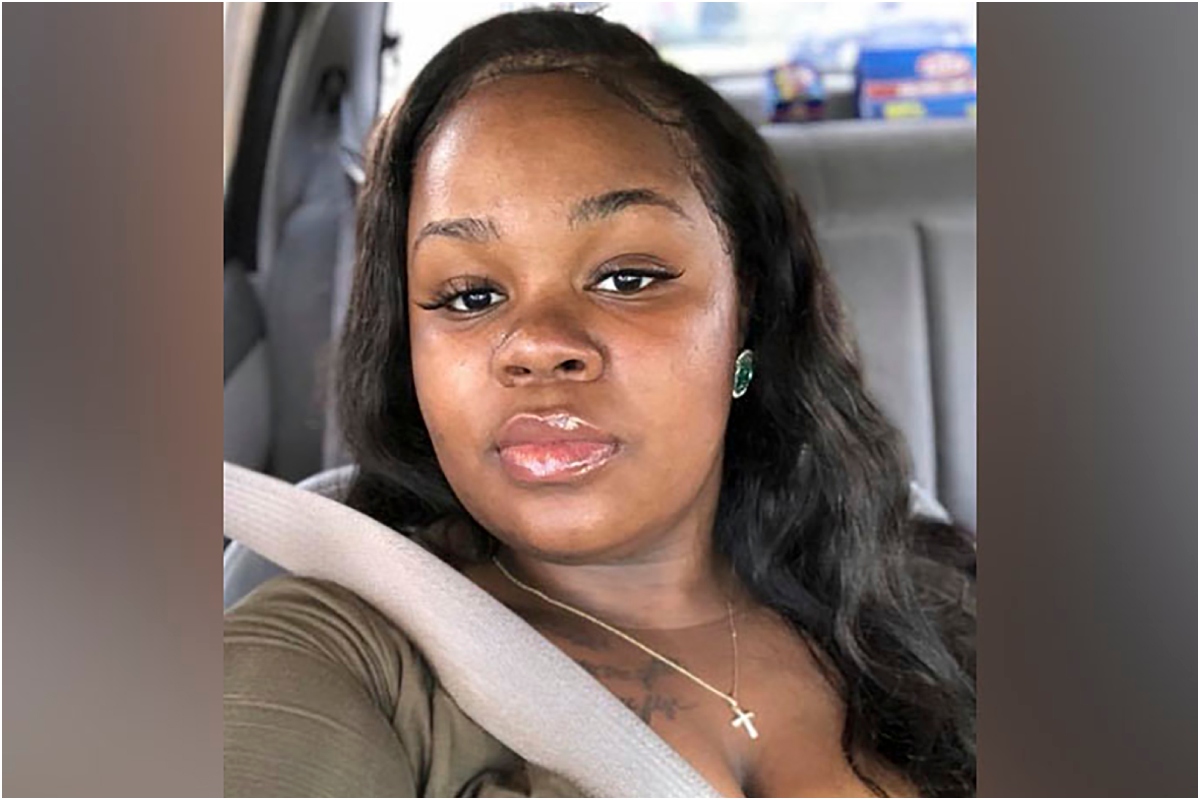
More than five years after Breonna Taylor was killed during a late-night police raid in Louisville, her name is back at the center of a national debate over justice and accountability.
The U.S. Department of Justice is asking for the release of the only officer ever convicted in connection with the raid.
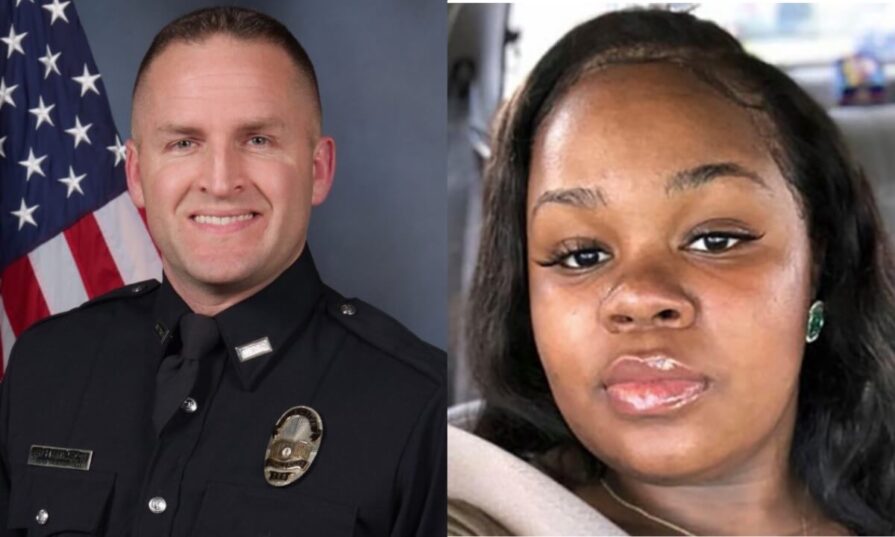
The DOJ filed a brief on Friday, Nov. 14, 2025, urging the Sixth Circuit Court of Appeals to free former Louisville detective Brett Hankison while he appeals his 33-month sentence for using excessive force. Hankison fired 10 rounds through Taylor’s covered windows and a sliding door during the March 2020 raid, sending bullets into a neighboring apartment and endangering two people inside.
Taylor, a 26-year-old ER technician with dreams of advancing her medical career, died moments later when two other officers returned fire after her boyfriend shot once, believing intruders were breaking into their home. Her death ignited a massive wave of national protests and thrust Louisville into the heart of the movement demanding police reform.
A Surprise Shift by Federal Prosecutors
The Justice Department’s decision to seek Hankison’s release marks a dramatic shift in a case the agency spent years prosecuting. In July, prosecutors stunned observers by asking the trial judge to give Hankison no prison time at all—an request U.S. District Judge Rebecca Grady Jennings rejected, calling the DOJ’s stance dangerously dismissive of the former officer’s actions.
Hankison, 49, is now serving his sentence at a federal prison in New Jersey and is set for release in February 2028.
In their new filing, prosecutors suggested that the jury may have struggled with the excessive-force charge, arguing that uncertainty should weigh in favor of letting Hankison out pending appeal.
Taylor’s Name Again in the Middle of a National Reckoning

For Taylor’s family and those who marched in her name, the DOJ’s latest position risks reopening an emotional wound that never fully closed. Taylor became a powerful symbol of unchecked police violence—and of how Black women often stand at the intersection of systemic neglect and state power.
Her story continues to resonate because accountability has been so limited. Hankison’s first federal trial ended in a mistrial, his state trial ended in an acquittal, and no officer has been charged for Taylor’s death itself.
What Happened the Night She Died
Taylor and her boyfriend were asleep when officers executed a late-night search warrant linked to a narcotics investigation involving her ex-boyfriend. Believing intruders were breaking in, her boyfriend fired a single shot that hit an officer. Police unleashed a barrage of return fire, striking Taylor multiple times.
Hankison, positioned behind the entry team, moved to the side of the building and fired blindly into the apartment. While none of his bullets hit Taylor, prosecutors argued his actions recklessly endangered everyone inside—including other officers.
What Happens Next
The appeals court will now decide whether Hankison should remain in custody during his appeal—an outcome that could take weeks.
For many, the DOJ’s shift is not just a legal development but a reminder that justice for Breonna Taylor remains unsettled. The country may have moved on to new headlines, but for those who carry her name, her image, and her legacy, the fight is far from over.