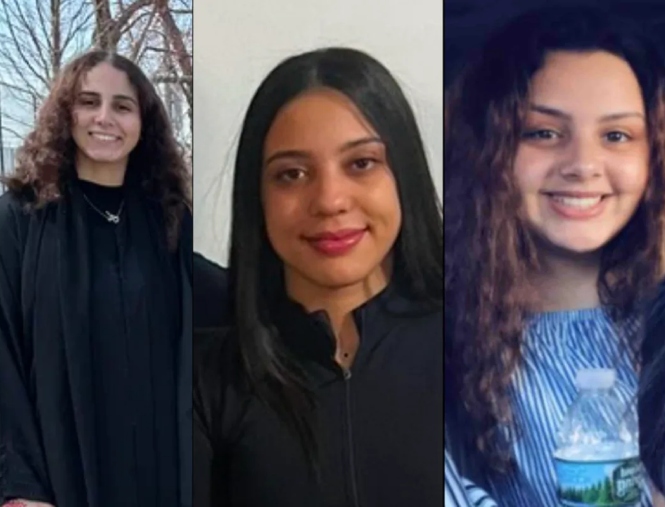
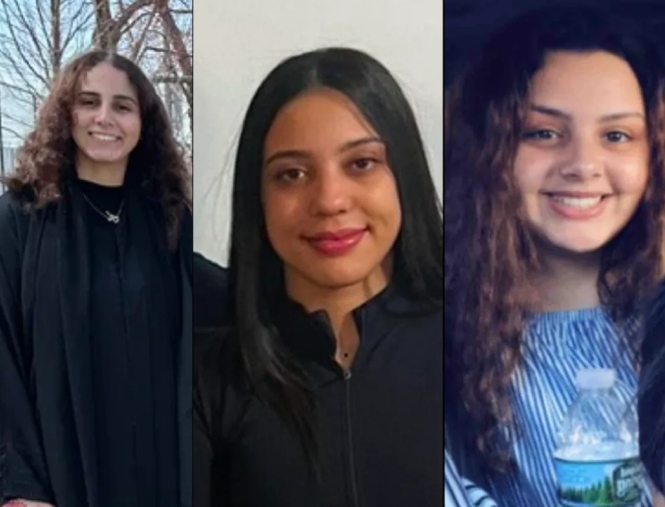
The families of three young American women who died from carbon monoxide poisoning at a hotel in Belize last year have filed a federal wrongful‑death lawsuit.
They were seeking accountability and damages, according to court filings and news reports.
The complaint was filed in U.S. District Court in Massachusetts by relatives of Wafae El‑Arar, Imane Mallah, and Kaoutar Naqqad, all from Revere, Massachusetts, who were found dead on Feb. 22, 2025, in their room at the Royal Kahal Beach Resort in San Pedro, Belize.
The women, who were on vacation together, were discovered unresponsive by resort staff after failing to respond to repeated knocks on their door.
Belizean authorities later determined that the women died from toxic exposure to carbon monoxide — an invisible, odorless gas that can be deadly in confined spaces — likely linked to a malfunctioning hot water system in their suite. The tragic deaths occurred just one day before they were scheduled to return home, compounding the shock and grief felt by their families and community.
Lawsuit Seeks Justice and Accountability
The lawsuit names multiple defendants, including:
- Royal Kahal Beach Resort and its owners and managers,
- The travel booking platform Expedia, which the women used to plan and reserve their trip, and
- The manufacturer of the water heater allegedly responsible for the carbon monoxide leak.
Family attorneys allege that the resort failed to properly install or maintain carbon monoxide detection systems, ignored warnings from previous guests about hazardous conditions, and did not adequately warn visitors about the danger. They also contend that Expedia’s marketing and booking practices played a role in directing the women to a property with known risks.
“This case will test whether companies that profit from American consumers can be held to account when preventable tragedies occur,” said one of the plaintiffs’ attorneys in court filings.
The complaint seeks $100 million in damages, including compensation for pain and suffering, punitive damages, and accountability for the corporations involved.
Victims Remembered
Relatives described El‑Arar, Mallah, and Naqqad as vibrant, caring, and promising young women whose lives were tragically cut short. El‑Arar, 26, worked as a research technician and was active in community health efforts; Mallah, 24, was remembered for her kindness; and 23‑year‑old Naqqad was an aspiring law‑enforcement officer and college student. Friends and family members established GoFundMe campaigns to help cover funeral expenses and the repatriation of their bodies to the United States.
In the immediate aftermath of the deaths, Belize authorities initially investigated multiple possibilities. Early reports noted the presence of alcohol and other items in the room, but subsequent investigations confirmed that acute pulmonary edema caused by carbon monoxide exposure was the cause of death, and no illicit substances were found in the victims’ systems.
Broader Implications and Safety Concerns
Carbon monoxide poisoning is a leading cause of accidental poisoning worldwide due to the gas’s colorless and odorless nature. The lawsuit highlights concerns about safety standards at international hotels and the responsibility of travel platforms and manufacturers to ensure guest safety — especially when facilities market themselves to international tourists.
The case now moves forward in the federal court system, where plaintiffs will seek to prove negligence, wrongful death, failure to warn, and product liability. A jury trial has been requested to determine the scope of damages and to hold the named defendants accountable for what the families describe as a preventable tragedy.