Pennsylvania has officially outlawed hair discrimination. With Gov. Josh Shapiro’s signing of the CROWN Act, the state now joins more than two dozen others that have moved to protect Black Americans from being penalized — at work, in school, or in public — for wearing their natural hair or culturally rooted styles.
For many Black families, this isn’t an abstract legal fix. It’s about ending the exhausting, often quiet calculations made before a job interview, a first day of school, or a shift at work. As one Philly salon owner put it during the ceremony, people have been forced to “cut their locs down” or “remove their braids” simply to avoid punishment.
The law amends the Pennsylvania Human Relations Act to ensure that “race” includes natural hair texture, protective styles, and other traits historically connected to racial identity. It arrives after more than 900 hair-related discrimination complaints were filed in just one year, according to state data.
To cut through the legal language, here’s what the CROWN Act means for ordinary Black Pennsylvanians — in real, day-to-day terms.
What the CROWN Act Means in Real Life: A Simple List
1. You can show up to work as yourself — without fear.
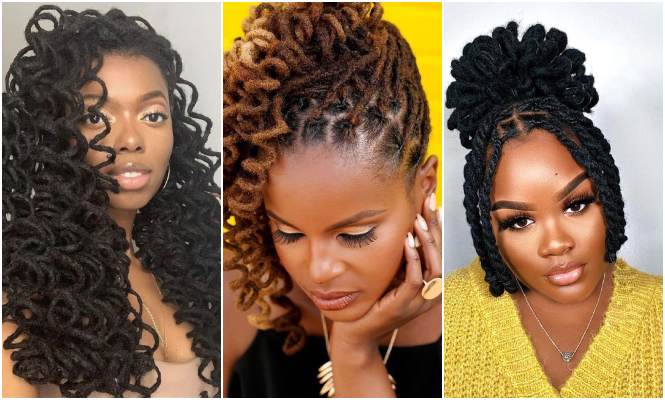
Employers can no longer reject, reprimand, or fire people for wearing braids, locs, twists, coils, afros, or other natural styles. Your hair can’t be used as a back-door way to question your “professionalism.”
2. Job interviews won’t require a “hair strategy.”
No more taking braids out before interviews or trimming locs just to seem “more acceptable.” Your qualifications matter — not how closely you conform to Eurocentric hair standards.
3. Black children are less likely to be suspended for their hair.
School policies often hit Black students hardest. With the CROWN Act, suspensions, dress-code violations, and disciplinary actions tied to natural or protective styles are now banned.
4. You can pursue promotions without policing your identity.
Many Black professionals have reported being passed over for leadership roles because of hair bias. The law removes a barrier that has quietly shaped who gets access to the C-suite or the boardroom.
5. Chemical relaxers are no longer an unspoken “requirement.”
For years, many Black women felt pressured to chemically straighten their hair — despite well-documented health risks. The law reinforces that no job can force you toward potentially harmful styling choices.
6. Natural hair businesses gain legitimacy and protection.
Braiders, natural hair stylists, and Black-owned salons benefit from clearer rules, fewer licensing hurdles, and a statewide acknowledgment that their work is culturally rooted and economically vital.
7. Religious and cultural expression is explicitly protected.
Styles tied to faith traditions — from Rastafarian locs to African protective styles — now have defined civil rights protections under state law.
8. Complaints about hair discrimination now carry legal weight.
If discrimination happens, individuals can file official complaints under the Pennsylvania Human Relations Act — meaning real investigations, real consequences, and real accountability.
9. Businesses must update grooming policies.
Companies can still enforce legitimate safety rules (such as tying hair back for machinery), but they must apply them equally to everyone. Policies can’t target styles predominantly worn by Black workers.
10. The law supports broader economic opportunity.
Shapiro’s administration is tying the CROWN Act to a larger effort to expand access for historically disadvantaged businesses — including Black-owned salons, beauty suppliers, and cosmetology services.
Why this moment matters
Behind every policy victory is a human story — the child suspended from school because of her twists, the man asked to “cut his hair to look cleaner,” the professional told his locs seemed “too urban” for client meetings. Pennsylvania’s new law doesn’t erase those experiences, but it sends a clear signal: dignity isn’t negotiable.
As advocate Dr. Adjoa B. Asamoah said, the cost of conformity has been “simply too expensive.” The CROWN Act aims to ensure no one in the state has to pay it again.