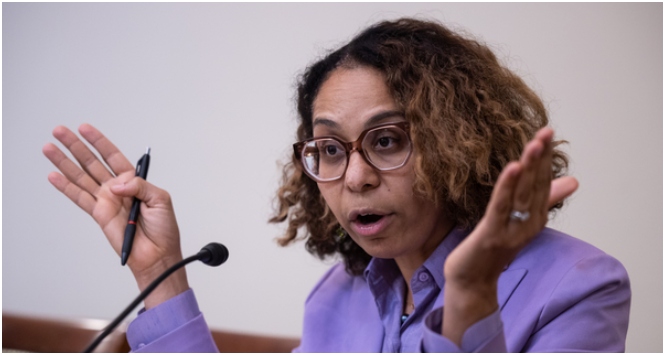
U.S. Representative Sydney Kamlager-Dove has issued a forceful and highly critical response to President Donald Trump’s request for an additional $200 billion in funding tied to ongoing military operations in Iran.
She is warning that the financial and human costs could be devastating for everyday Americans.
In a recent interview, Kamlager-Dove did not hold back, sharply condemning the administration’s priorities and linking increased defense spending to rising costs of living across the United States.
“Oh my gosh, yes… you can see how much this is costing us,” she said, pointing to surging gas prices, which she noted are nearing $10 per gallon in parts of California, along with increases in fertilizer and other essential goods.
Mounting Economic Pressure
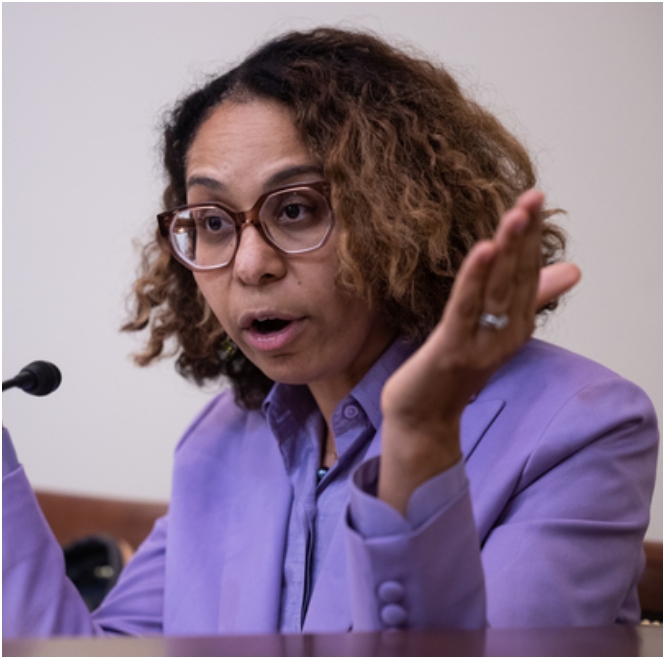
The California Democrat argued that the administration’s focus on military spending is exacerbating financial strain for working families already grappling with inflation and economic uncertainty.
According to Kamlager-Dove, the proposed funding amounts to billions of dollars per day—resources she believes could instead be directed toward critical domestic programs.
“This president is messy. And now he is messing with Americans’ lives, our money, and our safety,” she said, pointing out that the spending request is disconnected from the immediate needs of citizens.
Criticism of War Authorization and Priorities
Kamlager-Dove also raised constitutional and legislative concerns, stressing that Congress has not formally authorized the ongoing conflict.
“Trump is asking Congress, which never authorized this war in the first place, this dumpster fire, to fund it with no endgame in sight,” she said during remarks aligned with the Congressional Progressive Caucus.
She described the situation as a misallocation of national resources, arguing that funds earmarked for military operations could significantly improve domestic welfare if redirected.
Alternative Uses for Federal Spending
To underscore her point, Kamlager-Dove outlined what she described as tangible alternatives to the proposed war funding:
- Covering nearly 3 million Americans under Medicaid for a full year
- Providing food assistance to over 3 million families through SNAP
- Building approximately 91,000 affordable housing units
“These are real investments in people,” she said, contrasting them with what she views as indefinite and costly military engagement.
Warning of Human Consequences
Beyond economic concerns, Kamlager-Dove warned that cuts to social safety net programs, combined with increased military spending, could have life-threatening consequences.
“People will die,” she said bluntly, referring to potential reductions in healthcare and food assistance programs.
Her remarks reflect a broader debate in Washington over federal spending priorities, particularly as lawmakers weigh defense budgets against domestic program funding during a period of economic pressure and geopolitical tension.
Ongoing Political Debate
The administration has defended its position, arguing that military engagement and national security investments are necessary in the current global climate. However, critics like Kamlager-Dove continue to challenge both the scale and direction of that spending.
As Congress prepares to debate the funding request, the clash highlights deep divisions over fiscal policy, war powers, and the role of government in addressing the needs of its citizens.