
The federal prosecution of Rep. LaMonica McIver (D-N.J.) is drawing comparisons to some of the most anti-democratic actions of Donald Trump’s political career.
Critics warn that it could represent a dangerous new strategy for silencing elected opponents.
McIver, who represents parts of Newark, faces charges stemming from a tense incident where she briefly made physical contact with federal officers attempting to arrest Newark Mayor Ras Baraka, another Democrat.
While the charges against Baraka were swiftly dropped—and a federal magistrate judge later called his arrest a “worrisome misstep”—the case against McIver remains active. If convicted, she could face up to 17 years in prison.
Financial Strain as a Political Weapon
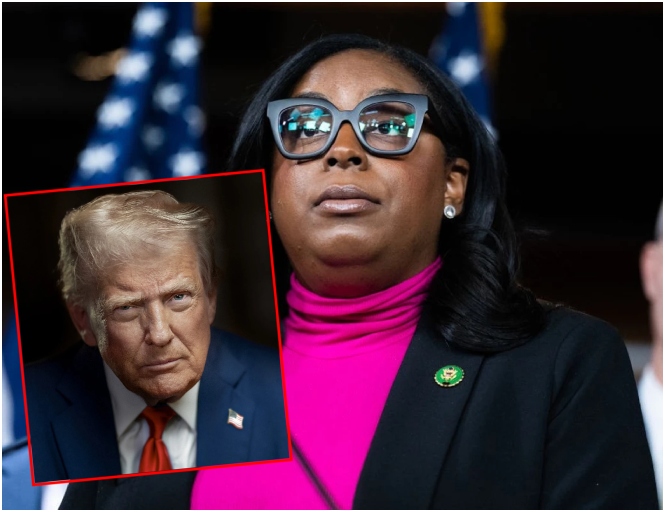
Legal experts note that the likelihood of a conviction appears slim, but the financial burden of defending herself may be the real weapon here. Under House ethics rules, McIver cannot accept pro bono representation.
That means she must either pay massive legal fees out of pocket—potentially hundreds of thousands of dollars—or divert campaign funds away from her reelection effort to cover attorney costs.
The situation highlights a troubling precedent: even without securing a conviction, prosecutors can destabilize a lawmaker’s career by forcing them into financial and political jeopardy.
Echoes of Authoritarian Tactics
Observers warn that Trump’s approach mirrors authoritarian strategies seen abroad: weaponizing legal systems against political rivals, not to win in court, but to drain resources, sow fear, and weaken democratic opposition.
“This case tests a chilling new frontier,” one political analyst noted. “It suggests that any elected Democrat could be targeted with questionable charges, not to convict them, but to bankrupt them.”
A Test of Resilience
McIver’s case has quickly become a flashpoint in debates about Trump’s willingness to bend democratic norms. For supporters, her prosecution represents not just a legal fight, but a symbolic battle over whether political power in the U.S. can be abused to silence opposition.
As the charges move forward, the stakes are broader than one lawmaker’s future—they could redefine the boundaries of political retaliation in America.


