
This holiday weekend and during the upcoming festive season, a coalition of activist groups is determined to turn traditional holiday shopping on its head.
Under the banner “We Ain’t Buying It,” millions of consumers are withholding spending from major retailers, including Target, Home Depot, and Amazon, demanding accountability for what organizers describe as corporate complicity with policies that harm marginalized communities.
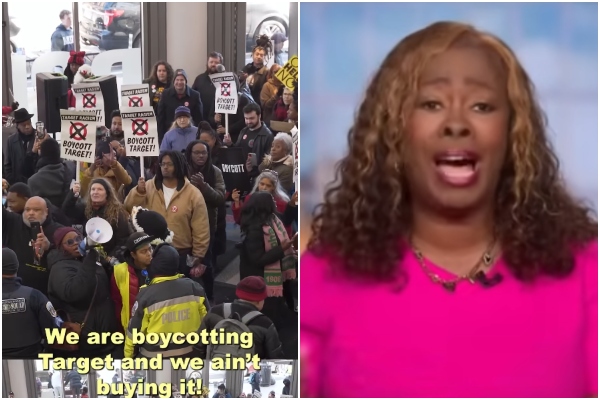
The movement, spearheaded by Black Voters Matter co-founder LaTosha Brown and more than 100 allied organizations, is designed to leverage the economic power of consumers.
“We are reclaiming our power as consumers. We have a responsibility to be more conscientious with how we spend our money,” Brown told CNN in a recent interview.
The boycotts have been successful so far. They target companies accused of abandoning commitments to diversity, equity, and inclusion (DEI) or otherwise supporting policies under the Trump administration that activists say have negatively impacted immigrant and Black communities.
Home Depot has faced scrutiny for cooperating with immigration enforcement, while Amazon has been criticized for financial support linked to political initiatives. Target, previously the focus of a separate “Target Fast” protest, saw a decline in sales and foot traffic after DEI policy rollbacks, ultimately leading to CEO Brian Cornell stepping down.
Unlike previous campaigns with specific demands, “We Ain’t Buying It” is focused on broader consumer empowerment rather than negotiated concessions. Organizers encourage shoppers to redirect funds to local, small, and Black-owned businesses.
“It’s not just about sales; it’s about building a muscle as consumers to demand accountability,” Brown explained.
The timing of the boycott is strategically significant.
Black Friday through Cyber Monday typically accounts for 20–30% of annual retail sales, making this weekend a crucial period for corporate revenue. Activists hope the campaign’s immediate financial impact will signal that consumers are paying attention to corporate politics as much as product prices.
While this is the first major action of its kind in this holiday season, organizers stress that the effort is only the beginning.
“This isn’t about one company or one boycott; it’s about changing the culture of consumers and making sure our resources support businesses aligned with our values,” Brown said.
Further success of the movement may redefine how activism intersects with consumer behavior in the U.S.

