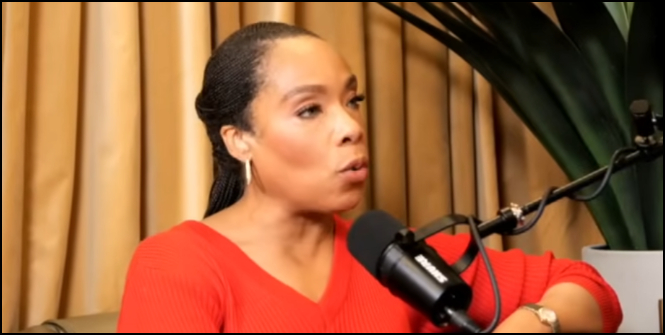
Fawn Weaver, the pioneering CEO and founder of Uncle Nearest Premium Whiskey, is once again calling on consumers to help reshape the spirits industry.
In a passionate Instagram post and video, Weaver likened the independent whiskey brand’s uphill battle against corporate conglomerates to the biblical story of David and Goliath — but this time, David comes armed with a community-driven movement.
Weaver praised the company’s supporters for fueling what she calls the “clear the shelves” campaign, a grassroots effort encouraging buyers to prioritize Uncle Nearest when stocking their home bars and shopping at local retailers.
“Fam, y’all are doing something extraordinary and it is blowing the industry’s mind,” Weaver said. “While others are in decline, we are seeing our strongest pull-through numbers in our company’s history. And that’s because of you.”

According to Weaver, Uncle Nearest has faced growing pressure from large spirits conglomerates, who she says have urged distributors to sideline the Black-owned brand due to its surging popularity. Rather than back down, Weaver doubled down on her strategy: mobilizing everyday supporters as the brand’s most powerful sales force.
She encouraged consumers not only to buy bottles but also to take small actions that send big signals — moving Uncle Nearest to eye level in stores, asking managers to feature it prominently, and alerting the company if shelves are empty so that restocking can happen quickly.
“We can’t match the hundreds of millions that spirit conglomerates spend on ads and giant armies,” Weaver said. “But Goliath, meet David. And this time, David has an army that isn’t afraid.”
Since its founding, Uncle Nearest has grown into all 50 states in less than two years, a milestone Weaver argues has never before been accomplished by an independent spirits brand. She credits this rapid expansion not to traditional marketing, but to the cultural and historical significance of the brand, which honors Nearest Green, the formerly enslaved master distiller who taught Jack Daniel the craft of whiskey-making.
Weaver framed the brand’s struggle not only as a fight for market share but also as a defining moment in American business history. She told supporters that when this mission is complete, the success of Uncle Nearest will be “taught in universities around the world.”
On July 28, Farm Credit Mid-America, the primary creditor of Uncle Nearest, filed a lawsuit in the U.S. District Court for the Eastern District of Tennessee. The suit named Uncle Nearest, its Nearest Green Distillery, and co-founders Fawn and Keith Weaver as defendants. The creditor alleged that the company owed more than $108 million in loans and interest payments. It further claimed that the distillery had provided “apparently inaccurate” barrel inventory reports, overstating the value of its reserves by $21 million. The lawsuit also pointed to a series of unfulfilled obligations and argued that the company’s business adjustments failed to deliver the promised revenue.
The legal dispute escalated on August 14, when a federal judge placed the Uncle Nearest distillery under a court-appointed receivership, effectively stripping day-to-day control from CEO Fawn Weaver. Both Weaver and Farm Credit Mid-America were ordered to submit additional briefings by midnight on August 20, detailing their preferred candidates to serve as receiver. This decision marked a turning point in the high-stakes legal battle, placing the future of one of America’s fastest-growing independent whiskey brands in the hands of the court.
As Weaver signed off from the stage of New York’s Lincoln Center at the Welcome Conference in the IG post, her message was clear: the David-and-Goliath battle for the spirits industry isn’t just about whiskey; it’s about rewriting the rules of who gets to lead, thrive, and define the future of American legacy brands.