In the 1970s, the world was changing. Across the United States, Africa, and the Caribbean, Black women’s voices rose louder than ever — not just in protest, but in harmony, funk, disco, soul, reggae, and Afrobeat.
This was the post–civil rights era in the U.S. and the postcolonial wave in Africa and the Caribbean, when women’s creativity carried the sound of freedom, self-expression, and cultural pride.
From the glittering stages of New York and Chicago to the bustling streets of Lagos and Kingston, all-female groups brought rhythm, style, and power to audiences eager for new sounds and new stories.
They weren’t just performers; they were pioneers — opening doors in industries still stacked against them, and embodying the joy, struggle, and resilience of Black womanhood.
United States: From Church Roots to Chart-Toppers
In America, the rise of Black women’s musical groups mirrored the shift from Motown’s polished pop-soul of the 1960s to the bolder, more experimental sounds of the 1970s.
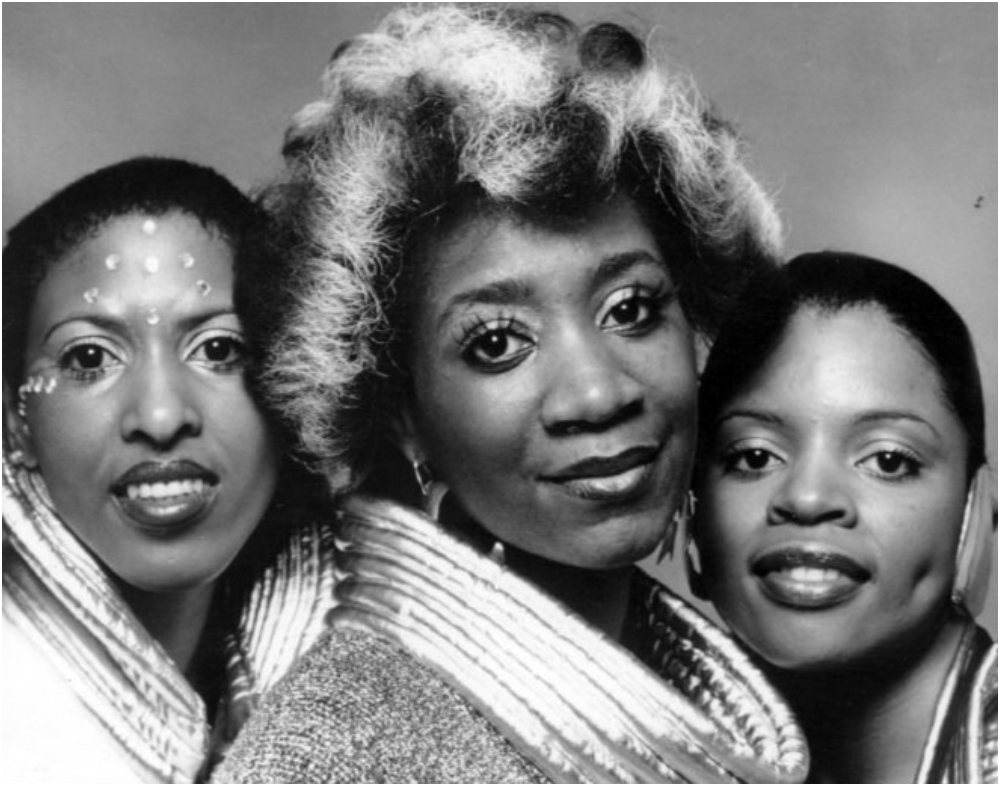
Labelle, led by Patti LaBelle alongside Nona Hendryx and Sarah Dash, took gospel roots and flipped them into futuristic glam-funk. With their sequined bodysuits and cosmic stage presence, they made headlines with “Lady Marmalade” (1974). But beneath the glitter was a deeper message — Labelle stood for self-determination, sexual liberation, and the audacity of Black women demanding space in rock and funk.
The Emotions, three sisters from Chicago raised on gospel harmonies, turned vulnerability into empowerment. Their global hit “Best of My Love” (1977) was more than a disco anthem; it was a declaration of joy at a time when disco itself was becoming a site of Black and brown liberation.
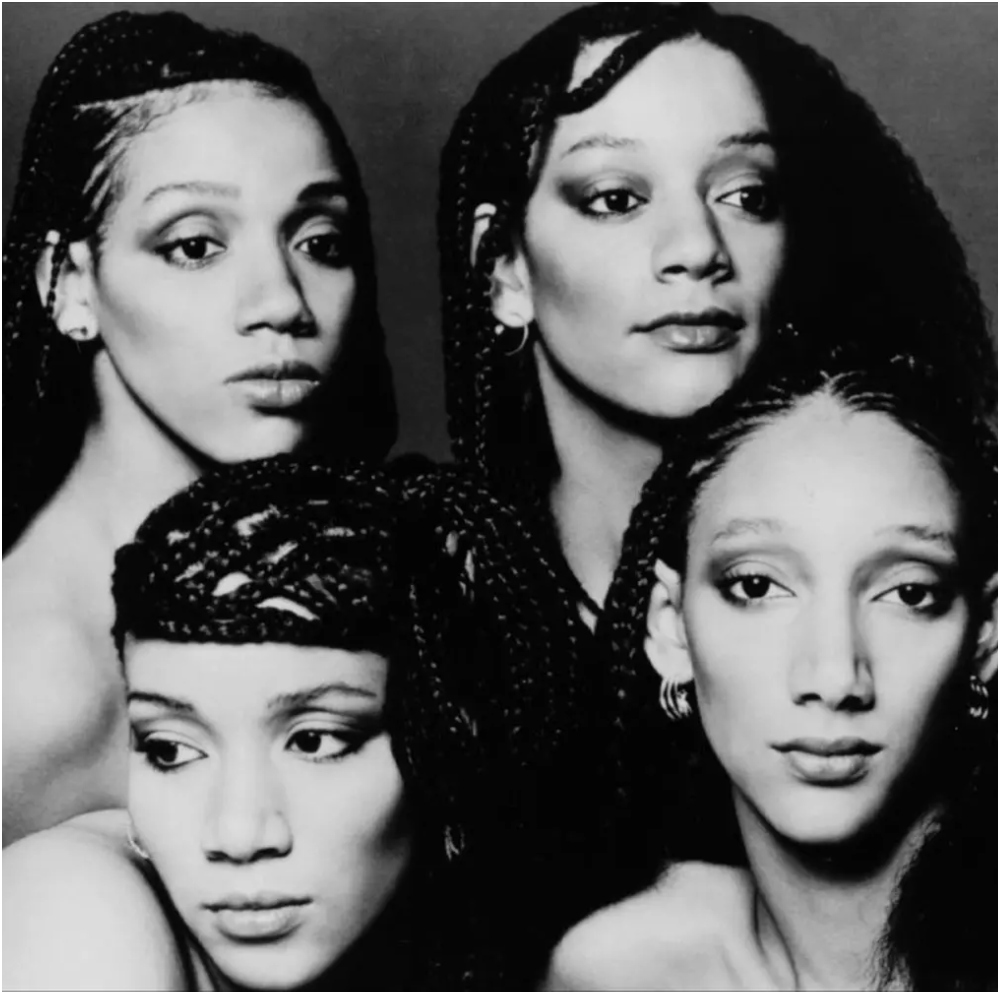
Sister Sledge carried family unity to the center of disco culture. With “We Are Family” (1979), the four Philadelphia sisters gave Black women — and their communities — a generational anthem of resilience and togetherness.
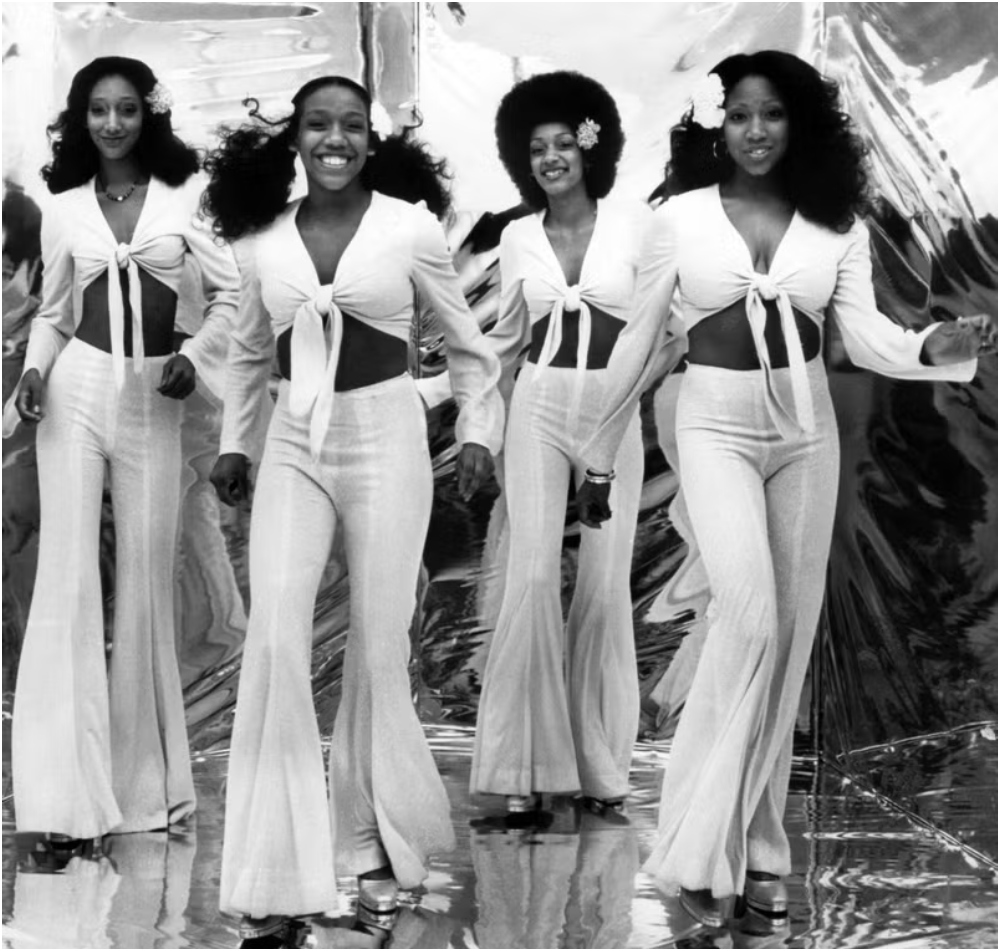
The Pointer Sisters proved versatility was its own rebellion. They blended jazz, funk, country, and R&B, refusing to be boxed into one genre. Their hit “Yes We Can Can” (1973) captured the optimism of a new decade while echoing the determination of the civil rights movement.
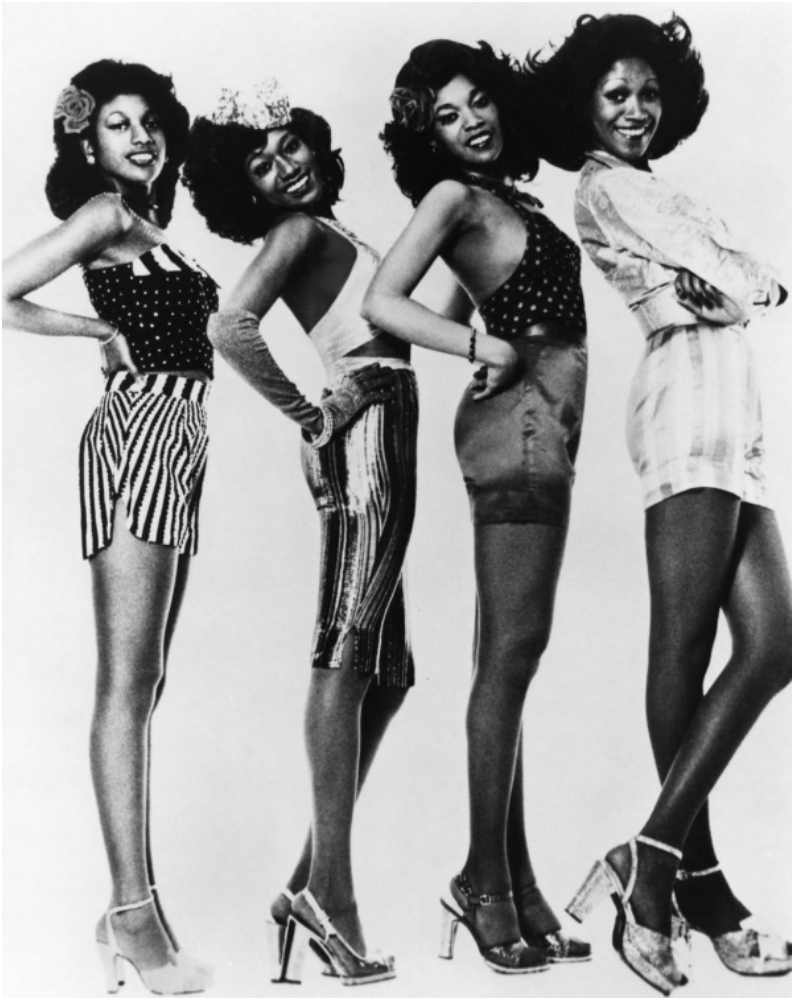
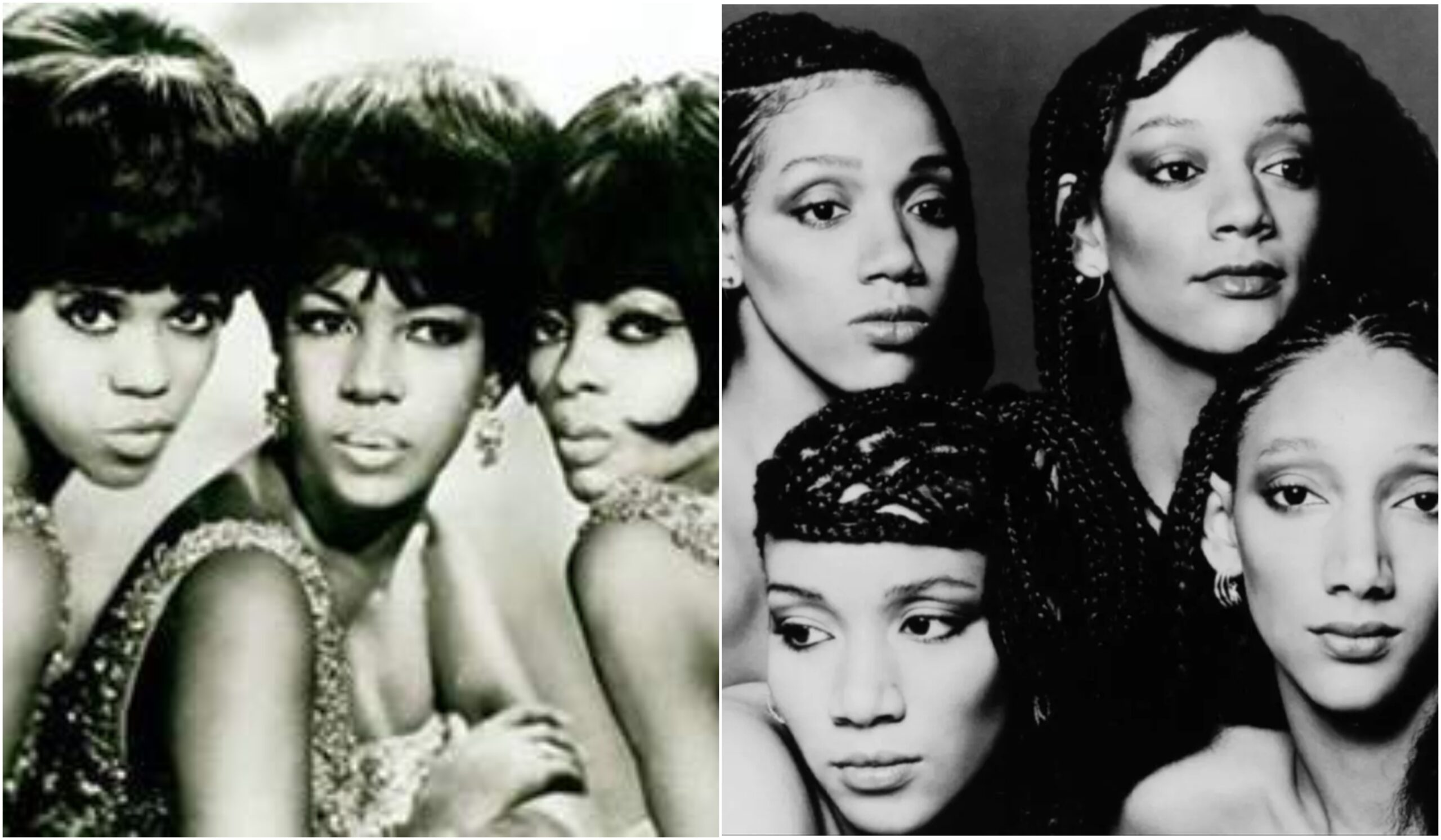
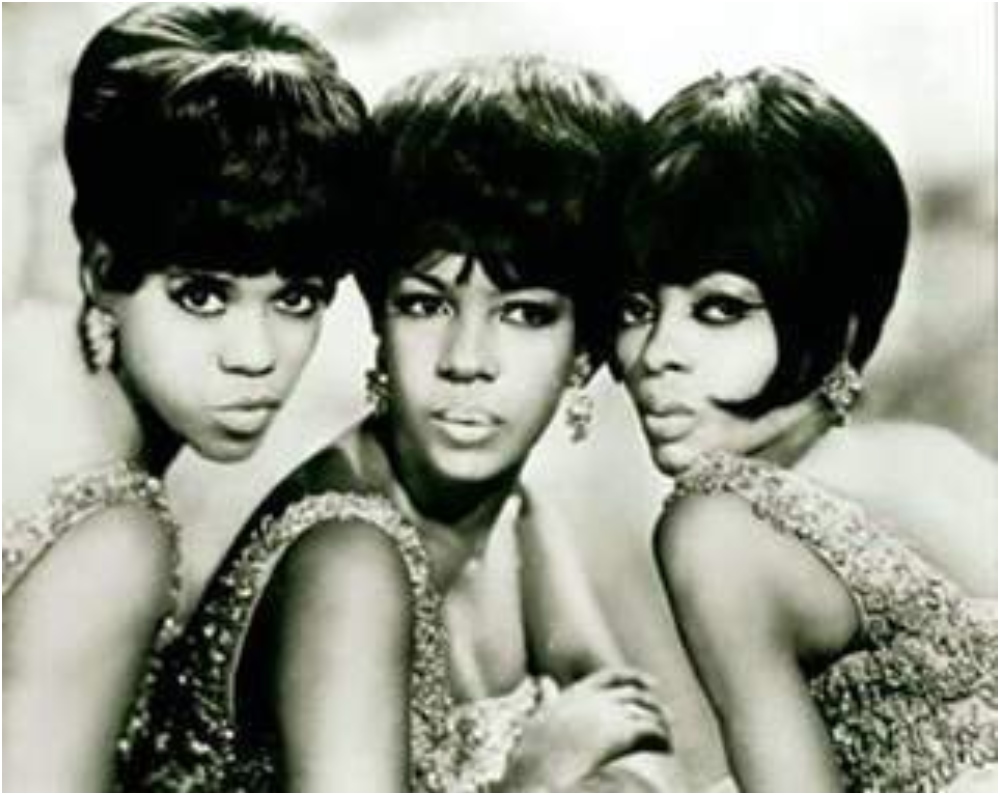
The Supremes were undoubtedly one of the most famous black female singing groups of the 1970s. The group, originally made up of members Florence Ballard, Mary Wilson, Diana Ross, and Betty McGlown, formed in Detroit in the late 1950s. This period generated several of the girl groups of the 70s era.
Africa: Voices of Postcolonial Freedom
On the African continent, women’s groups brought post-independence pride into the soundscape.
The Lijadu Sisters — identical twins Taiwo and Kehinde from Nigeria — were trailblazers of Afrobeat and highlife, blending traditional Yoruba influences with funk and reggae. They wrote about inequality, corruption, and women’s independence, turning their harmonies into political statements. At a time when Afrobeat was dominated by men like Fela Kuti, the Lijadu Sisters carved out space for women to be cultural leaders.
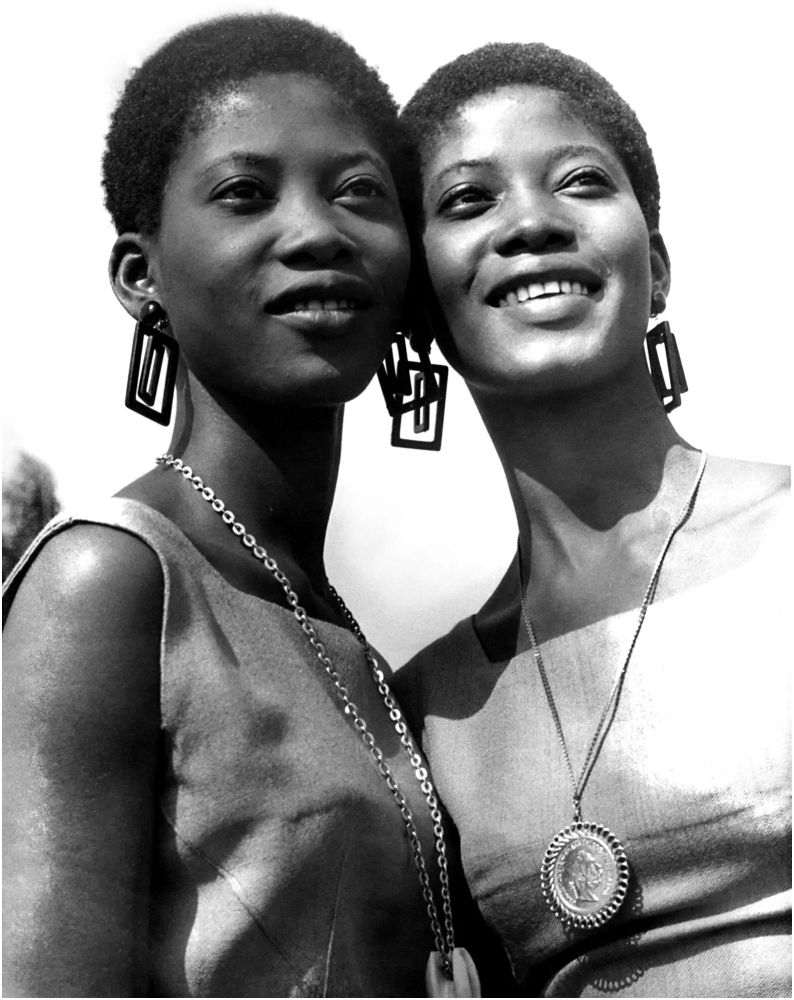
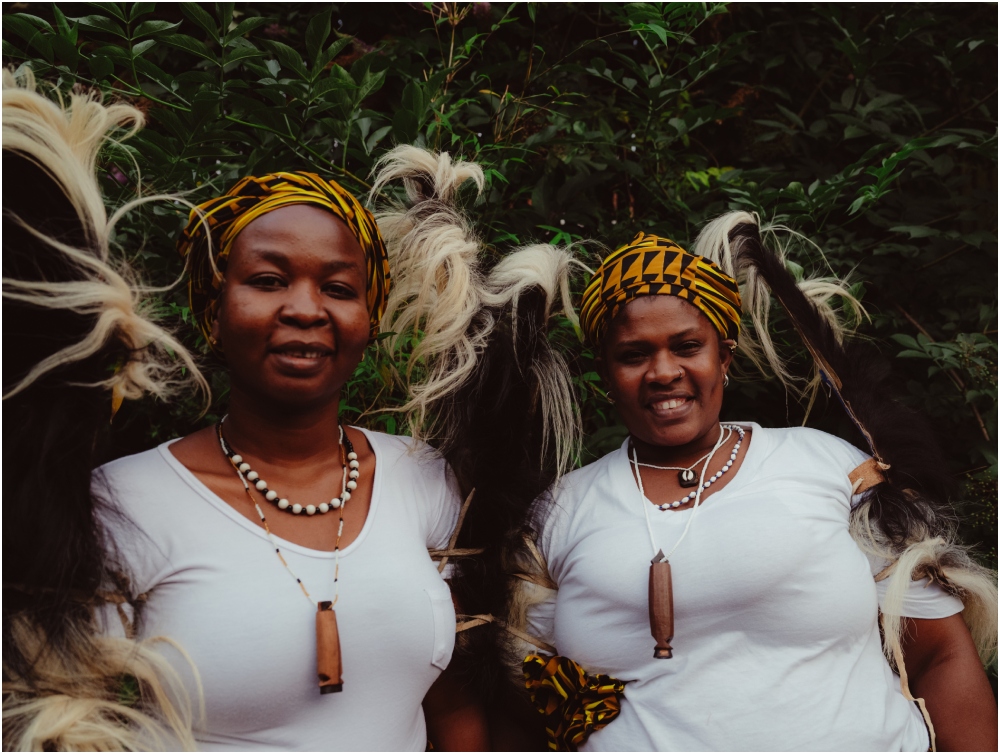
Malkia Queens The Zawose Queens (Tanzania) While not a 1970s group, the Zawose Queens (Pendo and Leah Zawose) are an explicitly female ensemble from Tanzania that foregrounds women in a musical lineage where women were often sidelined. They’ve received international press (e.g., The Guardian) and festival bookings (Glastonbury, WOMAD) — which makes them a credible, sourceable example of East African women claiming musical leadership today and connecting to older traditions. This is useful if your article wants a throughline from past to present.
Caribbean: Harmonies of Resistance and Joy
In the Caribbean, women’s groups balanced the sweetness of harmony with the weight of political struggle.
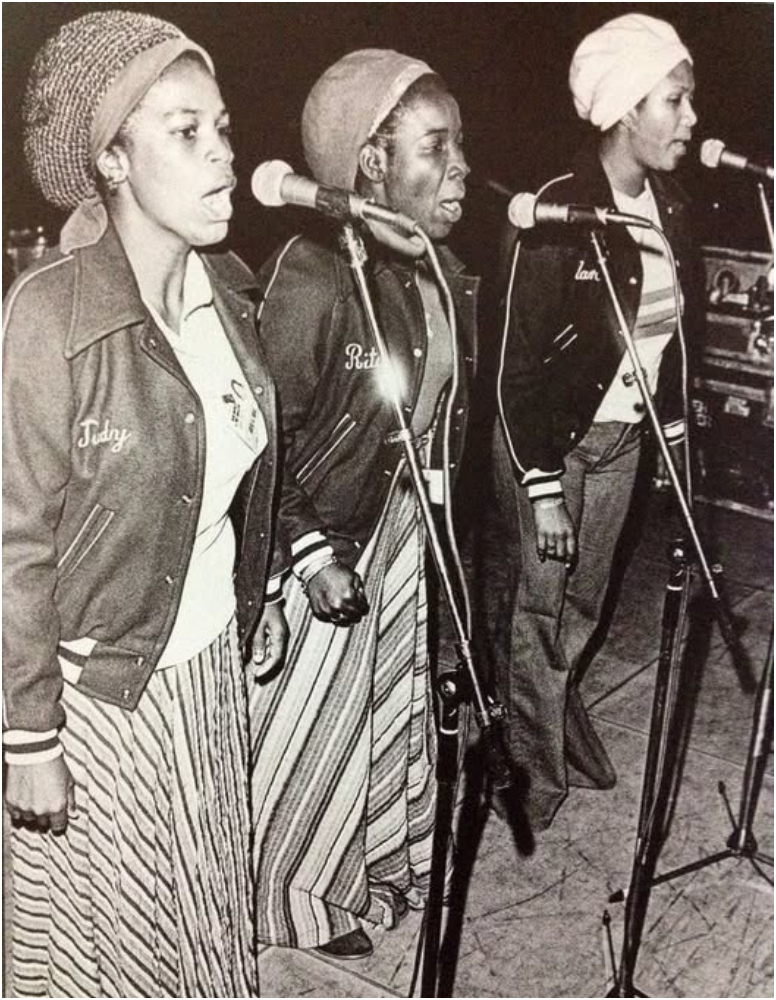
The I Threes — Rita Marley, Judy Mowatt, and Marcia Griffiths — became reggae’s most iconic female trio. As Bob Marley’s backing vocalists, they brought depth and spirituality to the global reggae movement. But on their own, they sang of womanhood, strength, and Rastafari identity, ensuring that women’s voices were central to reggae’s global rise.
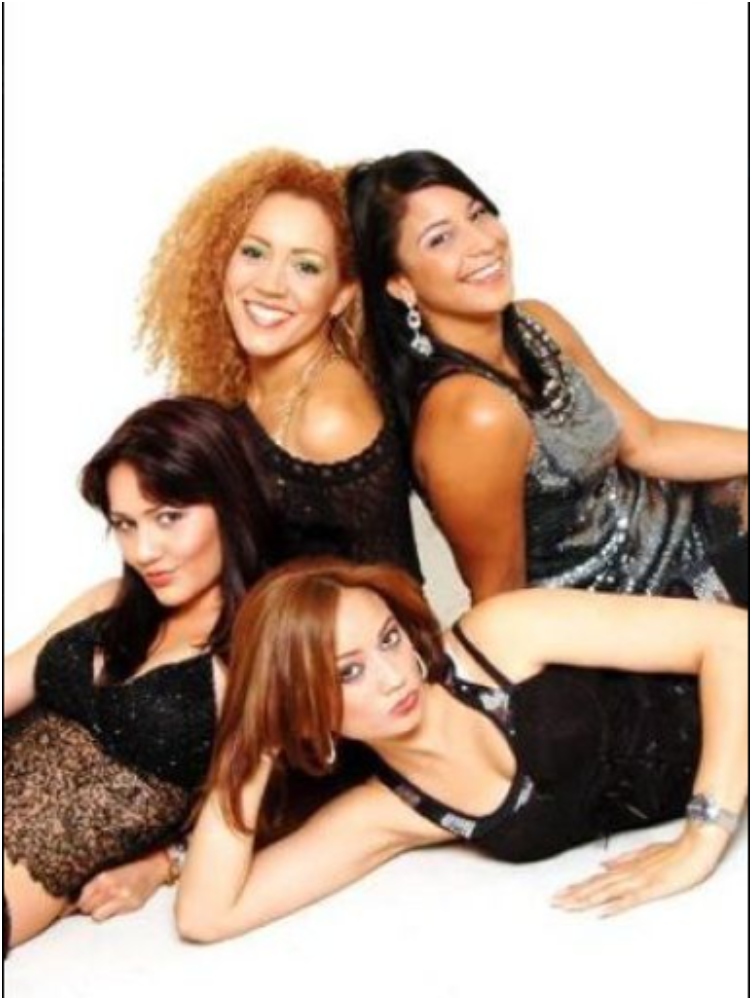
In the Dominican Republic, Las Chicas del Can pushed into the male-dominated merengue scene. Though emerging in the late 1970s into the 1980s, their breakthrough laid the foundation for women in Latin music to claim visibility, showing that Caribbean rhythm could be led by women on stage and not just behind the scenes.
Why Their Legacy Still Matters
For Black and brown women today, these groups stand as more than nostalgia. They are blueprints of resistance and creativity. They dared to mix genres, cross borders, and claim narratives in industries often stacked against women. They styled themselves boldly, wrote their own truths, and left us with an archive of music that still inspires.
When we celebrate today’s artists — from Chloe x Halle to SZA, Tems, and Ayra Starr — we are hearing echoes of the 1970s trailblazers. Just as Labelle fused funk and futurism, today’s young women experiment with Afrofusion, R&B, and electronic sounds. Just as the Lijadu Sisters stood up to patriarchal dominance, women across the diaspora now center their voices in global Afrobeats and dancehall.
The 1970s may be behind us, but the harmony of sisterhood, freedom, and Black womanhood still sings forward.