A controversial U.S. election bill backed by President Donald Trump is drawing sharp criticism from civil rights advocates and Democratic lawmakers.
Opposing voices to the bill warn the proposed legislation could make it significantly harder for millions of Americans — particularly Black and Brown voters — to participate in elections.
The measure, known as the Safeguard American Voter Eligibility (SAVE) Act, recently passed the U.S. House of Representatives and now faces an uncertain path in the Senate.
What the SAVE Act Would Do
If enacted, the bill would introduce new nationwide voter registration requirements, including:
- Mandatory proof of U.S. citizenship when registering to vote
- Presentation of documents such as a passport or birth certificate
- Matching documentation for voters whose names have changed
- Criminal penalties for election officials who fail to verify proof
Supporters say the changes are needed to protect election integrity and prevent fraud, though studies have consistently shown non-citizen voting to be extremely rare.
Critics Warn of Voter Disenfranchisement
Democratic lawmakers and voting-rights groups argue the legislation could create major barriers for eligible voters.
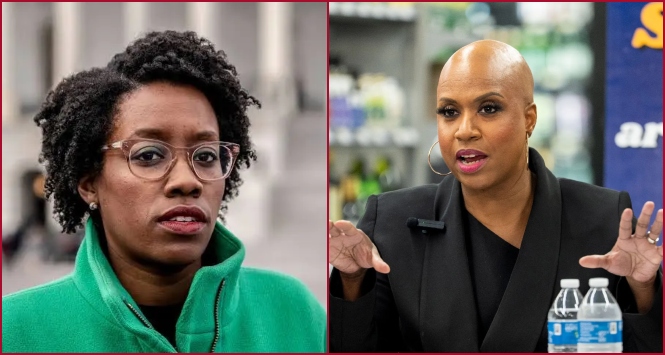
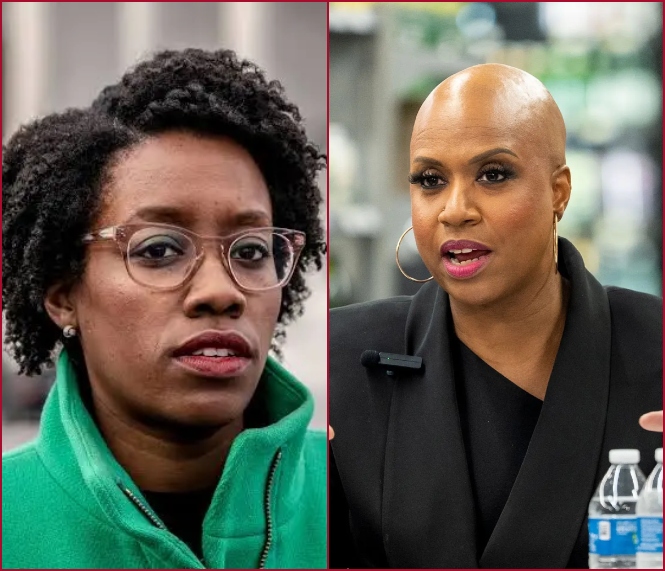
U.S. Representative Ayanna Pressley strongly condemned the bill, describing it as unnecessary and harmful.
“This is a bill that is a solution in search of a problem,” she said, arguing that non-citizens are already barred from voting under existing law.
Similarly, Representative Lauren Underwood warned that documentation requirements could disproportionately impact women and minority communities.
Nearly 69 million American women, she noted, have birth certificates that do not match their current legal names due to marriage or other changes.
Disproportionate Impact on Minority Communities
Voting-rights advocates point to data showing the potential scale of impact:
- About 21% of Black Americans and 23% of Hispanic Americans do not have driver’s licenses.
- Roughly 21 million Americans lack ready access to citizenship documents.
- Around 2.6 million Americans do not possess any government-issued photo ID.
Research from organizations such as the Brennan Center for Justice suggests strict ID requirements historically correlate with lower voter turnout among low-income and minority populations.
Republican Support and Trump’s Push
Republican lawmakers largely support the bill, arguing it strengthens enforcement of existing laws that limit voting to citizens.
Trump has repeatedly promoted the measure, linking it to his long-standing claims of election fraud — assertions widely rejected by courts, election officials, and independent investigations.
“American citizens, and only American citizens, should decide American elections,” the White House said in a statement backing the legislation.
Senate Outlook Uncertain
Despite clearing the House by a narrow margin, the bill faces steep challenges in the Senate, where supporters lack the votes needed to overcome procedural hurdles.
Some Republican senators have already signaled reluctance, making its passage uncertain.
Part of a Larger Voting Rights Debate
The SAVE Act has intensified a long-running national conflict over voting access versus election security — a debate that has shaped U.S. politics for decades.
Civil rights advocates say the proposal echoes historical efforts that limited participation among marginalized groups, while supporters argue stricter rules reflect public demand for stronger election safeguards.
The controversy surrounding the bill ref;ects the deep divisions over how the world’s oldest continuous democracy should balance accessibility and security at the ballot box.