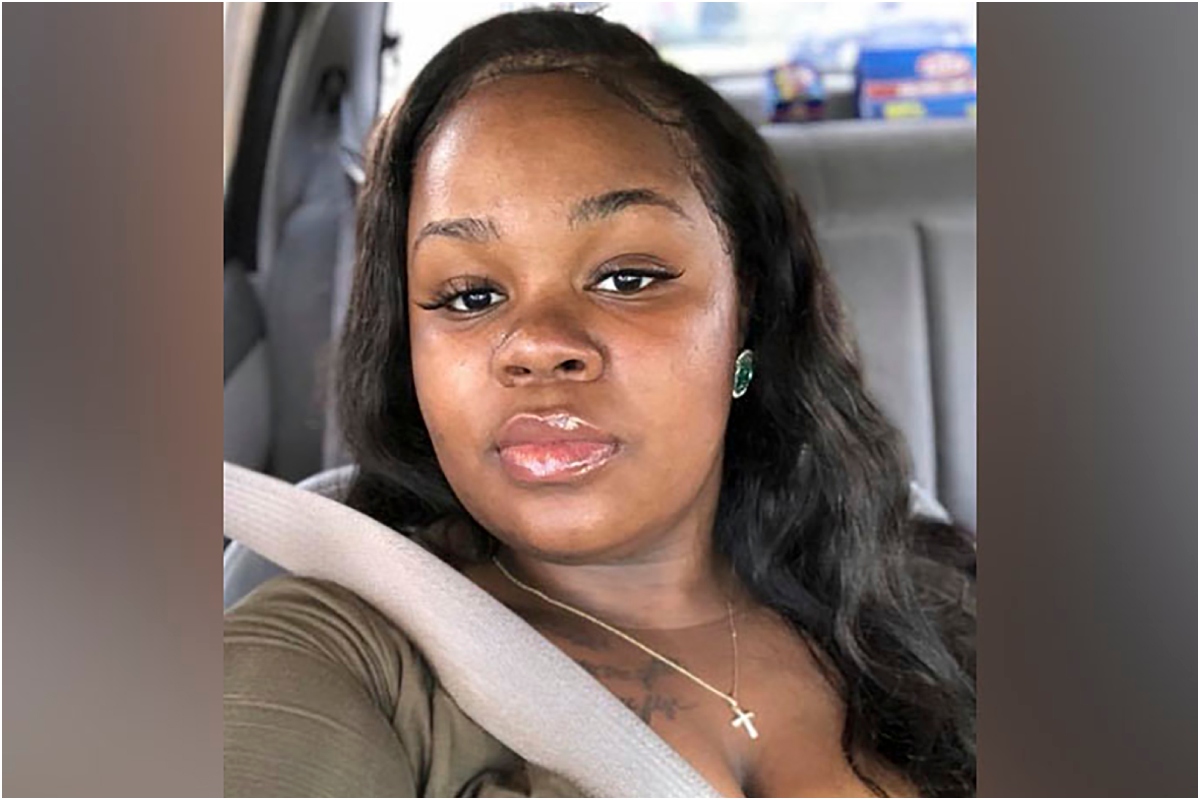
Tamika Palmer has sharply criticized the U.S. Department of Justice’s decision to seek dismissal of charges against two former Louisville police officers tied to the fatal 2020 raid that killed her daughter, Breonna Taylor.
In an emotional interview, Palmer said accountability remains elusive nearly six years after the killing.
“She was killed because of their lies and negligence, and somebody should be held accountable for that,” Palmer said. “Breonna doesn’t get to come back. She doesn’t get to put it behind her.”
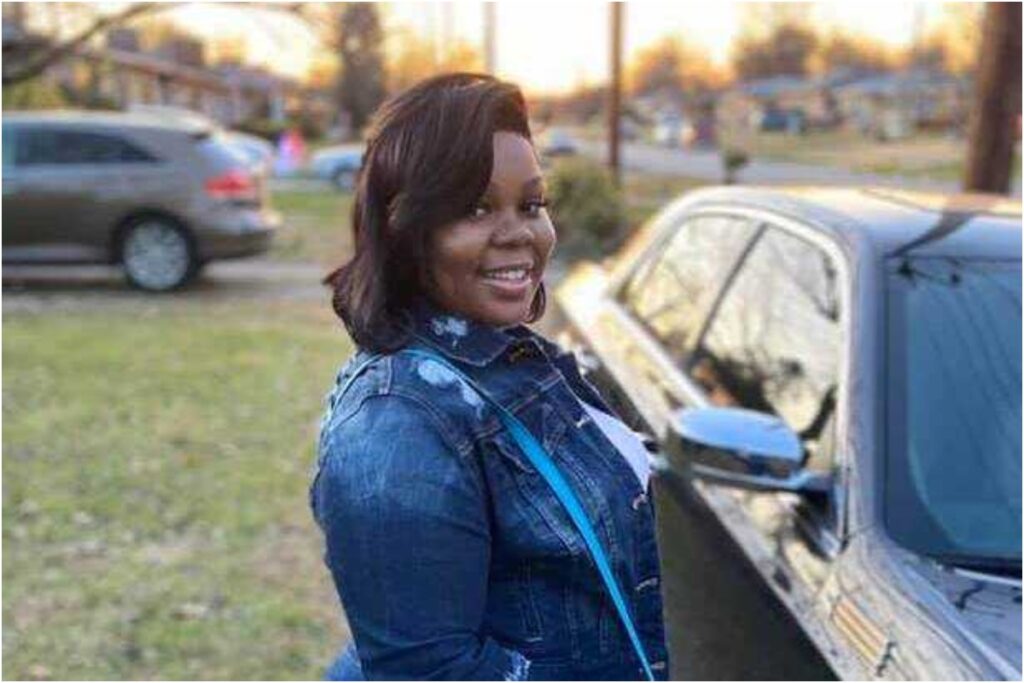
DOJ Seeks to Drop Charges
The controversy follows a recent filing by the U.S. Department of Justice requesting that a federal court dismiss charges against former officers Joshua Jaynes and Kyle Meany.
The two had been charged in 2022 with falsifying information used to obtain a search warrant for Taylor’s apartment, as well as related civil rights violations. Prosecutors previously alleged that inaccurate or misleading details in the warrant application played a key role in the events leading up to the raid.
Defense attorneys welcomed the DOJ’s latest move. Lawyers for both officers said their clients are relieved and hope to move forward with their lives if the charges are formally dismissed.
Family Pushes Back
Palmer, however, rejected the notion that the case should be closed, arguing that her daughter—who was killed in her own home—deserves justice.
“She deserved to live her life… she committed no crime. She wasn’t even a target of the investigation,” Palmer said, adding that there was “no legal reason” for officers to be at the apartment.
Taylor’s death on March 13, 2020, became a national flashpoint in debates over policing, use of force, and racial justice. Officers executing a late-night warrant forcibly entered the apartment, prompting Taylor’s boyfriend, Kenneth Walker, to fire a single shot, believing intruders were breaking in. Police responded with multiple rounds of gunfire, striking Taylor.
Ongoing Legal and Public Debate
The DOJ’s decision to seek dismissal underscores the legal complexities surrounding the case, particularly questions about intent, evidentiary standards, and the burden of proof required in federal civil rights prosecutions.
Legal experts note that while civil rights charges can be difficult to sustain in court, their dismissal in such a high-profile case is likely to intensify scrutiny over federal oversight of local law enforcement.
For Palmer and her family, however, the issue remains deeply personal.
“For me, every day since that day has been March the 13th,” she said. “There’s no putting it behind.”
The court has yet to rule on the DOJ’s request. If granted, it would mark a significant turning point in one of the most closely watched police accountability cases in recent U.S. history.