
An Arkansas woman has been arrested and charged with felony theft after allegedly refusing to return nearly $20,000 that was mistakenly deposited into her account due to a payroll error, according to authorities.
Rene Nichole Coleman, 50, faces a Class C felony charge of theft of property valued between $5,000 and $25,000. A finding of probable cause from David Boling on Monday supported the charge.
According to an affidavit filed in the case, the incident stems from a payroll error that occurred on May 10, 2025, at a business in Jonesboro. Coleman, who was employed at the time, was reportedly paid at an hourly rate of $1,650 instead of her standard $16.50 rate during a 12-hour shift.
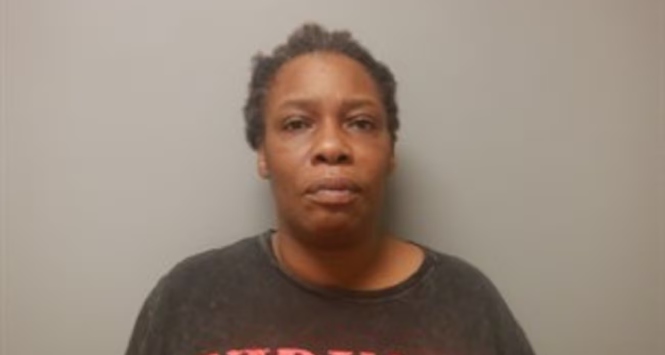
The error resulted in an overpayment totaling $19,388.
The company’s CEO reported the discrepancy on Aug. 12, 2025, stating that Coleman had been notified of the mistake but declined to return the funds. Supporting financial records and email correspondence were later submitted to investigators as part of the complaint.
Law enforcement officials said a detective contacted Coleman, who initially agreed to meet with police but did not appear as scheduled. A warrant was subsequently issued for her arrest.
Authorities confirmed that Coleman was later taken into custody in connection with the outstanding warrant. Her bond has been set at $15,000, either in cash or surety.
She is scheduled to appear in court for arraignment on May 18.
Legal experts note that cases involving accidental overpayments can still lead to criminal charges if prosecutors believe there was intent to unlawfully retain funds after the error was identified and communicated.