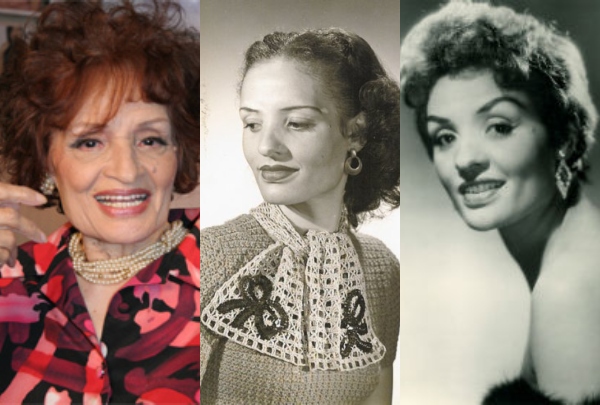
At a time when the fashion industry openly rejected Black women, Ophelia DeVore did something radical—she built her own system to ensure they would be seen.
In the 1940s, during an era of segregation in the United States, DeVore founded the Grace Del Marco Agency in Harlem, widely recognized as the first major modeling agency and training school created specifically to represent and develop Black women in fashion, advertising, and television.
Her work not only challenged racial barriers but also helped launch the careers of some of the most influential Black entertainers of the 20th century.
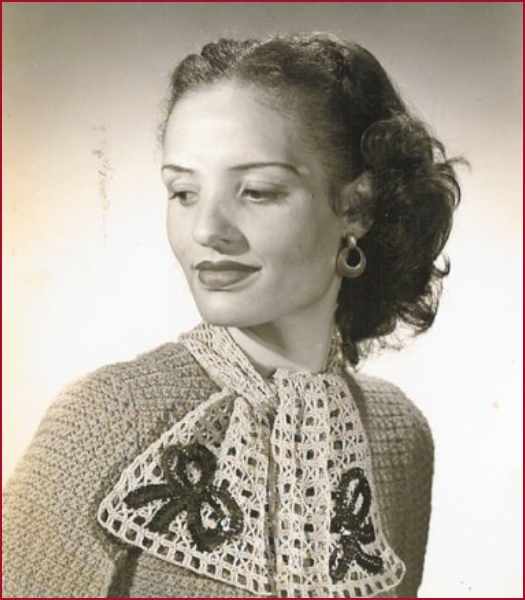
Creating Opportunity Where None Existed
During the mid-20th century, mainstream modeling agencies largely refused to represent Black women, and the fashion industry offered few pathways for them to succeed.
Rather than waiting for acceptance, DeVore established her own platform.
At the Grace Del Marco Agency, she trained aspiring models in more than runway skills. Her curriculum prioritized posture, confidence, voice control, and professional presence, teaching women how to command attention in spaces where they were often excluded.
Her mission extended beyond modeling—it was about empowerment and professional development.
Launching Iconic Careers
DeVore’s influence is reflected in the remarkable roster of women who trained under her.
Among them was Cicely Tyson, whom DeVore discovered at a fashion show and introduced to modeling, a step that eventually led to Tyson’s legendary acting career.
Diahann Carroll also trained with DeVore as a teenager before becoming a Broadway and television pioneer.
Other notable figures who passed through the agency include:
- Naomi Sims, who later became one of the first Black supermodels to appear on major magazine covers
- Dorothy Dandridge, who refined her stage presence before achieving Hollywood fame
- Helen Williams, who found success on European runways after facing barriers in the United States
Through her mentorship, DeVore helped transform individual careers while reshaping perceptions of Black beauty in mainstream culture.
A Lasting Yet Often Overlooked Legacy
Despite her groundbreaking contributions, DeVore remained largely behind the scenes and received limited public recognition during her lifetime.
Historians and cultural commentators now view her work as foundational to the modern presence of Black women in fashion, media, and entertainment.
Her agency helped redefine industry standards and opened doors for generations of models and performers who followed.
As Black History Month highlights pioneers who reshaped American society, DeVore’s story stands as a reminder that progress often begins with those who build opportunities when none exist.